Best Ultralight Tent Fabric: DCF vs Silnylon vs Silpoly
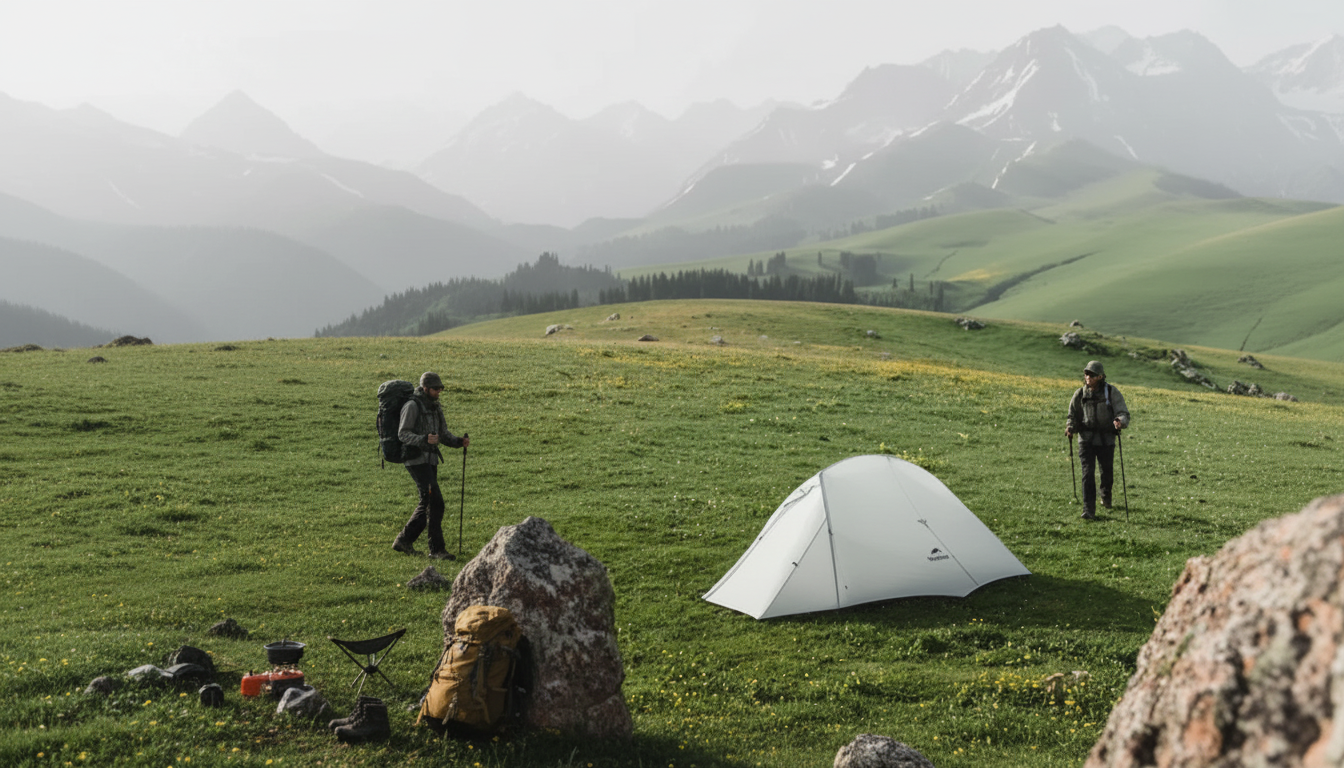
What is the best material for ultralight tents?
The best material for ultralight tents depends on how you balance weight, durability, weather protection, and cost, but Dyneema Composite Fabric (DCF) is often the top pick for going truly ultralight. DCF is exceptionally light for its strength and is naturally waterproof, which helps keep packed weight down because the fabric doesn’t “wet out” the way some woven textiles can.
That said, DCF isn’t automatically “best” for everyone. It’s typically more expensive, can be noisier, and may be more prone to abrasion damage if dragged over rock or used on rough ground without a footprint. For many hikers, the “best” material is the one that holds up to their terrain and habits without forcing unnecessary ounces elsewhere in the kit.
How DCF compares to common ultralight alternatives
Silnylon (silicone-coated nylon) is a longtime favorite because it packs small, costs less, and handles abrasion well for its weight. The trade-off is that it can absorb a bit of water and may sag when wet, which can require re-tensioning in rain or overnight humidity.
Silpoly (silicone-coated polyester) is popular for staying taut in damp conditions. It generally stretches less and resists water absorption better than silnylon, making it a strong choice for consistent pitch quality. It can be slightly less tear-resistant than comparable nylon deniers, so fabric weight and weave matter.
Quick guidance for choosing the “best” tent material
If your priority is the lowest possible trail weight and you’re careful with site selection, DCF is hard to beat. If you want a more budget-friendly fabric that still performs well across many conditions, silpoly or silnylon can be the smarter everyday choice—especially for frequent use on abrasive surfaces.
For a deeper breakdown of materials, pros/cons, and how they affect real-world performance, see the full guide: https://spiritine.com/what-is-the-best-material-for-ultralight-tents/.
FAQ
How do I choose between silnylon and silpoly for an ultralight tent?
Pick silpoly if you want a pitch that stays tighter in rain and humidity with less overnight sag. Choose silnylon if you prioritize abrasion tolerance and value, and you don’t mind occasionally re-tensioning your guylines in wet conditions.















Leave a comment