Dog Weight Loss Plan: Portions, Treats, and Easy Moves
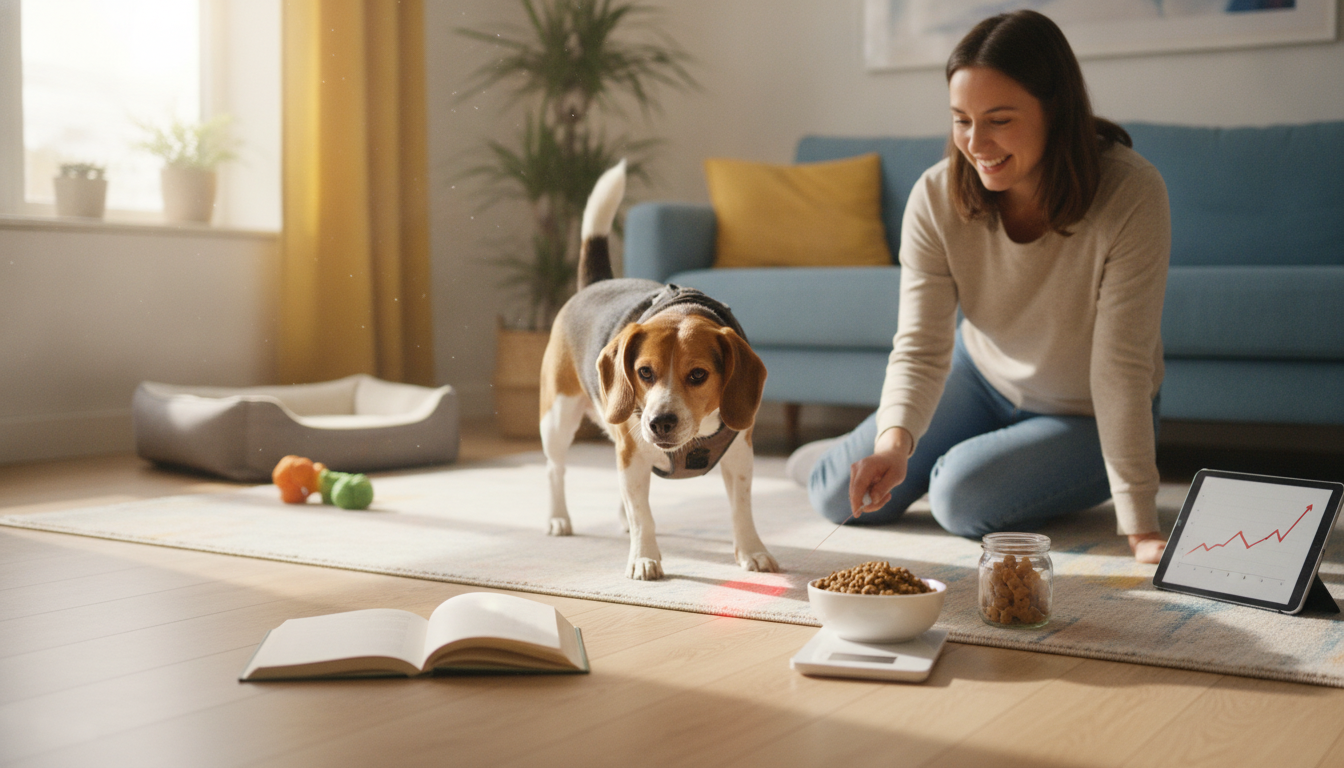
Wagging Off the Extra Pounds: A Practical Plan for Helping an Overweight Dog
Extra weight can quietly affect a dog’s joints, heart, breathing, and everyday energy. A safe weight-loss plan doesn’t rely on extreme dieting—it combines a clear starting point, portion control, smarter treats, consistent movement, and simple tracking. The goal is steady progress that protects muscle, supports mobility, and keeps mealtimes enjoyable.
How to Tell if a Dog Is Overweight (Beyond the Number on the Scale)
The scale is helpful, but it doesn’t tell the whole story—especially if your dog’s frame, coat, or muscle mass changes. A simple body check often gives the clearest picture.
- Do a body condition check: ribs should be easy to feel under a thin layer of fat; a waist should be visible from above; and the tummy should tuck up from the side.
- Watch daily-life clues: slower walks, reluctance to jump, heavy panting, decreased stamina, or needing more rest can all point to extra strain.
- Compare photos over time: take quick snapshots from the side and from above every couple of weeks. Visual trends can be more revealing than a single weigh-in.
- Rule out look-alikes: thick coats, bloating, pregnancy, or certain medical issues can change body shape and should be checked by a veterinarian.
Safety First: When a Vet Check Matters Before Weight Loss
Most dogs benefit from weight loss, but the safest plan starts with a quick medical reality-check—especially if anything about the weight gain seems “off.”
- Schedule a check if weight gain is sudden, appetite changed, or energy dropped noticeably. Conditions like hypothyroidism or Cushing’s disease can contribute.
- Ask for a target range and pace: rapid loss can be risky, especially for small dogs, seniors, or dogs with chronic conditions.
- Review medications and supplements: some can affect appetite, thirst, or activity tolerance.
- Discuss mobility support: joint pain can sabotage exercise plans. Simple changes like ramps, low-impact routines, or pain management can keep movement comfortable and consistent.
For additional veterinary guidance on pet obesity basics, see the American Veterinary Medical Association (AVMA) overview.
Calories Without the Guesswork: Build a Simple Feeding Baseline
The most effective weight-loss plans are the most repeatable. Build a baseline you can stick with, then adjust gradually based on results.
- Measure accurately: use a gram scale for kibble when possible, or a proper measuring cup. Scoops and “eyeballing” often creep up over time.
- Feed scheduled meals: avoid free-feeding so intake is trackable and grazing doesn’t blur the numbers.
- Get everyone on one plan: define who feeds, when, and how much to prevent accidental double meals.
- Change slowly: reduce portions in small steps, then reassess after 2–3 weeks based on weight trend and hunger behavior.
Quick Home Tracking Checklist (Weekly)
| What to track | How to do it | What to look for |
|---|---|---|
| Body condition score cues | Feel ribs, check waist and tuck | Ribs easier to feel; waist more defined |
| Weight trend | Same scale, same time of day | Slow, steady decrease rather than big swings |
| Treat count | Write down every treat/chew | Treats stay within a fixed daily limit |
| Activity minutes | Log walks/play time | Consistency improves before intensity increases |
| Energy and comfort | Note panting, limping, reluctance | Improved stamina; fewer signs of strain |
Treats, Chews, and “Just a Little Bite”: The Hidden Weight-Gain Drivers
Many dogs don’t gain weight because of meals alone. Weight creeps on through “extras” that don’t feel like food—especially when multiple people share the fun parts.
- Set a treat budget: keep treats as a small portion of daily calories and plan them in advance.
- Swap for lighter options: use tiny training treats, smaller pieces, or veterinarian-approved fruits/vegetables where appropriate.
- Avoid calorie stacking: chews, dental sticks, table scraps, and lick mats can add up quickly even when meals are reduced.
- Use non-food rewards: sniff breaks, short games, praise, brushing, or a favorite toy can replace some treat moments.
For helpful background and statistics on pet obesity, the Association for Pet Obesity Prevention (APOP) is a solid reference point.
Movement That Works: A Practical Exercise Progression
Exercise should feel doable, not punishing. Consistency beats intensity, especially when joints are already carrying extra load.
Common Plateaus and What to Adjust (Without Overcorrecting)
For nutrition framework guidance used internationally by veterinary professionals, review the WSAVA Global Nutrition Guidelines.
A Guided Plan for Busy Pet Parents
Helpful Resources (Shop)
- Wagging Off the Extra Pounds – A Practical Dog Weight Loss eBook for Pet Parents Wondering what to do if my dog is overweight
- Waterproof Anti-Theft Laptop Backpack with USB Charging Port – Fits 15.6″ Laptop (useful for hands-free walks, carrying water, poop bags, and a small towel)
FAQ
What is a safe rate of weight loss for a dog?
A gradual pace is safest for most dogs, often around 1% to 2% of body weight per week, but the right target depends on size, age, and health. A veterinarian can help set a goal that protects muscle and avoids risky rapid loss.
How can treats be included without stopping progress?
Set a daily treat budget and stick to tiny, low-calorie training pieces while counting chews, dental sticks, and lick mats as treats too. Consistency across everyone in the household matters more than the “perfect” treat choice.
Why is an overweight dog always hungry?
Hunger can be learned (treat routines), driven by calorie-dense foods that don’t satisfy, or linked to medical issues. If hunger is intense or sudden, a veterinarian can rule out health causes and recommend higher-fiber or weight-management diets that improve fullness.
















Leave a comment