Electric Toothbrush for Bleeding Gums: Does It Help?

Will an electric toothbrush help bleeding gums?
Often, yes—an electric toothbrush can help reduce bleeding gums when the bleeding is caused by plaque buildup and early gum inflammation (gingivitis). Electric models tend to remove plaque more consistently than manual brushing, especially along the gumline, and many include timers and pressure sensors that make it easier to brush thoroughly without scrubbing too hard.
How an electric toothbrush can reduce gum bleeding
Bleeding gums commonly happen when plaque irritates gum tissue. An electric toothbrush can help by:
- Improving plaque removal: Oscillating/rotating or sonic motions can clean more effectively around the gumline.
- Encouraging gentler brushing: Pressure sensors and steady motion reduce the urge to “scrub,” which can worsen irritation.
- Supporting better habits: Built-in timers and quadrant pacing help ensure adequate brushing time.
For best results, use a soft-bristled brush head, angle it slightly toward the gumline, and let the brush do the work. Flossing (or using interdental brushes) is still important because a toothbrush can’t fully clean between teeth.
When bleeding gums may not improve with an electric toothbrush
If bleeding persists despite gentle, consistent brushing and daily interdental cleaning, an electric toothbrush alone may not be enough. Ongoing bleeding can be linked to issues like established gum disease, tartar buildup that needs professional removal, hormonal changes, certain medications, vitamin deficiencies, or an ill-fitting dental appliance. If bleeding lasts longer than about 1–2 weeks, worsens, or comes with swelling, pain, loose teeth, or bad breath that won’t go away, a dental checkup is the safest next step.
Choosing an electric toothbrush for sensitive, bleeding gums
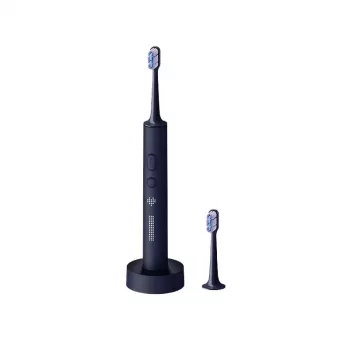
Look for a model with a pressure sensor, sensitive mode, and soft brush head. Replace the brush head every 3 months (or sooner if bristles splay) to keep cleaning effective and gentle.
Learn more
For a deeper look at causes, brushing technique, and what to do if bleeding continues, visit the full guide: https://spiritine.com/will-an-electric-toothbrush-help-bleeding-gums/.
FAQ
How long does it take for bleeding gums to stop after improving oral hygiene?
Mild bleeding from gingivitis often improves within 7–14 days of consistent gentle brushing and daily flossing/interdental cleaning. If it doesn’t improve in that window, schedule a dental evaluation.














Leave a comment