Prada Loafers: Real Leather or Mixed Materials?
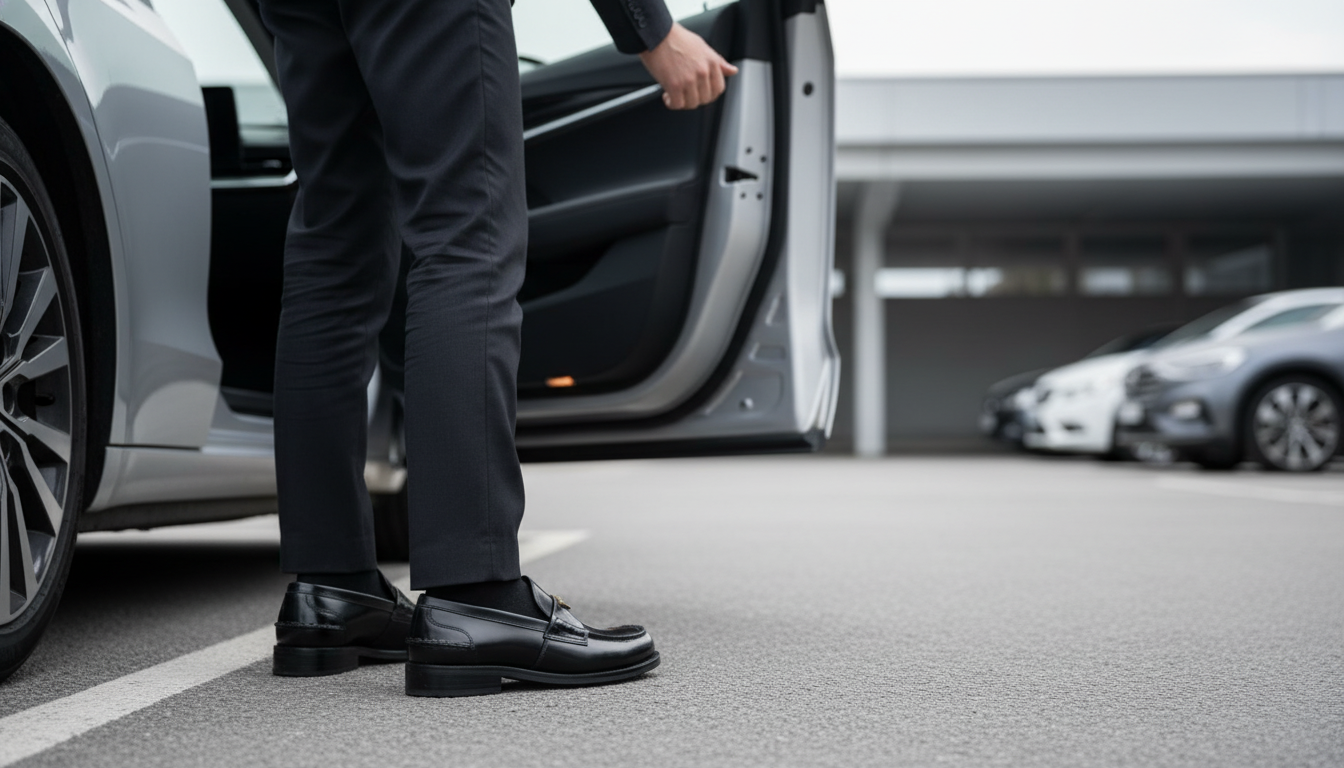
Are Prada loafers real leather?
Many Prada loafers are made with genuine leather uppers—typically calfskin, brushed leather, or patent leather—because leather is central to the brand’s classic finish and long-wearing structure. That said, “Prada loafers” isn’t one single product: materials vary by style, season, and collection. Some models may incorporate alternative materials (such as fabric uppers, rubberized finishes, or technical textiles), and others may pair leather with rubber lug soles or mixed-material details.
What “real leather” usually means for Prada loafers
When a Prada loafer is listed as leather, it generally indicates an animal-hide upper (most commonly calf). You’ll often see specific descriptors like “brushed leather,” “spazzolato,” “calfskin,” or “patent leather.” These terms point to the leather type or finish rather than a synthetic substitute.
How to confirm the material on a specific pair
The most reliable way to confirm whether a particular Prada loafer is real leather is to check the official product description or the inside labeling on the shoe (material stamps can vary). Retail listings should state the upper material and sometimes the lining and sole composition as well. If you’re shopping secondhand, ask for clear photos of the interior stamp, the insole branding, and the model information so you can match it to known specifications.
Why some pairs might not be all-leather
Even when the upper is real leather, other components may not be. Lug soles are often rubber, and some styles use textile linings or composite materials for structure and comfort. Limited-edition or fashion-forward releases can also introduce non-leather uppers.
For a deeper breakdown of materials and what to look for when verifying a specific model, visit the complete guide here: https://spiritine.com/are-prada-loafers-real-leather/.
FAQ
How can you tell if Prada loafers are authentic?
Check that the model information, branding placement, stitching quality, and materials match official listings, and verify the seller’s proof of purchase when possible. Clear interior photos (logo stamp, size marking, and lining) and close-ups of hardware help spot inconsistencies common in replicas.














Leave a comment