Planar IEM Fit Guide: Shell, Nozzle Size, Tips
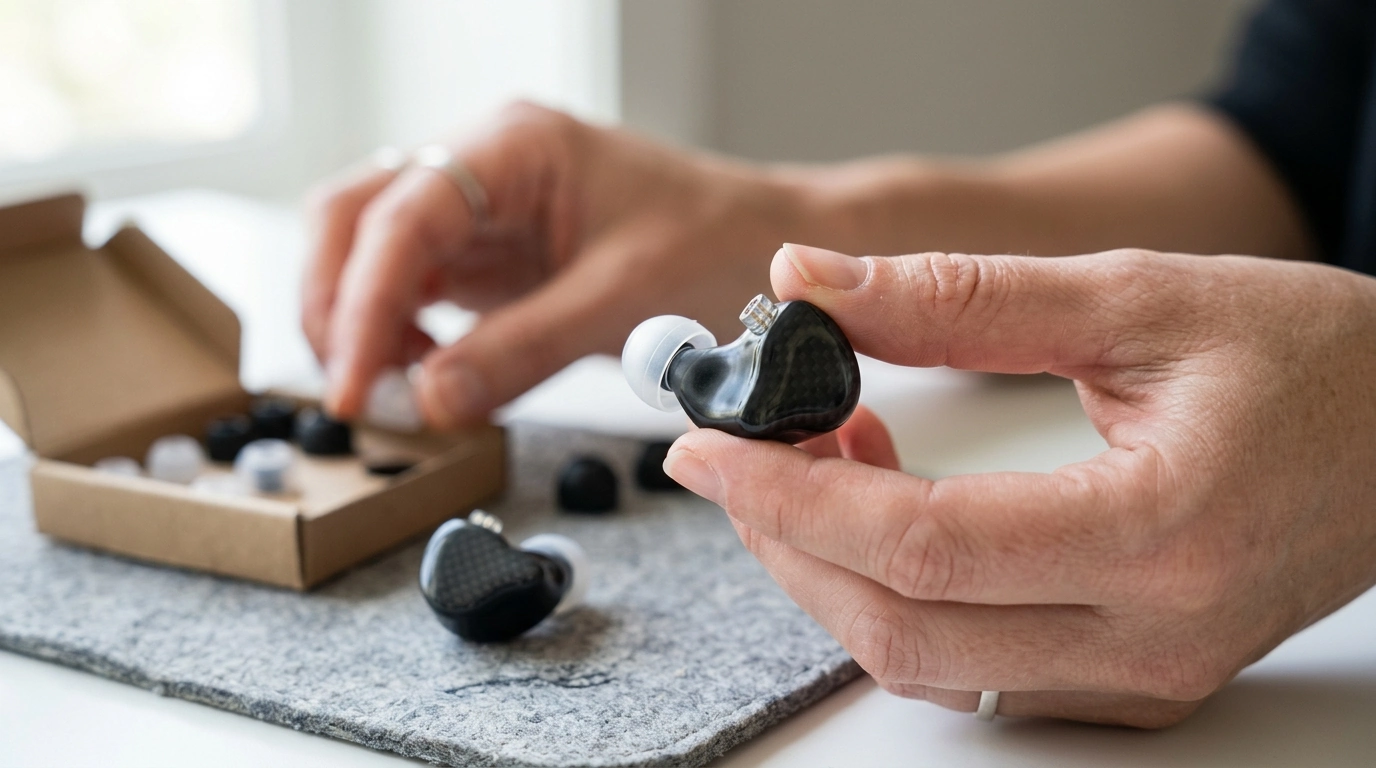
What should I look for in the fit and nozzle size of planar in-ear earphones for comfort and seal?
Comfort and seal on planar IEMs come down to two things: how the shell sits in your outer ear (concha) and how the nozzle interfaces with your ear canal. A great-sounding planar set can feel “wrong” if either of those is off, so it’s worth checking fit details before buying.
Shell shape: stable contact without pressure points
Look for a housing that fills the concha enough to feel secure, but not so large that it creates hot spots on the tragus/antihelix. If the shell is too big, you’ll often feel soreness after 20–30 minutes; too small, and the IEM may rotate, breaking the seal when you talk or chew. A good fit stays put with light contact—no need to “jam” it in.
Nozzle diameter: match your tips to your ears
Nozzle size matters because it determines which ear tips fit properly and how much pressure the tip applies. A thicker nozzle can improve stability and seal for some ears, but it can also feel intrusive if your canals run narrow. A slimmer nozzle may feel easier to insert, yet it can be more tip-dependent to maintain a consistent seal. If you’re between sizes, prioritize the nozzle that lets you use tips that seal without discomfort.
Nozzle length and angle: depth and alignment are everything
A nozzle that’s too short may not reach a stable sealing point, making bass inconsistent. Too long can cause canal pressure. Also check nozzle angle: a well-angled nozzle lines up naturally with your canal, reducing the need to twist or force insertion. The best sign you’ve got it right is even bass response in both ears and minimal occlusion “thump” when walking.
Tip selection: the final comfort-and-seal adjuster
Even with the right nozzle, tips do the sealing. If comfort is the priority, start with soft silicone in a size that seals without stretching the canal. If you struggle with seal, foam can help, but it can add warmth and reduce perceived treble energy for some listeners.
For a deeper breakdown of planar IEM fit considerations (including shell design, faceplates, and power needs), see the full guide here: https://spiritine.com/guide-planar-iems-wood-faceplates-fit-sound-power/.
FAQ
Do planar IEMs usually need an amplifier to sound their best?
Many planar IEMs benefit from a cleaner, higher-current source, especially if sensitivity is low. You don’t always need a dedicated amp, but a capable dongle DAC/amp often improves dynamics and bass control at the same volume.















Leave a comment