Planar IEMs with Wood Faceplates: Fit, Sound & Power
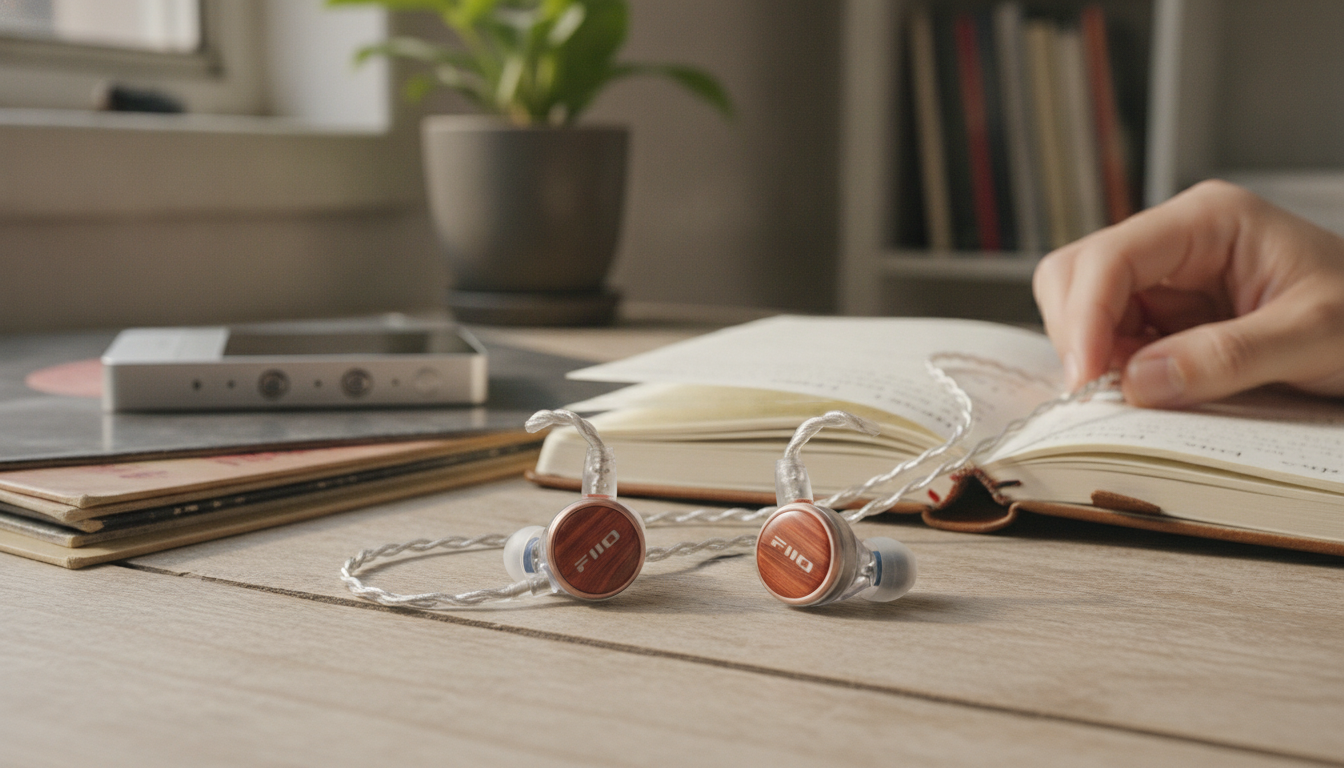
HiFi Planar In‑Ear Earphones with Wood Faceplate & Detachable Cable: What to Expect and Who They Suit
Planar in‑ear earphones are known for fast transients, clean separation, and a “tight” sense of control across the frequency range. Pairing a planar driver with a wood faceplate adds a handcrafted aesthetic, while a detachable cable keeps the setup modular for balanced connections, replacements, and upgrades. This guide breaks down real‑world expectations—fit, sound, power needs, and daily use—so it’s easier to decide if this style of IEM matches listening habits and gear.
Planar in‑ears in plain terms
Planar magnetic drivers use an ultra-thin diaphragm that’s driven more evenly across its surface than many traditional designs. When implemented well, that often translates into quick attack, low distortion, and a “sorted out” presentation even when the mix gets busy.
- Common strengths: crisp detail retrieval, stable imaging, and layered separation in dense tracks.
- Common tradeoffs: may need more volume (and sometimes more power) than ultra‑sensitive dynamic-driver IEMs.
- Seal still rules bass: even a great planar driver can sound thin if the fit leaks.
- Why it matters: planar bass is often perceived as tight and textured rather than boomy, so leaks can make it feel lean instead of punchy.
If you’re comparing sources or specs, it helps to understand how loudness is described; sound pressure level (SPL) is commonly used to quantify volume in audio measurements (Sound pressure level (SPL)).
Wood faceplate: more than just looks
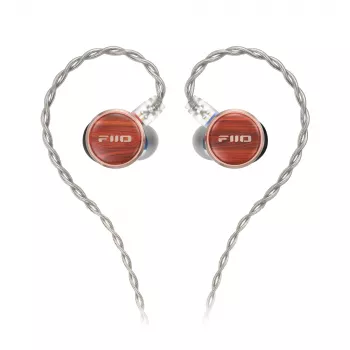
A wood faceplate is primarily an aesthetic and tactile upgrade, but it also changes the everyday feel of ownership. Each piece of wood has unique grain, so two units rarely look identical—more like a personal accessory than a purely utilitarian gadget.
- Craftsmanship and uniqueness: wood grain patterns vary from unit to unit, which many listeners find more “premium” than uniform plastic.
- Comfort still depends on geometry: shell shape, nozzle length, and nozzle angle matter more than the faceplate material.
- Care considerations: avoid prolonged moisture exposure; wipe down after workouts or humid commutes.
- Build check: a secure seam between faceplate and shell helps reduce creaks and potential air leaks over time.
Detachable cable advantages (and what to verify)
Detachable cables are one of the biggest day-to-day quality-of-life features on modern IEMs. Most failures happen at stress points near connectors, and a replaceable cable can extend the usable life of the earphones dramatically.
- Replaceability: when a cable fails, you replace the cable—not the entire IEM.
- Flexibility: easier switching between 3.5 mm single‑ended and 4.4 mm balanced setups (as long as the cable supports the plug you want).
- Comfort tuning: cable weight, ear-hook stiffness, and microphonics can change how comfortable an IEM feels on long sessions.
- Verify before buying extras: confirm connector type (commonly 2‑pin or MMCX) and ensure a secure, correct fit to prevent intermittent audio.
Sound profile expectations for planar IEMs
Planar IEM tuning varies by model, but there are a few consistent “vibes” many listeners notice. Think control and clarity first, with bass and treble highly dependent on seal, tip choice, and insertion depth.
- Bass: clean, well-defined, and easy to follow note-by-note; sub‑bass presence depends heavily on seal and tips.
- Mids: vocals often come through clearly with low haze; if you’re sensitive, pay attention to upper‑mid energy that can sound shouty.
- Treble: airy and articulate when tuned well; perceived brightness shifts a lot with tip material and insertion depth.
- Soundstage & imaging: “stage size” depends on tuning, but precise placement and separation are frequent highlights.
Quick listening checklist
| Track element | What to listen for | What it can indicate |
|---|---|---|
| Kick drum + bassline | Impact vs. rumble; bass notes staying distinct | Seal quality; bass tuning; driver control |
| Female vocals | Presence without glare; sibilance on “s” sounds | Upper‑mid/treble balance; tip choice |
| Cymbals/hi-hats | Shimmer vs. splash; decay length | Treble smoothness; resonance control |
| Busy chorus | Instrument separation; no smearing | Planar speed; imaging; source quality |
Fit, tips, and isolation: where the performance is won or lost
Power and source pairing
For a quick refresher on how loudness relates to decibels, see Audio power and decibels (basics). And for protecting hearing during longer sessions, follow guidance like the CDC’s safe listening recommendations (Headphones and hearing: safe listening).
Everyday durability and maintenance
Who this style is best for
Product snapshot: HiFi Planar In‑Ear Earphones with Wood Faceplate & Detachable Cable
At-a-glance details
| Item | Details |
|---|---|
| Model | HiFi Planar In‑Ear Earphones with Wood Faceplate & Detachable Cable |
| Price | 136.01 USD |
| Availability | In stock |
Other in-stock picks that pair well with a portable routine
- Waterproof Anti-Theft Laptop Backpack with USB Charging Port – Fits 15.6″ Laptop (helpful for commuting with a DAC, cables, and a small case)
- Your Daily Outfit Shortcut: Time-Saving Outfit Combinations for Effortless Style (a quick-read add-on for building a streamlined daily carry and wardrobe routine)
- Creative Writing Exercises eBook | Creative Writing Exercises for Writers, Storytelling Prompts, Character & Plot Development Guide (a quiet-time companion for listening sessions and focus blocks)
FAQ
Do planar in‑ear earphones need an amplifier?
Many will play from phones, but they often benefit from a capable dongle DAC/amp that provides extra headroom for cleaner dynamics and bass control. Choose a low-noise source with adequate output so you don’t have to run volume near maximum.
Will a detachable cable change the sound?
Most audible differences come from fit, ear tips, and the source rather than the cable itself. Cable swaps usually affect comfort, durability, and connection type, with sound changes typically subtle unless the original cable is faulty or poorly matched.
How should wood faceplates be cared for?
Wipe them gently with a dry microfiber cloth and avoid solvents, prolonged moisture, and extreme heat or direct sun. Storing the earphones in a case between uses helps protect the finish over time.














Leave a comment