Best Affordable Gaming Mice: Budget Picks & Buying Tips
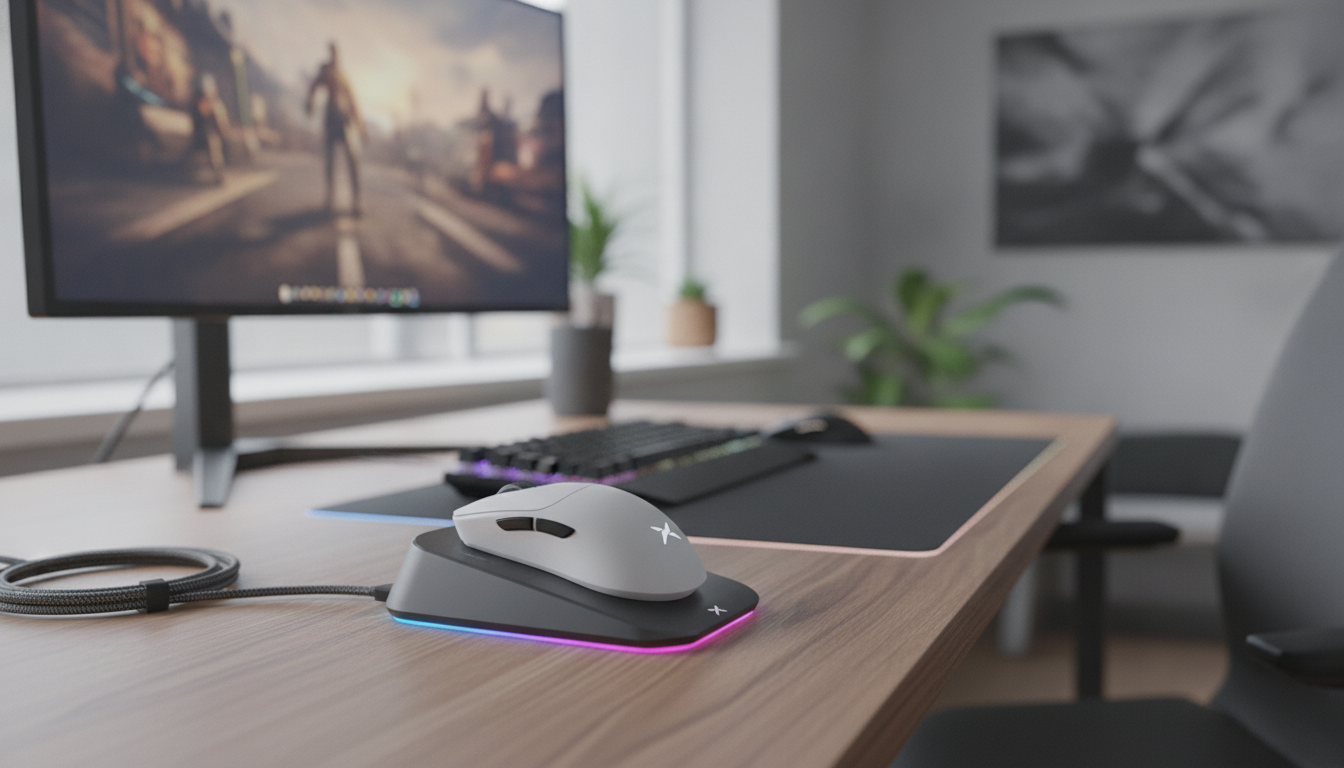
What are the best affordable gaming mouses?
The best affordable gaming mouses balance a reliable sensor, comfortable shape, and low-latency performance without paying premium-brand prices. For most players, the “sweet spot” is a lightweight wired or wireless mouse with adjustable DPI, dependable switches, and software that isn’t mandatory just to save settings.
Start by choosing a shape that fits your grip: palm grips usually prefer an ergonomic right-handed curve, while claw and fingertip grips often do better with a lower-profile, symmetrical shell. Next, prioritize sensor consistency (smooth tracking and no random acceleration) and a polling rate that matches your setup. Finally, look for practical extras—onboard memory, grippy side texture, and a flexible cable (or a stable 2.4GHz wireless connection) can matter more than flashy lighting.
Top picks by budget-friendly category
Best all-around value: A midweight mouse with 6–8 programmable buttons, solid skates, and onboard profiles is usually the safest buy for mixed gaming and daily use.
Best for FPS on a budget: Aim for a lighter mouse with a clean sensor implementation and crisp main clicks. Fewer buttons is fine if it keeps weight down and improves control.
Best affordable wireless: Look for 2.4GHz wireless (not just Bluetooth) and a battery spec that realistically lasts several days. A charging dock can be a big quality-of-life upgrade if it’s included.
Affordable features worth paying for
Spend for the essentials: stable wireless latency (if wireless), a comfortable shell, and consistent clicks. Skip inflated specs like ultra-high DPI numbers you’ll never use—precision at common sensitivities matters more than a huge maximum.
For a deeper look at a value-focused wireless option—covering setup, DPI, RGB, and dock charging—see this guide: https://spiritine.com/guide-8k-wireless-ergonomic-gaming-mouse-dpi-rgb-dock-setup/.
FAQ
What is the #1 gaming mouse?
There isn’t one universal “#1” because hand size, grip, and game genre change what feels best. The top choice is the one that fits comfortably and delivers consistent tracking and clicks for your playstyle.
What is the best budget mouse for gaming?
The best budget gaming mouse is one with a proven sensor, comfortable shape, and low-latency performance—without paying extra for unnecessary features. Prioritize fit and reliability first, then consider weight, button layout, and whether you want wired or 2.4GHz wireless.















Leave a comment