Nappa Leather Handbags: Pros, Cons, and Care Tips
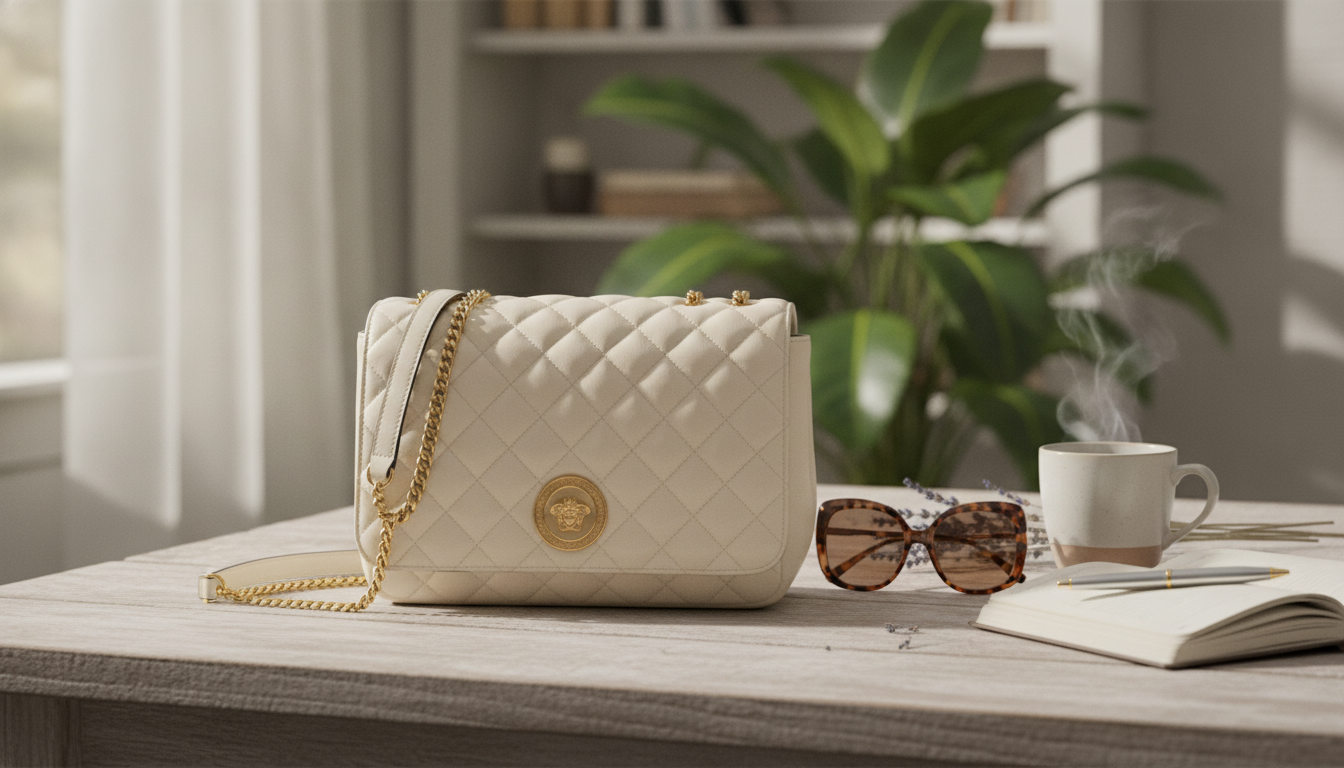
Is nappa leather good for handbags?
Yes—nappa leather is a strong choice for handbags when softness, a smooth finish, and a refined look matter. It’s typically made from high-quality hides and tanned for a supple, “buttery” hand feel that elevates everything from shoulder bags to structured top-handle styles. Because it drapes and molds beautifully, nappa can make a bag feel comfortable against the body while still looking polished.
That said, nappa leather performs best when it’s treated like a premium material. Its soft surface can show wear sooner than heavily coated leathers, especially on light colors and high-contact areas like corners, straps, and flap edges. If the bag will be an everyday workhorse—frequently set on rough surfaces or exposed to rain—expect to do a bit more upkeep.
For longevity, store the bag stuffed to hold its shape, keep it in a dust bag, and avoid prolonged sun exposure that can dry or discolor the leather. Wipe gently with a clean, dry cloth after use, and address spills quickly by blotting (not rubbing). For style notes and practical care pointers on a real nappa bag example, visit this nappa shoulder bag guide.
What to expect from nappa over time
A well-made nappa handbag often develops a subtle, attractive lived-in character. Minor creasing is normal and can add dimension, but scratches and color transfer can happen—especially with pale bags and dark denim. If pristine appearance is the priority, reserve nappa for special occasions or rotate it with a more durable, textured leather.
FAQ
What are the downsides of Nappa leather?
Nappa leather can scratch more easily than heavily finished leathers, and lighter colors may show staining or color transfer. It also benefits from more careful storage and regular gentle cleaning to keep the surface looking smooth.
Is Nappa leather high end?
Nappa is widely considered high end because it’s typically made from quality hides and processed to achieve a notably soft, luxurious feel. The overall “high-end” factor still depends on the bag’s construction, hardware, and brand craftsmanship.













Leave a comment