Versace White Nappa Shoulder Bag: Style & Care Tips
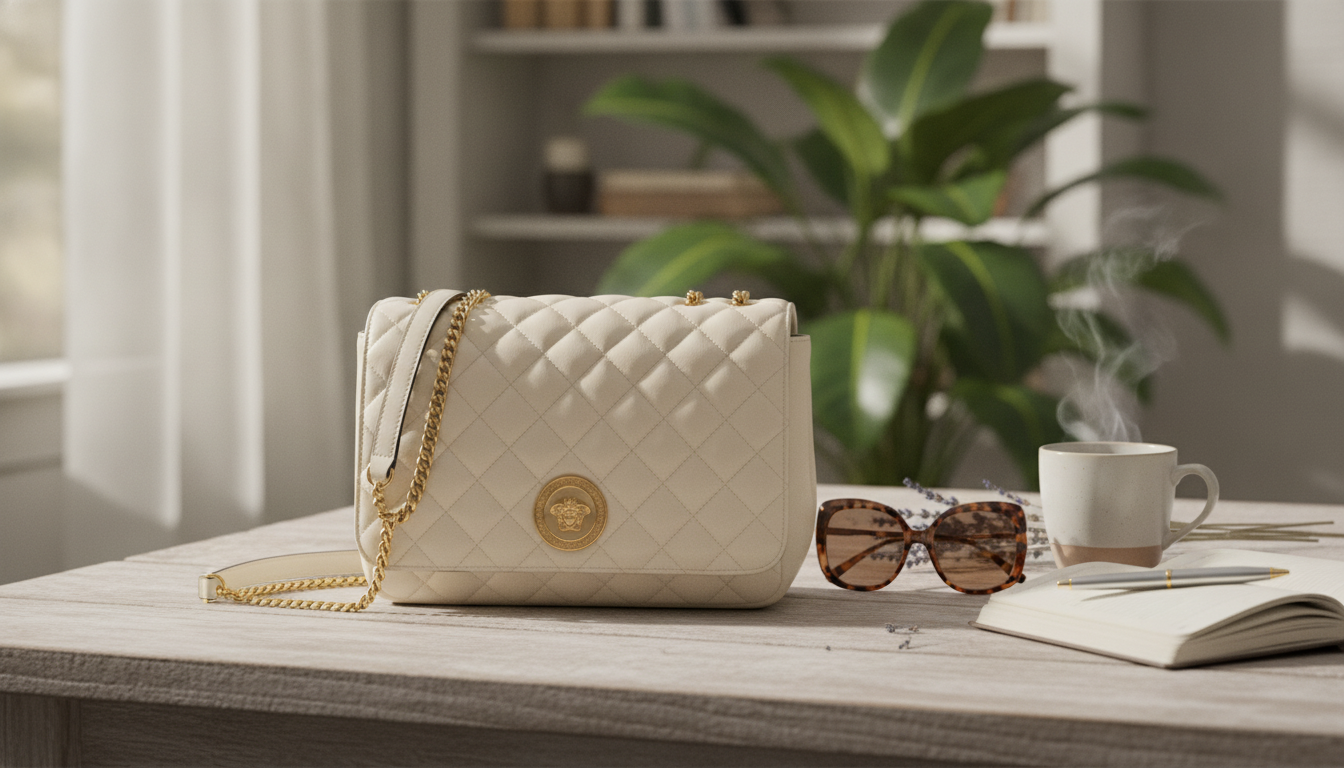
Versace White Nappa Leather Shoulder Bag: Details, Styling, and Care
A white nappa leather shoulder bag brings a clean, polished finish to day-to-night outfits while still feeling soft and luxurious in hand. The appeal is in the contrast: crisp color, supple leather, and a streamlined shape that elevates even the simplest uniform. Below, you’ll find what makes nappa leather distinctive, how a white shoulder bag can work year-round, and the practical care habits that help light leather stay bright and refined. For more guidance, see Women’s Versace Tag Collection: Nappa Leather Bags.
What Makes Nappa Leather Feel Different
Nappa leather is prized for its smooth, supple handfeel and its refined surface. Compared with heavily grained or pebbled leather, nappa tends to feel “buttery” and looks more polished—especially on structured silhouettes where the leather’s clean finish reads as intentional and luxe. For further reading, see Kleio Quilted Nappa Shoulder Bag White.
That softness comes with a tradeoff: nappa can show wear differently than textured leather. Minor scuffs, light scratches, and pressure marks are more visible on a smoother surface, which is why gentle habits often matter more than aggressive cleaning. Rather than scrubbing, focus on prevention and light maintenance—wiping dust away, protecting it from friction, and storing it properly.
Light colors raise the stakes. On white leather, surface marks and color transfer can show sooner, so a little awareness goes a long way: keep it away from high-dye fabrics, avoid setting it on questionable surfaces, and store it in a way that prevents rubbing and creasing.
Versace White Nappa Leather Shoulder Bag at a Glance
If you like accessories that look crisp without feeling stiff, a white shoulder bag in nappa leather hits a sweet spot. The silhouette stays sleek, the color pairs easily, and the soft leather makes it comfortable to carry close to the body.
For daily use, this style is most satisfying when you’re carrying essentials—think phone, cardholder, keys, and a couple of small beauty items—without adding a bulky profile. In warm months it reads fresh and minimal; in cooler months it becomes a bright accent against darker outerwear and knit textures.
Quick checklist for a white nappa shoulder bag
| Feature | What to check | Why it matters |
|---|---|---|
| Leather finish | Even tone, smooth surface, consistent grain | Helps the bag age more uniformly |
| Hardware | Secure closures, smooth zips, no sharp edges | Protects the leather and improves longevity |
| Strap comfort | Drop length, adjustability, edge finishing | Prevents shoulder strain and reduces abrasion |
| Interior | Lining feel, pocket layout, stiffness | Keeps essentials organized and reduces scuffing |
| Base & corners | Reinforcement and structure at stress points | Corners are the first area to show wear |
Styling Ideas That Keep White Leather Looking Intentional
A white bag is most flattering when it looks deliberate—like a finishing touch, not an afterthought. These outfit formulas keep the look clean while reducing the odds of dye transfer or unnecessary scuffing.
Monochrome neutrals
Pair white with cream, stone, oatmeal, and light grey for a tonal look that feels elevated without being loud. A soft knit set, a cream trench, or light suiting lets the bag blend seamlessly while still looking expensive and crisp.
High contrast, minimal accessories
Use the bag as a bright focal point with black tailoring, dark denim, or a deep coat. The trick is restraint: keep other accessories simple (one metal tone, clean shoes, minimal hardware) so the bag reads sharp and purposeful rather than busy.
Soft color blocking
Pastel knits, pale blue denim, and warm beige outerwear complement white without competing. This is especially effective in spring and early fall when you want color, but not a loud print. Choose smoother fabrics near the bag to reduce friction against the leather.
Evening switch-up
For a quick night look, combine an all-black outfit with metallic jewelry and a simple heel, then let the white bag supply the “fresh” element. This works well for dinners and events because the bag brightens the outfit while keeping the overall palette streamlined.
Care and Storage for Light Nappa Leather
White nappa leather stays looking polished when care is consistent and gentle. The goal isn’t to over-clean; it’s to prevent buildup, reduce friction, and address small marks early.
For broader leather care standards and sustainability guidance, the Leather Working Group is a helpful reference point. For everyday handbag cleaning and storage tips, see Good Housekeeping’s handbag care guidance.
When a White Shoulder Bag Fits Best
Shop Related Picks
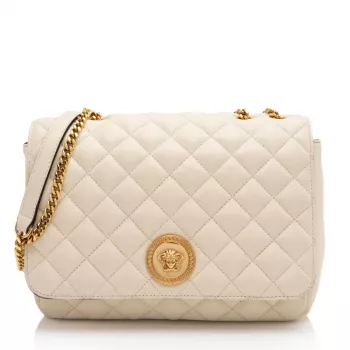
- Versace White Nappa Leather Shoulder Bag ($1381.17)
- Your Daily Outfit Shortcut: Time-Saving Outfit Combinations for Effortless Style ($6.99)
- Waterproof Anti-Theft Laptop Backpack with USB Charging Port – Fits 15.6″ Laptop ($72.51)
FAQ
How can white nappa leather be cleaned without damaging it?
Start by wiping with a clean, dry microfiber cloth to remove dust. For marks, use a cleaner made for smooth leather and patch-test first; avoid alcohol, harsh wipes, and soaking the leather. For set-in stains or widespread discoloration, professional cleaning is the safest option.
How do you prevent color transfer onto a white leather bag?
Avoid pairing it with raw denim or heavily dyed dark fabrics, and minimize rubbing as you walk or sit. Keep the bag on clean surfaces, store it separately in a dust bag, and treat faint dye marks quickly before they set.
Is nappa leather durable enough for everyday use?
Yes—nappa leather can handle everyday wear, but it benefits from gentler handling than heavily textured leather. Rotating your bags, storing it properly, and conditioning lightly when needed help it keep its smooth finish longer.













Leave a comment