Help Your Child Quit the Pacifier: Gentle Weaning Tips
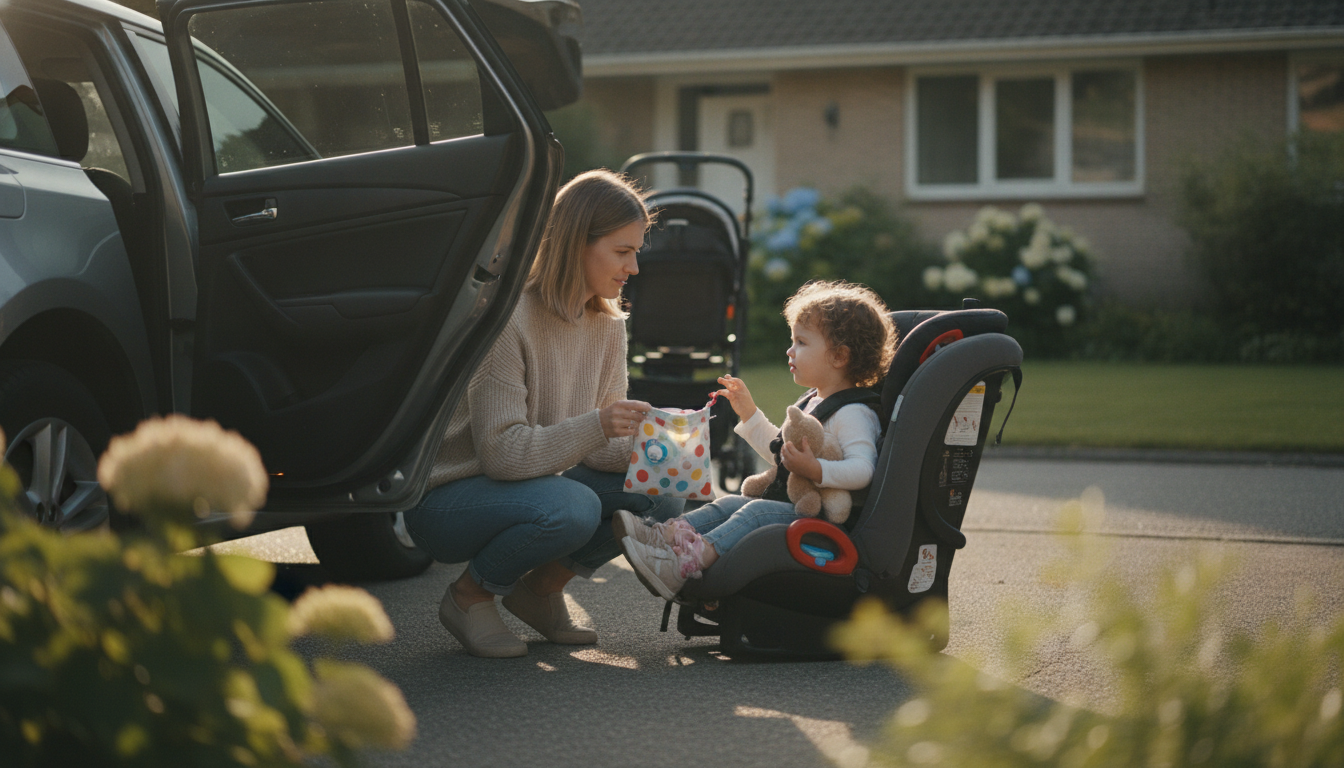
How to get a child to stop using a pacifier?
Most kids give up a pacifier successfully when the plan is simple, consistent, and matched to their age and temperament. Start by choosing a quit date (or a gradual timeline) and getting everyone who cares for your child on the same page so the rules don’t change between home, daycare, and bedtime.
Pick the right approach: gradual or cold turkey
A gradual approach often works well for toddlers: limit the pacifier to specific times (like nap and bedtime), then remove one of those times, and finally stop altogether. Cold turkey can be easier for some families because it avoids repeated negotiations—expect a few tough days, then a noticeable drop in requests.
Make a simple “pacifier rule” and stick to it
Use a short phrase your child can remember, such as “Pacifier stays in the crib,” or “Only for sleep.” When your child asks outside the rule, acknowledge the feeling (“You miss it”) and redirect without arguing. Consistency matters more than long explanations.
Replace the soothing, not just the object
Pacifiers help with calming, so offer substitutes: a special stuffed animal, a chew-safe teether, a cozy blanket (if age-appropriate), or a calming routine like two books and a song. During the day, use movement or sensory activities—blowing bubbles, sipping water, or deep breaths—to bridge cravings.
Use positive motivation and a goodbye ritual
Small rewards can help in the first week: a sticker chart, choosing breakfast, or earning a new bedtime book. Many kids respond to a “bye-bye paci” ritual (a small box, a note, or trading it for a toy) because it gives closure.
Plan for sleep bumps
Expect temporary bedtime delays or night wakings. Keep the routine calm and predictable, add extra comfort, and avoid reintroducing the pacifier “just this once,” which can restart the cycle.
For more step-by-step ideas and age-specific tips, visit Spiritine’s full guide on how to get a child to stop using a pacifier.
FAQ
What can I do if my child only wants the pacifier at night?
Keep it sleep-only for a few nights, then swap it for another comfort object and add extra soothing at bedtime. If your child wakes asking for it, use the same brief reassurance each time and guide them back to the new routine.

















Leave a comment