How Warm Are 100% Wool Coats? What Matters Most

Are 100% wool coats warm?
Answer
Yes—most 100% wool coats are warm, but the real warmth depends less on the “100%” label and more on the coat’s weight, weave, and construction. Wool fibers naturally trap air, creating insulation that helps hold body heat. Unlike many synthetics, wool can also stay insulating when it’s slightly damp, which makes it a dependable choice for cold, changeable weather.
To judge warmth, start with fabric density. A tightly woven wool (like melton or boiled wool) blocks wind better than a looser weave, so it typically feels warmer outdoors. Heavier fabrics generally provide more insulation, while lighter wool coats are better for cool fall days or for layering rather than deep winter.
Construction matters, too. A 100% wool shell with a quality lining can reduce drafts and help the coat slide comfortably over sweaters. Details like a high collar, storm flap, inner cuffs, and a longer length can noticeably improve warmth because they reduce exposed areas and wind entry. Fit also plays a role: an overly oversized coat can let cold air circulate, while a very tight fit may limit layering and reduce trapped warm air.
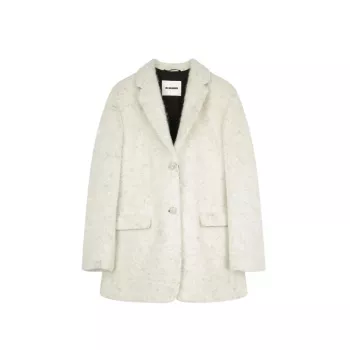
Finally, climate and activity level change what “warm enough” means. For dry, cold days, a dense wool coat can be excellent on its own. In windy or wet conditions, pairing a wool coat with a scarf and a midlayer (like a wool sweater) often makes a bigger difference than switching to a different fiber. For a closer look at how premium wool outerwear fits, drapes, and is cared for, see the full guide here: Jil Sander alpaca-wool short coat fit, style, and care guide.
For How Warm Are 100% Wool Coats? What Matters Most, the best answer depends on fit, material, care instructions, and how the product will be used day to day.
FAQ
How do you keep a wool coat from itching?
Wear a long-sleeve layer with a smooth fabric (like cotton or silk) between your skin and the coat, and avoid direct contact at the neck by adding a scarf. If irritation persists, check the collar and cuffs for scratchy seams and consider a softer knit layer underneath.














Leave a comment