Hi-Res Audio IEMs: Does the Certification Really Matter?
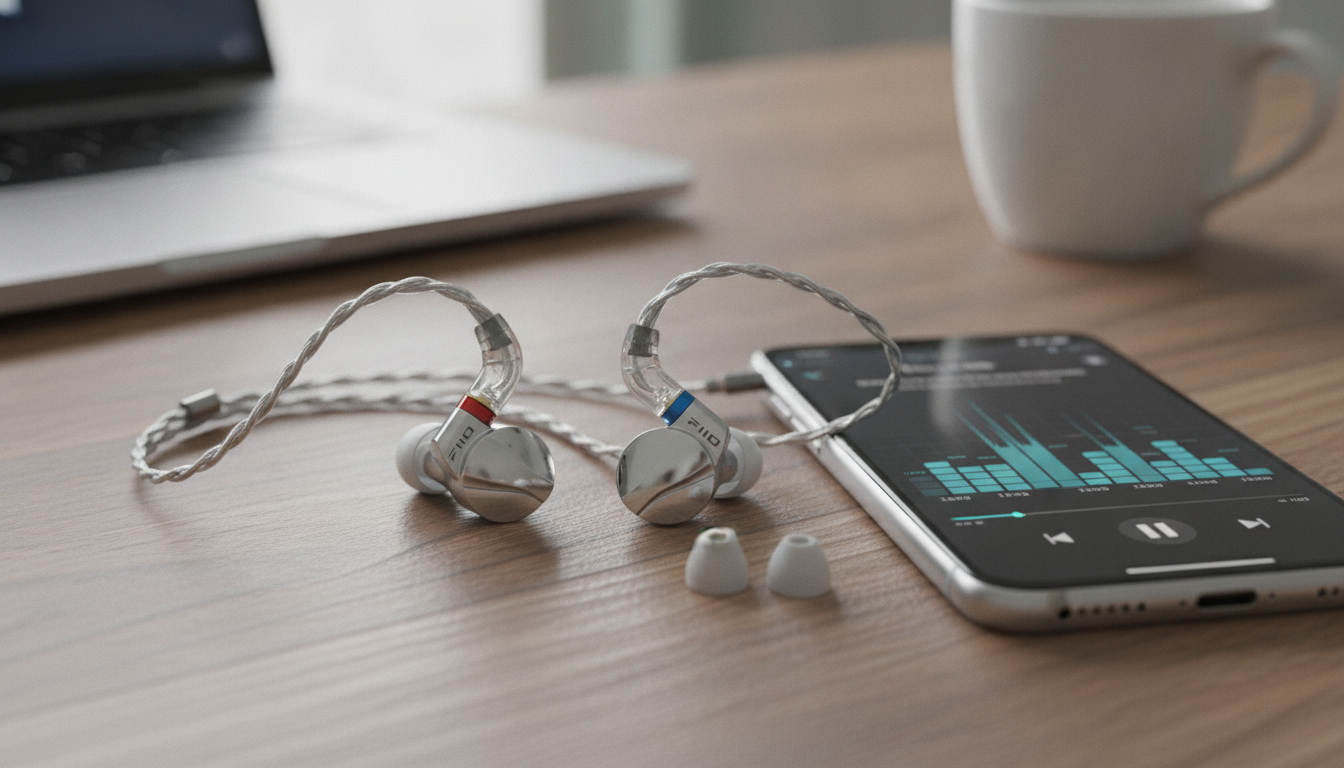
How much does Hi-Res Audio certification matter when choosing in-ear earphones?
Hi-Res Audio certification matters most as a quick sanity check—not as a guarantee of better sound. The label typically means the earphones can reproduce audio up to a higher frequency range (often beyond 20 kHz) and meet certain manufacturer/testing criteria. That can signal competent tuning and driver capability, but it doesn’t automatically translate to clearer vocals, deeper bass, or a wider soundstage in real-world listening.
For many listeners, the biggest bottlenecks aren’t the earphones’ “Hi-Res” badge. Fit and seal drive bass response and isolation; tuning determines whether the sound is warm, bright, or balanced; and the source chain (phone dongle, DAC/amp, streaming settings) controls noise floor, volume headroom, and decoding support. Even with true hi-res files, the audible differences can be subtle compared to getting an IEM that matches personal preferences and sits comfortably for long sessions.
Hi-Res certification becomes more meaningful if you’re pairing IEMs with a capable DAC/amp and routinely use lossless/hi-res content. In that case, the badge can reduce the chance of buying a product with limited bandwidth or poor implementation. Still, it won’t tell you whether the bass is punchy, the mids are forward, or the treble is smooth—those come down to the specific driver, enclosure, and tuning choices.
A practical approach: treat Hi-Res as a “nice-to-have,” then prioritize fit, tuning, driver size/type, and build features like detachable cables. For a deeper look at what actually changes the listening experience—especially if you’re shopping for strong low-end performance—see the main guide here: 13.8mm Hi-Res IEMs with detachable MMCX cable and deep bass.
FAQ
Do I need a special DAC or player to benefit from hi-res music on IEMs?
Not always, but a clean DAC/amp can help with dynamics and reduce hiss, especially with sensitive IEMs. If your phone or dongle struggles to drive your earphones loudly without distortion, an upgrade is more noticeable than the file format.














Leave a comment