13.8mm Hi-Res IEMs: Detachable MMCX Cable & Deep Bass
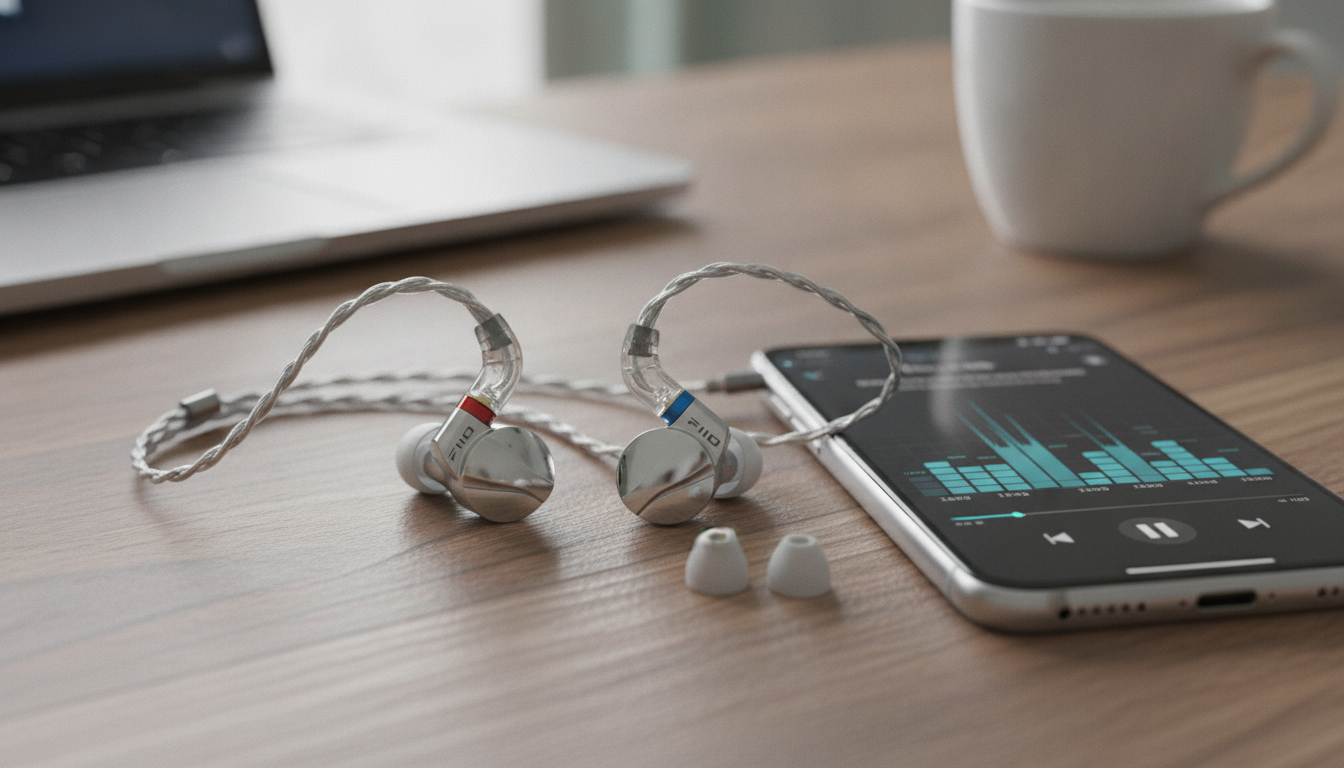
Hi-Res In-Ear Earphones with a 13.8mm Dynamic Driver and Detachable MMCX Cable
For listeners who want a detailed, high-resolution presentation in a compact form, these in-ear earphones pair a large 13.8mm dynamic driver with a detachable MMCX cable—aimed at stronger bass extension, clear midrange presence, and easy long-term maintenance through cable swaps. The result is an everyday-friendly IEM setup that can scale with better sources while staying practical for commuting, desk listening, and travel. For more guidance, see SIVGA Introduces The M260 HiFi Wired Earbuds – audioreviews.org.
What These Earphones Are Built For
- High-resolution playback on compatible devices and sources
- A dynamic-driver sound that emphasizes natural bass texture and cohesive tonality
- Detachable MMCX cabling for easier replacement, storage, and upgrades
- Daily use across commuting, desk listening, and portable DAC/amp setups
If the goal is a single, “do-it-all” pair of in-ears that doesn’t feel disposable, a serviceable MMCX design can be a major ownership upgrade: when a cable fails (often the first wear point), you replace the cable—not the earphones. For further reading, see FiiO FH5 In Ear Headphones – Review – HeadMania.
Core Design Highlights
A 13.8mm dynamic driver is notably large for an in-ear form factor. In practice, a bigger diaphragm can move more air, which may help deliver fuller low-end reach and a more physical sense of impact—especially in the sub-bass—when the ear tips seal correctly.
- 13.8mm dynamic driver designed to move more air than smaller in-ear drivers, supporting fuller low-end reach
- In-ear form factor for passive noise reduction when a proper seal is achieved
- Detachable MMCX connection to reduce the downside of cable wear over time
- Hi-Res positioning that pairs best with lossless files and capable DACs/amps
Quick Specs at a Glance
| Feature | What it means for daily use |
|---|---|
| 13.8mm dynamic driver | Deeper bass potential and a smooth, unified sound character |
| Detachable MMCX cable | Replace or upgrade the cable instead of replacing the entire earphone |
| In-ear fit | Better isolation than earbuds when tips seal correctly |
| Hi-Res playback focus | Benefits most with higher-quality sources (lossless/hi-res) |
Sound Performance: What to Expect
- Bass: Dynamic-driver low end typically feels more physical and rounded. With a secure seal, sub-bass presence tends to be stronger and more consistent, which helps electronic, hip-hop, cinematic scores, and modern pop sound grounded.
- Midrange: A single dynamic driver can deliver cohesive transitions through the mids, keeping vocals, guitars, and piano sounding continuous rather than “stitched together” across multiple drivers.
- Treble: Clarity and air depend heavily on fit and tip choice. A deeper, more stable seal often smooths harshness while improving detail retrieval and perceived focus.
- Soundstage/imaging: In-ears can image precisely, but channel balance and insertion depth strongly affect perceived width and depth. Small fit changes can shift center image and instrument placement.
To get the most from hi-res material, match the earphones with a clean output and good recordings. For an overview of what “Hi-Res Audio” typically implies in playback standards, see the Japan Audio Society’s reference page: Hi-Res Audio (overview and requirements).
Fit, Tips, and Isolation
Seal is the difference-maker. If bass feels weak or the overall tone seems thin, the most common cause is an imperfect tip seal—not the driver itself.
- Try multiple tip sizes/materials: Silicone tips often emphasize clarity and attack; foam tips often increase isolation and bass fullness by filling small gaps.
- Insertion depth changes tuning: Slightly deeper insertion can tighten bass and reduce upper-mid glare, while shallower fit can sound more open but less stable.
- Comfort for long sessions: Over-ear cable routing plus the right tip can reduce pressure points and help the seal stay consistent as you move.
For commuting and office use, passive isolation is a practical win: better isolation can reduce the temptation to crank volume in noisy environments.
Detachable MMCX Cable: Practical Benefits
- Easier maintenance: Cable failure is a common wear point. Detachable designs simplify replacement and reduce waste.
- Upgrade flexibility: Swap to different cable lengths or terminations (when compatible) based on the device you use most.
- Travel convenience: Detachable cables pack more compactly and reduce strain at the connector during storage.
- Connector care: Align gently, connect straight, and avoid excessive twisting to prolong MMCX connector life.
MMCX connectors are designed for repeated use, but treating them like precision parts—no yanking by the wire, no aggressive rotation—keeps the connection snug over time.
Pairing With Phones, Dongles, and Portable DAC/Amps
If wireless listening is part of your routine, codec support on your phone and adapter can influence clarity and latency. Bluetooth SIG provides a helpful primer here: Bluetooth codec information (SBC, AAC, aptX, LDAC).
Use Cases and Listening Scenarios
Care, Storage, and Longevity
Products Available Now
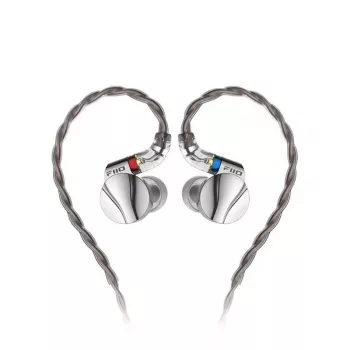
- Hi-Res In-Ear Earphones with 13.8mm Dynamic Driver & Detachable MMCX Cable
- Waterproof Anti-Theft Laptop Backpack with USB Charging Port – Fits 15.6″ Laptop
FAQ
Does a larger dynamic driver in an in-ear earphone guarantee better bass?
No. A larger driver can help move more air, but bass quality still depends on the tuning, ear tip seal, and the power/quality of the source. If bass sounds weak, an imperfect seal is the most common cause—try a different tip size or material first.
What is an MMCX cable and why does it matter?
MMCX is a small detachable coaxial connector used on many in-ear monitors. It matters because you can replace or upgrade the cable instead of replacing the whole earphone; to reduce wear, disconnect by the connector housing and avoid excessive twisting.
Will these sound better with a dongle DAC or portable amplifier?
Often, yes—if your phone’s output is noisy or underpowered. A reputable dongle DAC can lower hiss and improve dynamics, and lossless audio tends to make those improvements easier to notice.














Leave a comment