Smart Self-Cleaning Cat Litter Box: WiFi + Drawer
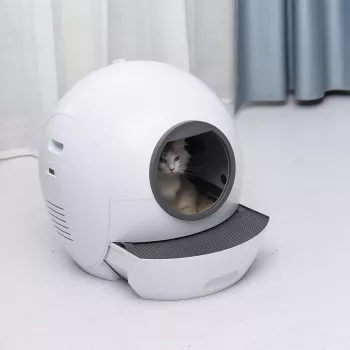
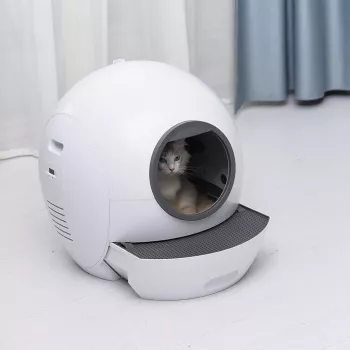
A Cleaner Litter Routine: Smart Automatic Self-Cleaning Cat Litter Box with WiFi and Enclosed Drawer Design
Daily scooping is one of those chores that never waits—and cats notice the moment a box feels less-than-fresh. A smart automatic self-cleaning cat litter box with WiFi and an enclosed drawer design is built for homes that want a tidier space, a more consistent routine for their cat, and fewer “did someone scoop?” moments. Our team put together this practical guide so you know what to expect, how to set it up smoothly, and how to keep the experience comfortable for both cats and humans.
What this litter box is designed to solve
Traditional litter boxes work, but they depend on you being perfectly on-time with scooping. An automatic self-cleaning system changes the rhythm of litter care by handling much of the day-to-day cleanup for you.
- Reduces day-to-day scooping by automating the cleanup cycle after your cat uses the box.
- Helps keep odors contained by moving waste into an enclosed drawer instead of leaving it exposed in the litter bed.
- Supports a more predictable hygiene routine, which can matter in multi-cat homes where the box gets busy fast.
- Adds app-based convenience through WiFi connectivity so routine checks don’t require hovering over the box.
- Improves the “shared space” feel of a litter area by keeping waste out of sight in a dedicated drawer compartment.
If you’re building a lower-maintenance routine, our Smart Automatic Self-Cleaning Cat Litter Box with WiFi and Enclosed Drawer Design is made for exactly that kind of “stay ahead of it” household flow.
How the WiFi and app control fits into real life
WiFi features matter most when they remove friction from your routine. Instead of guessing whether the box is keeping up, you get quick checkpoints that help you stay consistent.
- Remote status checks: confirm whether a cleaning cycle has run and whether the waste drawer likely needs attention.
- Routine-friendly alerts: use notifications as a nudge to empty the drawer before odors build up.
- Useful when traveling: a sitter can focus on refilling litter and emptying the drawer, while the box handles day-to-day cleanup timing.
- Household coordination: avoids “I thought you emptied it” by making box maintenance easier to track.
- Best practice: treat app features as support—still plan a quick visual check of the litter level and drawer on a regular cadence.
Manual scooping vs. a smart self-cleaning routine
| Routine detail | Traditional box | Smart self-cleaning box with enclosed drawer |
|---|---|---|
| After each use | Often requires immediate scooping to stay fresh | Automated cleanup cycle handles most visits |
| Odor management | Depends heavily on how fast waste is removed | Waste moves into an enclosed drawer to help contain smell |
| Busy days | Cleanup can slip and pile up quickly | More consistent cleanliness even when schedules change |
| Multi-cat households | Higher workload and faster litter breakdown | Helps keep the surface cleaner between full changes |
| Maintenance focus | Scooping plus periodic full change | Emptying drawer, topping up litter, periodic deep clean |
Why an enclosed drawer design matters
When waste stays mixed into the litter bed, odor and “used box” signals build quickly—especially if your cat likes a very clean bathroom. A drawer-based waste compartment changes the experience in a simple way: waste is separated and tucked away.
Setting it up for a smooth transition (especially for cautious cats)
If you want deeper best practices for household litter box setup and cat comfort, these guides are helpful references: Cornell Feline Health Center — Litter Box Management and ASPCA — Litter Box Problems.
Care, cleaning, and the routines that keep it working well
For general cat care and wellness guidance that complements a solid hygiene routine, you can also reference American Veterinary Medical Association (AVMA) — Cat Care.
Safety and comfort reminders for automatic litter boxes
A simple buying checklist for this style of litter box
More in-stock picks from our team
- Smart Automatic Self-Cleaning Cat Litter Box with WiFi and Enclosed Drawer Design
- Waterproof Anti-Theft Laptop Backpack with USB Charging Port – Fits 15.6″ Laptop (handy if you’re coordinating pet care while commuting or traveling)
- Your Daily Outfit Shortcut: Time-Saving Outfit Combinations for Effortless Style (a small time-saver when your routine is already packed)
FAQ
How often does the enclosed waste drawer need to be emptied?
It depends on how many cats you have and how quickly odors show up in your space, but a predictable schedule works best. In multi-cat homes, you’ll typically empty it more often to keep the box consistently inviting rather than waiting until you notice smell.
Will a cat that is nervous about new devices accept an automatic self-cleaning litter box?
Many cautious cats do well with a gradual transition: keep the old box available for a short period, use the same litter your cat already trusts, and place the unit in a calm, open area. During the first days, reduce surprises by avoiding sudden cleaning cycles right after your cat exits when possible, and monitor for hesitation or avoidance.
What should be cleaned regularly to keep the box functioning smoothly?
Plan on topping up litter, wiping dust-prone edges and contact points, and keeping the drawer area clean so waste removal stays consistent. Add periodic deep cleans to prevent buildup and lingering odors, and stick with gentle, low-scent cleaning products with thorough drying before reassembly.














Leave a comment