Cozy Tent Bed with Mat for Small Dogs & Cats Guide
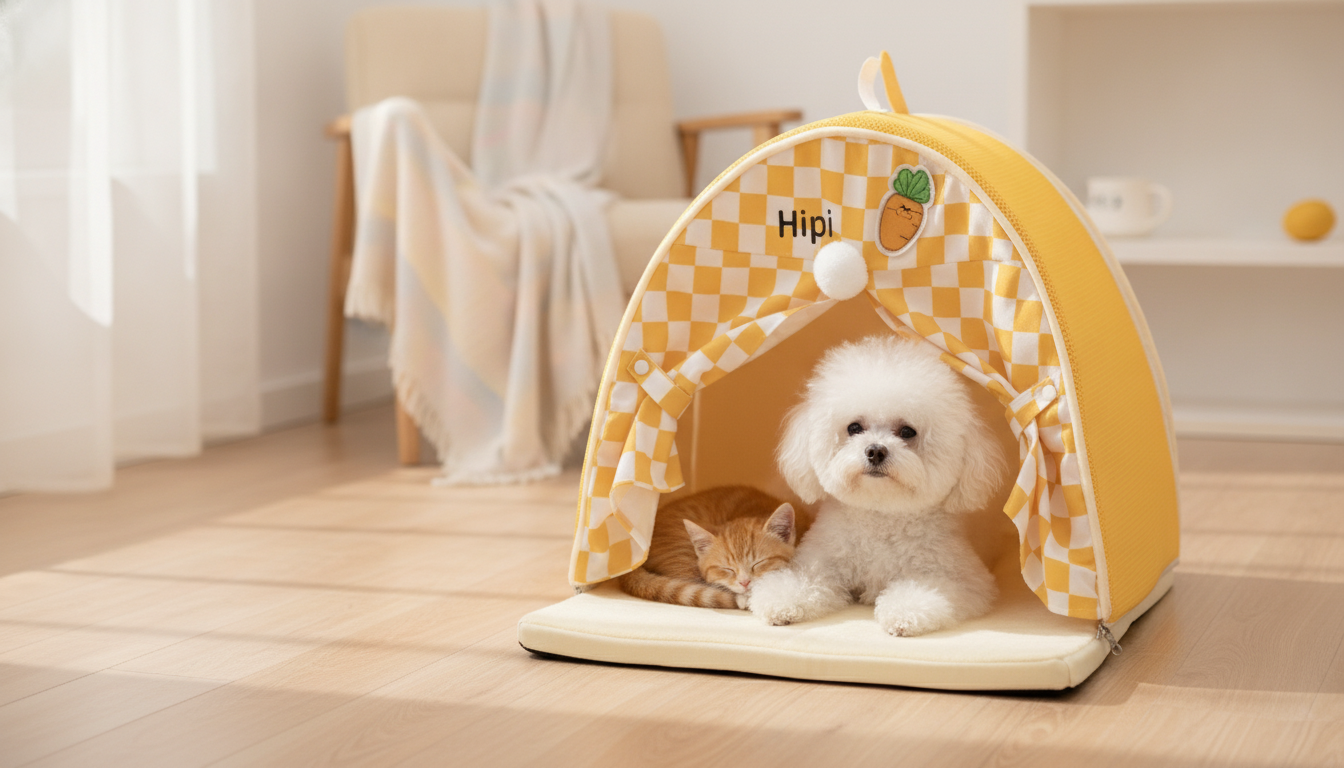
Cozy Tent Beds for Small Dogs and Cats: A Snug Hideaway That Feels Like Home
A tent-style pet bed creates a cozy, den-like nook that helps many small dogs and cats relax faster and rest longer. With a soft mat inside and a covered shape that limits drafts and bright light, this style is especially appealing to pets that love curling up, burrowing, or taking naps in quiet corners. Below are the comfort details, sizing tips, placement ideas, and care habits that keep a tent bed inviting day after day.
Why a Tent-Style Bed Works for Many Pets
Many pets naturally seek sheltered spaces—under chairs, beside sofas, or in tucked-away corners—because enclosed areas can feel calmer and more predictable.
- Creates a den-like space that can feel safer for timid pets or those that startle easily.
- Helps reduce exposure to room traffic, bright light, and small drafts compared with open beds.
- Supports natural nesting behaviors in cats and small dogs that like to burrow or hide.
- Offers a defined personal space that can be helpful in multi-pet homes.
- Often encourages longer, uninterrupted rest by limiting disturbances.
For more about why “safe spaces” matter, see general guidance from the American Kennel Club (AKC) and tips for shy cats from the ASPCA.
Comfort Features to Look For
Not all tent beds feel the same. A few small construction details can make a big difference in whether a pet uses it daily or ignores it.
- Soft interior surfaces that feel warm against fur and are gentle on sensitive skin.
- A cushioned, removable mat that provides padding on hard floors and can be aired out between washes.
- A stable base that resists sliding when a pet circles before lying down.
- A flexible but supportive canopy so the entrance stays open without collapsing onto the pet.
- Stitching and seams that look reinforced to handle kneading, nesting, and turning.
For pets that nap on tile or hardwood, the mat matters as much as the canopy. A thicker, springy mat can help reduce pressure points and prevent the “cold floor” feeling during longer rests.
Sizing and Fit: Getting the Right Den
Tent beds work best when the interior feels comfortably “snug,” without forcing the pet to squeeze through the opening or curl more tightly than usual.
- Measure the pet’s curl-up length (nose to base of tail while curled) and choose an interior length slightly larger for comfort.
- Check entrance height and width so the pet can step in without crouching too much or brushing the top constantly.
- For pets between sizes, a slightly larger interior is usually better, but avoid oversized tents that feel too open for shy pets.
- Consider weight and body shape: compact, stocky pets may need more width than length.
- If the pet stretches out fully to sleep, an open bed may be preferred; a tent bed is best for curlers and hiders.
Quick Fit Guide for Tent Beds
| Pet behavior | Best fit | Notes |
|---|---|---|
| Burrows under blankets | Snug interior with a soft mat | A closer fit can feel more secure |
| Timid around noise/guests | Covered tent with stable base | Place in a quiet corner away from doors |
| Kneads and nests | Durable fabric and reinforced seams | Trim nails to reduce snagging |
| Runs warm | Breathable fabric and removable mat | Avoid direct sun and heat vents |
| Senior or stiff joints | Low entry and thicker mat | Add an extra pad if recommended by a vet |
Where to Place a Cozy Tent Bed at Home
Placement can be the difference between “favorite nap spot” and “unused furniture.” The goal is to create a calm mini-retreat while keeping it easy to access.
Cleaning, Odor Control, and Everyday Care
For broader pet wellness and home-care basics, the AVMA Pet Care resources are a helpful reference point.
Introducing the Bed So Pets Actually Use It
Featured Picks (In Stock)
- Cozy Tent Bed with Mat for Small Dogs and Cats – Soft Pet Basket Kennel ($65.01) – A soft, tent-shaped pet basket that creates a covered nook for restful naps and quiet downtime, with a mat for added cushioning.
- Waterproof Anti-Theft Laptop Backpack with USB Charging Port – Fits 15.6″ Laptop ($72.51) – A practical carry option for pet parents who want a secure day bag for essentials like wipes, treats, collapsible bowls, and paperwork when heading out.
FAQ
Is a tent bed better than an open bed for cats and small dogs?
Tent beds tend to work best for pets that prefer enclosed spaces, like burrowing, or want a quieter spot away from activity. Open beds can be a better match for pets that sprawl out, overheat easily, or dislike having a cover above their head, so placement and observing your pet’s habits matter.
How do you choose the right size tent bed?
Measure your pet’s curl-up length and width, then pick an interior space slightly larger so they can turn and settle comfortably. Also confirm the entrance is tall and wide enough for easy step-in access; if your pet is between sizes, sizing up a bit often helps, and seniors may benefit from a lower entry and thicker mat.
How often should the mat and tent be cleaned?
Remove fur and debris weekly (more often during shedding), and wash the mat about every 2–4 weeks depending on odor and use. Spot-clean the canopy as needed and always let all parts dry fully before reassembling to prevent musty smells.
















Leave a comment