Calming Hobbies for Stress Relief: Easy Ideas That Stick
Fun Hobbies to Calm Your Mind: A Practical Guide to Stress Relief, Mental Wellness, and Everyday Relaxation
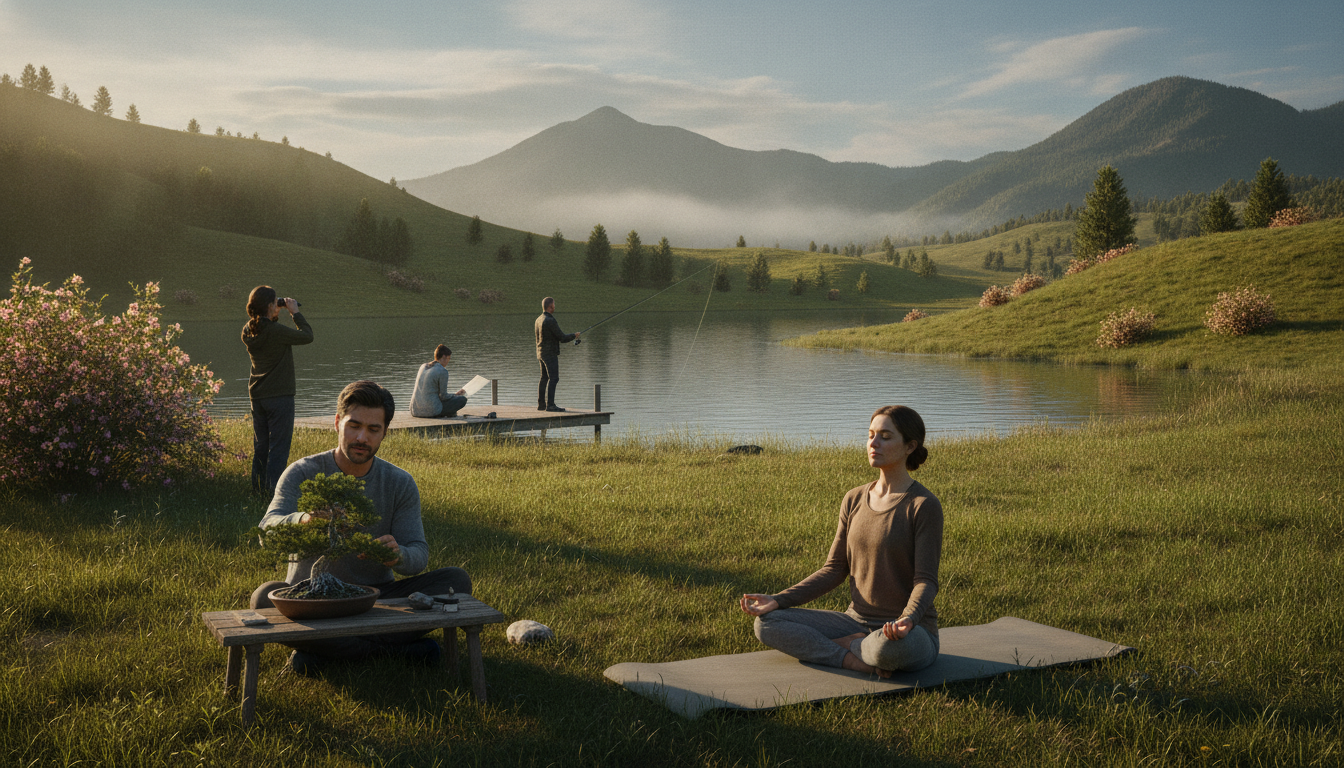
Calming hobbies work best when they fit real life: limited time, fluctuating energy, and the need for something genuinely enjoyable—not another task. The aim is to shift your nervous system out of “on” mode, give your mind a gentle focus, and build a small ritual that strengthens resilience over time. Use the ideas below to pick one hobby for quick decompression and one for deeper restoration, then start with short, repeatable sessions that feel easy to return to.
What Makes a Hobby Calming (and What Doesn’t)
Not every “relaxing” activity actually relaxes you. The most soothing hobbies share a few practical traits that make them feel safe, simple, and steady when your brain is overloaded.
- Gentle focus: Activities with a clear, simple next step lower mental load and reduce rumination.
- Low stakes: A hobby feels restorative when there’s no pressure to perform, optimize, or post the result.
- Sensory grounding: Touch, sound, and small movements (like kneading dough or sketching lines) anchor attention in the present.
- Predictable structure: A familiar routine (warm-up, main activity, cool-down) signals safety to the brain.
- Watch-outs: Competitive scoring, constant notifications, and steep technical learning curves can add stress when energy is low.
If you want a ready-to-use menu of options, Fun Hobbies to Calm Your Mind – A Practical Guide to the Best Hobbies for Stress Relief, Mental Wellness, and Everyday Relaxation is designed for quick pick-and-start sessions you can rotate as your mood changes.
Quick Calm: 10-Minute Hobbies for Busy Days
On packed days, the win is not “going deep.” The win is flipping your body from tense and fast to slower and steadier—without needing a big setup.
- Breath-and-stretch flow: Pair slow breathing with 3–5 basic stretches; stop before discomfort.
- Coloring or doodling: Choose repeating shapes; pay attention to the motion more than the outcome.
- Mini nature reset: Step outside, name five things you see/hear/feel; take one slow lap if you can.
- Tea or coffee ritual: Prepare it slowly, notice aroma and warmth, and take the first three sips without multitasking.
- Tidy one small zone: Set a 10-minute timer (desk corner, one drawer) and stop when it ends so it stays calming.
Hands-On, Mind-Quiet: Tactile Hobbies That Settle the Nervous System
Tactile hobbies help because your hands get a job your mind can follow—rhythmic, concrete, and forgiving.
- Knitting, crochet, or hand-sewing: Repetition can feel especially steady during anxious evenings.
- Clay, putty, or simple sculpting: Use pressure and slow movements; make small shapes rather than big “projects.”
- Baking simple recipes: Use one reliable recipe and focus on measuring, mixing, and the scent of baking as a grounding cue.
- Container gardening: Low-commitment herbs or hardy plants; watering becomes a small daily check-in.
- Puzzles and sorting: Jigsaws, sorting beads, or organizing photos create a pleasant “one more piece” focus without overthinking.
Creative Release Without Pressure
Creativity can calm the nervous system when it’s framed as expression, not performance. Keeping the rules simple is often what makes it stick.
For structured prompts that are easy to start and satisfying to finish, Creative Writing Exercises eBook | Creative Writing Exercises for Writers, Storytelling Prompts, Character & Plot Development Guide works well as a calm, screen-light alternative to scrolling.
Movement-Based Hobbies That Ease Stress (Without Overtraining)
If commuting or busy days add to your stress, keeping essentials organized can reduce friction before you even start your hobby time. The Waterproof Anti-Theft Laptop Backpack with USB Charging Port – Fits 15.6″ Laptop is a practical option for carrying a notebook, book, or small hobby supplies so your downtime is easier to protect.
A Simple Plan to Make a Hobby Stick
Calming Hobby Menu (Pick One to Start This Week)
| Hobby | Time Needed | Cost Level | Best For |
|---|---|---|---|
| Coloring or doodling | 10–20 min | Low | Mental quiet, busy thoughts |
| Knitting/crochet | 20–60 min | Low–Medium | Restlessness, evening wind-down |
| Jigsaw puzzle | 15–45 min | Low–Medium | Gentle focus, screen breaks |
| Container gardening | 10–30 min | Low–Medium | Mood lift, routine building |
| Walking with a theme | 10–40 min | Low | Stress relief, clarity |
| Short journaling | 5–15 min | Low | Emotional processing, overwhelm |
When Stress Is High: Adapting Hobbies to Anxiety, Burnout, or Low Mood
For more guidance on stress and mental wellness basics, the American Psychological Association’s stress resources and the National Institute of Mental Health guide to caring for your mental health offer reliable, practical information.
FAQ
What are the most calming hobbies for anxiety?
Low-stakes, repetitive hobbies tend to help most: knitting or crochet, coloring, puzzles, and simple gardening. Gentle movement like walking or easy yoga can also calm the body; starting with 10 minutes and keeping it predictable usually works better than pushing longer sessions.
How do I pick a hobby if I’m overwhelmed and have no energy?
Pick a micro hobby with almost no setup (tea ritual, 5-minute journaling, one puzzle section) and keep supplies in a “ready to start” spot. Choose something familiar, stop early on purpose, and pay attention to how your body feels afterward.
Can hobbies really improve mental wellness over time?
Yes—consistent relaxing activities support stress recovery by reducing rumination, building routine, and increasing a sense of capability in small, repeatable ways. They work best alongside solid basics like sleep, movement, and reaching out for support when stress feels unmanageable.











Leave a comment