Do Home IPL Devices Really Work? Results & Who They Help
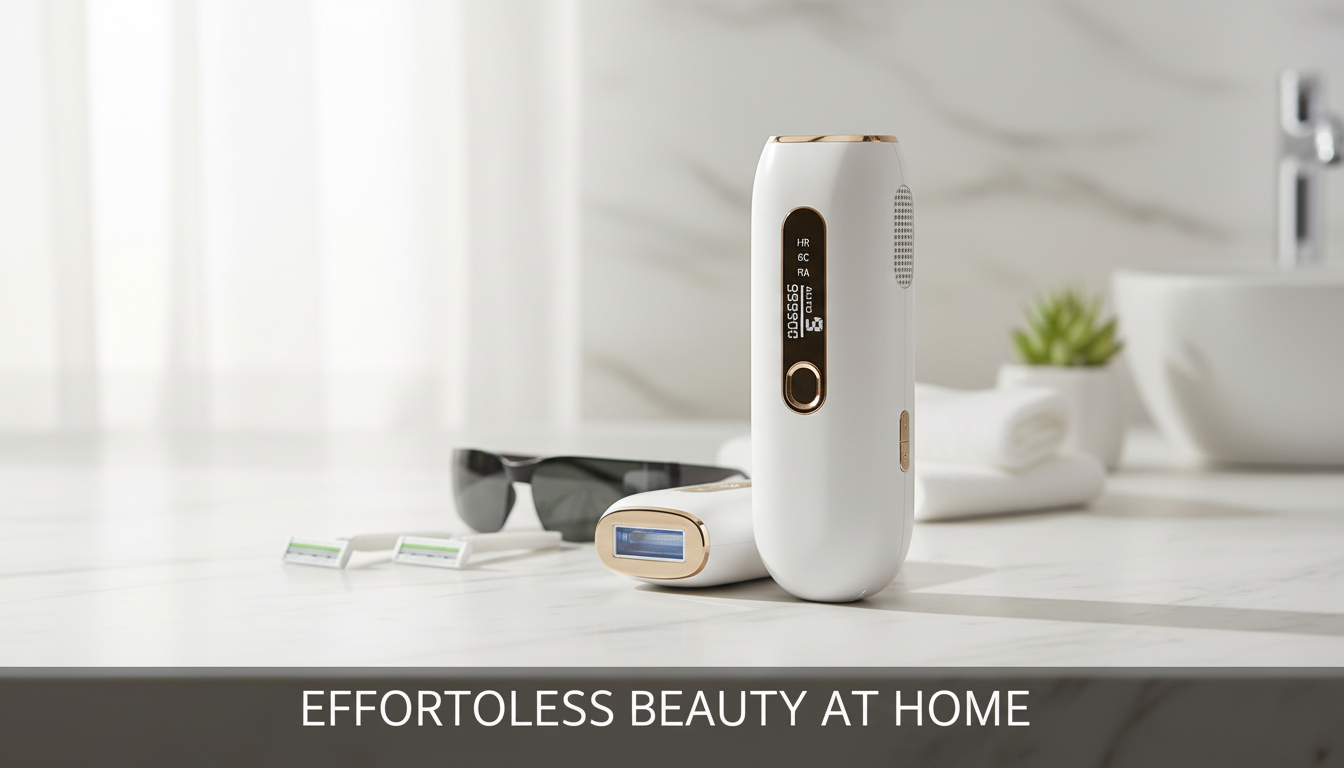
Do any home IPL devices work?
Yes—many home IPL (intense pulsed light) devices can work, but “work” usually means noticeably reducing hair growth over time, not removing every hair forever after a few sessions. At-home IPL can be effective for the right skin tone and hair color, used consistently on appropriate body areas, and with realistic expectations about maintenance.
What results can you realistically expect?
Most users see slower regrowth and finer, patchier hair after several weeks of regular treatments. Many people then shift to occasional touch-ups to maintain results. If you stop completely, regrowth often increases again over time because IPL targets hair in certain growth phases, not all follicles at once.
Who gets the best results with home IPL?
IPL tends to work best when there’s strong contrast between skin and hair—typically lighter skin with darker hair—because the light energy is absorbed by pigment in the hair. Very light blonde, red, gray, or white hair may respond poorly due to low pigment. Many devices also have skin tone limitations for safety, so it’s important to follow the manufacturer’s guidance.
What makes a home IPL device “actually effective”?
Consistency matters as much as the device. Look for clear treatment schedules, skin tone sensors or safety features, and enough flashes to last. Proper prep (clean, shaved skin), correct placement, and sticking to weekly sessions early on all help produce more reliable outcomes.
Safety and comfort considerations
Home IPL is generally considered safe when used as directed, but it’s not for everyone. Avoid treating tattoos, moles, or irritated skin, and be cautious on sensitive areas. If you’re pregnant, taking photosensitizing medications, or have a skin condition, check with a clinician first.
For a deeper walk-through on choosing and using an at-home IPL device—plus tips that help results—visit this at-home IPL hair removal guide.
FAQ
How long does at-home IPL take to show results?
Many people notice changes after 3–6 weeks of consistent use, with more visible reduction by 8–12 weeks. Timing varies by body area, hair thickness, and how closely you follow the treatment schedule.















Leave a comment