At-Home IPL Hair Removal: 999900 Flashes, LCD & Tips
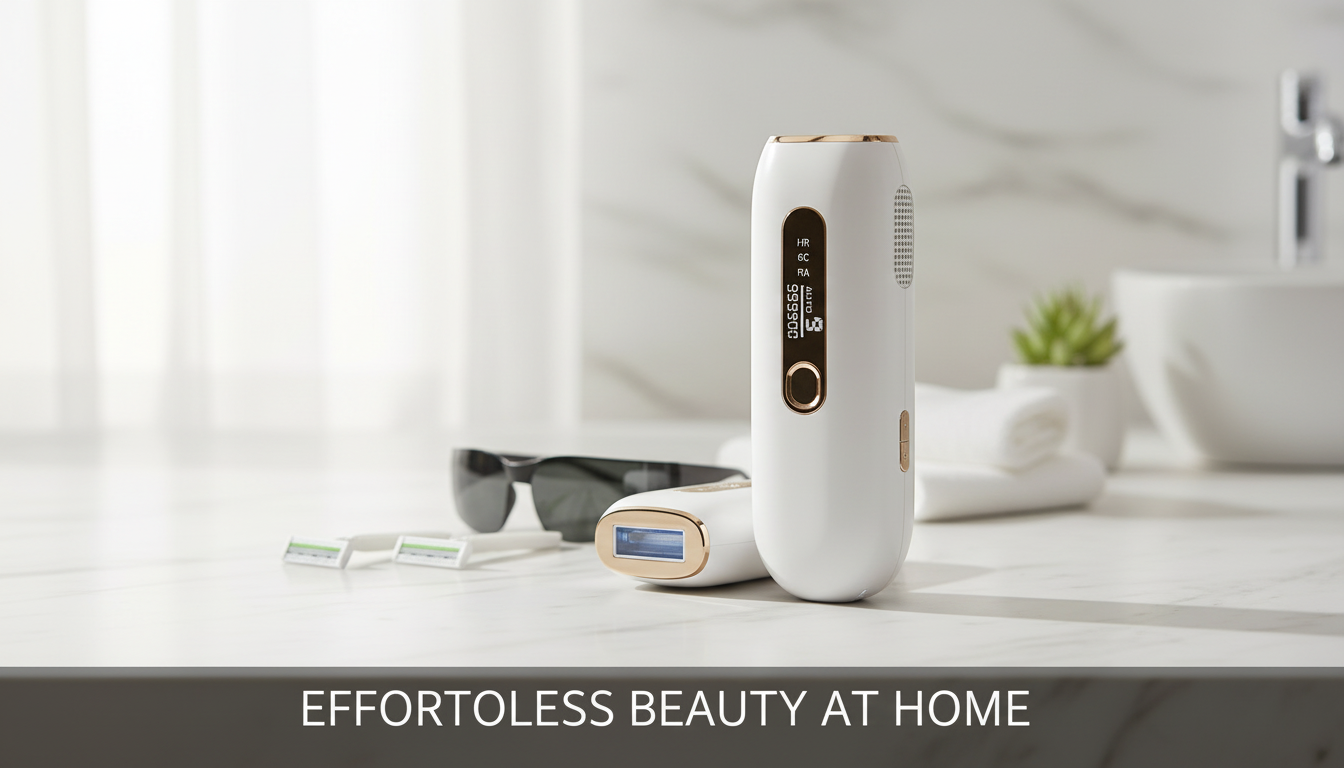
IPL Hair Removal at Home: What It Is and How It Compares to Laser
At-home IPL (intense pulsed light) hair removal is built around a simple idea: repeated pulses of light target pigment in the hair, converting light to heat and gradually weakening the follicle’s ability to produce thick regrowth. Unlike a quick shave or a one-time wax, IPL is a routine—results build as you stay consistent. For more guidance, see Silk’n: Beauty Tools for Home Use | LED Face Masks.
IPL differs from professional laser hair removal mainly in the type of light and typical power levels. Laser hair removal usually uses a single wavelength that’s precisely targeted, while IPL uses a broad spectrum of light. Home IPL devices are designed with safety and gradual progress in mind, so changes are usually more subtle week to week but noticeable over time with regular sessions. For further reading, see Oreeth Laser Hair Removal – Premium Website.
Hair and skin characteristics matter. Darker hair tends to respond best because it contains more pigment to absorb light. Very light blonde, gray, or red hair may not respond as well. Skin tone also affects suitability; higher melanin levels can increase the risk of irritation if settings aren’t appropriate. For more background on IPL safety and expectations, see the FDA overview on lasers and IPL and the American Academy of Dermatology guidance on hair removal expectations.
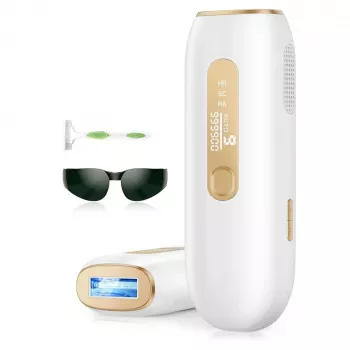
Key Features of the 999900-Flash LCD Device
When choosing an IPL tool for home use, the day-to-day experience matters just as much as the technology. A high flash count, clear controls, and adjustable intensity can make it easier to stick to a schedule—often the biggest factor behind visible change.
This style of device focuses on practical longevity and usability:
- 999900 flashes to support extended use across multiple areas without quickly running out of pulses.
- LCD display for quick checks on intensity and status, helping reduce misclicks when switching zones.
- Multiple intensity levels so sensitive areas can start lower and build up gradually.
- Ergonomic handheld design intended for self-treatment on common areas like legs, arms, underarms, and bikini line (follow device guidance for face use).
Quick feature snapshot
| Feature | Why it matters | Practical tip |
|---|---|---|
| 999900 flashes | Supports extended use over months/years | Treat consistently rather than increasing intensity too fast |
| LCD screen | Clear feedback on level/status | Double-check the level before switching body areas |
| Adjustable intensity | Comfort and safety for different zones | Start low and increase only if skin stays calm |
| Home-use design | Convenience and privacy | Patch test and follow a schedule for best odds of visible change |
Who It’s Best For (and Who Should Skip IPL)
IPL is often a good match for people who want a lower-maintenance routine than frequent shaving or waxing, and who can commit to regular sessions. It typically performs best on darker hair with lighter-to-medium skin tones because the contrast helps the light target hair pigment more efficiently.
- If you’re prone to hyperpigmentation, strong sensitivity reactions, or have a history of keloid scarring, it’s smart to consult a clinician before starting.
- Avoid treating over tattoos, permanent makeup, and dark moles or any suspicious spots. Work around them (or cover them) per device guidance.
- Do not use IPL on sunburned or recently tanned skin; higher melanin levels can raise the risk of irritation or burns.
- Pregnancy and certain medical conditions/medications—especially photosensitizing drugs—may make IPL unsuitable. When in doubt, confirm with a healthcare professional.
Preparation Checklist for Better Comfort and Fewer Side Effects
Small prep steps can make sessions feel more comfortable and help avoid preventable irritation.
How to Use the Device: A Simple Routine
Example schedule to discuss with your device instructions
| Phase | Frequency | What to watch for |
|---|---|---|
| Start-up | About 1–2x per week | Mild redness is common; stop if blistering or persistent pain occurs |
| Build results | Weekly or every other week | Hair may shed or grow back finer; consistency matters |
| Maintenance | Every 4–8 weeks as needed | Touch up when regrowth becomes noticeable |
What Results Can Look Like Over Time
Safety Notes and Common Troubleshooting
Product Options Available Now
- IPL Hair Removal Device with 999900 Flashes and LCD (In stock, $75.51)
- Waterproof Anti-Theft Laptop Backpack with USB Charging Port – Fits 15.6″ Laptop (In stock, $72.51)
- Your Daily Outfit Shortcut: Time-Saving Outfit Combinations for Effortless Style (In stock, $6.99)
FAQ
Does IPL hurt?
Most people describe IPL as a warm snap or quick tingle that varies by intensity and body area. Starting on a lower level, shaving properly beforehand, and avoiding treatment on sunburned or freshly tanned skin can make sessions noticeably more comfortable.
How long do 999900 flashes last in real use?
In practical terms, 999900 flashes can last a very long time for typical at-home routines because most sessions use far fewer than thousands of flashes per area. Longevity depends on how many body zones you treat, how much you overlap, and how often you do sessions—following a steady schedule is more useful than over-flashing.
Can IPL be used on the face and bikini area?
Many home IPL devices support use on the bikini line and parts of the face with caution, but settings and allowed zones vary by model. Use lower intensity on sensitive areas, patch test first, avoid flashing near the eyes, and never treat mucosal areas.













Leave a comment