Most Waterproof Backpack: Dry-Bag Build, IP Ratings
What is the most waterproof backpack?
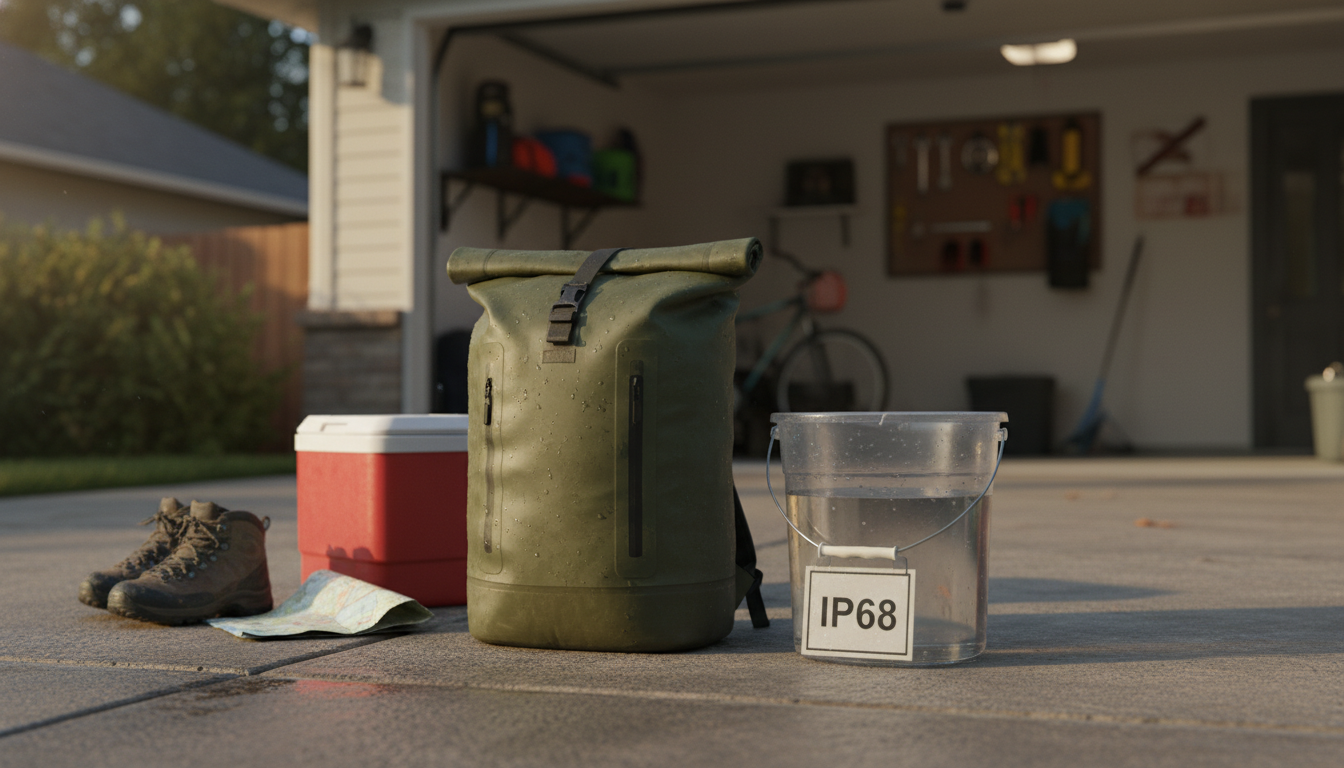
The most waterproof backpack is one that’s built like a dry bag: it uses fully waterproof materials, has welded (not stitched) seams, and closes with a roll-top or another watertight sealing system. In practice, the “most waterproof” options are typically rated to IP standards (often IPX6–IPX7) or are purpose-built dry-pack backpacks designed for boating, paddling, and all-day exposure to heavy rain.
Many everyday “water-resistant” backpacks can shrug off light showers, but they usually rely on stitched seams, zippers, and coatings that eventually wet out. If you need true protection for electronics, camera gear, or clothing on a long commute or travel day, prioritize a waterproof construction first—then look at comfort and organization.
What to look for in a truly waterproof backpack
1) Waterproof fabric: PVC, TPU-laminated nylon, or similar membranes are common in high-performing waterproof packs. These materials resist saturation and keep water from soaking through the body of the bag.
2) Welded seams: Sewn seams create needle holes. A genuinely waterproof backpack uses RF-welded, heat-welded, or taped seams designed to prevent leakage at high-stress points.
3) Closure system: Roll-top closures offer a reliable seal when rolled correctly. Waterproof zippers can work too, but they must be high quality and properly maintained; otherwise they’re often the first failure point.
4) IP rating (when available): If a brand provides an IP rating, it’s a helpful shorthand for water protection. Higher ratings generally indicate better resistance to direct water exposure.
Choosing the right “most waterproof” option for your use
If you’re frequently in heavy rain, on a bike, or around water, a roll-top waterproof backpack with welded seams is usually the safest bet. If you need quick access for commuting, a waterproof-zip backpack can be more convenient—just confirm it’s designed as waterproof, not merely coated.
For a deeper comparison of materials, closures, and real-world performance, see the full guide here: https://spiritine.com/blog/what-is-the-most-waterproof-backpack/.
FAQ
Are waterproof backpacks fully submersible?
Some are, but many are only designed for heavy rain and splashes. If submersion is a possibility, look for a pack with a verified IP rating (such as IPX7) and a roll-top seal, and follow the brand’s depth/time limits.















Leave a comment