Do Anti-Theft Bags Stop Pickpockets? What to Know
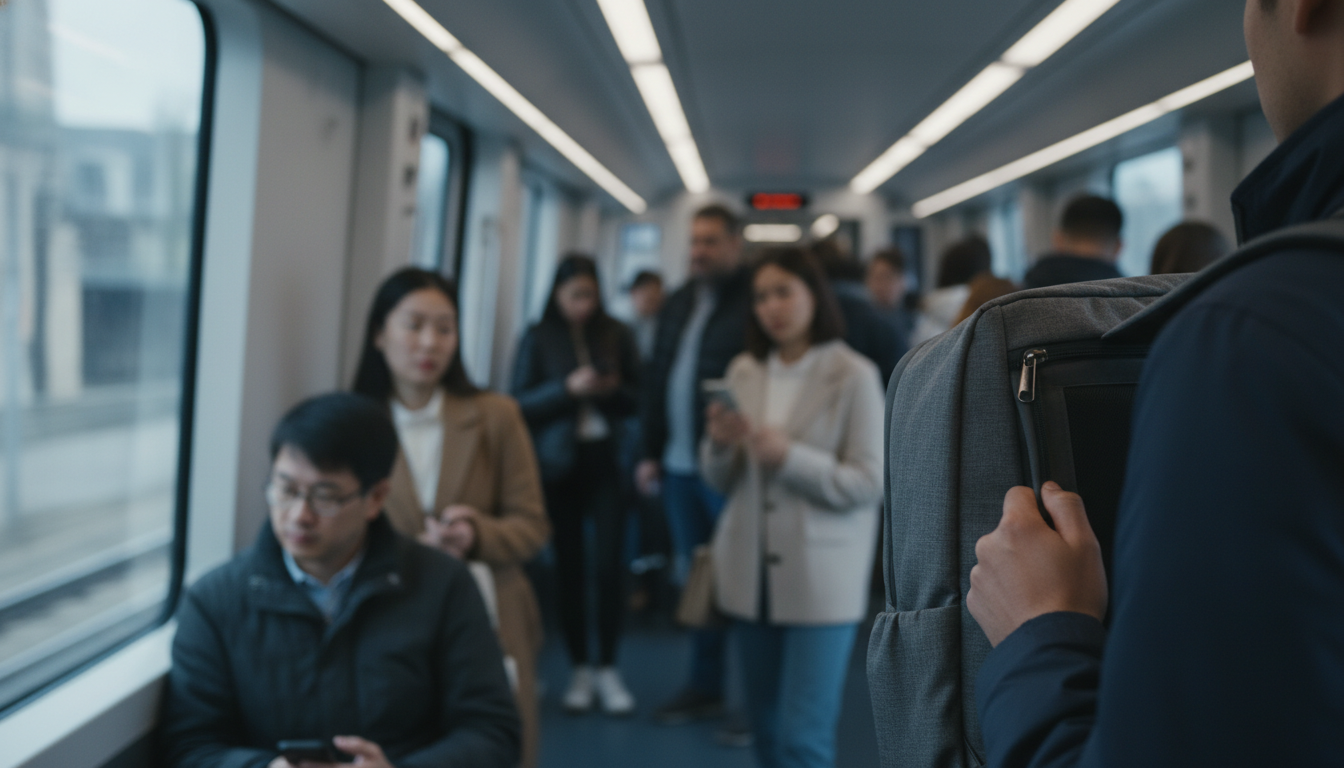
Do anti-theft bags really prevent pickpockets?
Anti-theft bags can significantly reduce the chances of being pickpocketed, but they don’t make theft impossible. Their real value is in slowing a thief down and making tampering obvious—two things pickpockets try hard to avoid. When zippers are hard to access, compartments are hidden, and the bag stays close to your body, criminals are more likely to move on to an easier target.
How anti-theft features disrupt pickpocket tactics
Pickpockets typically rely on speed, crowd cover, and easy access. Anti-theft bags counter that with features like lockable or interlocking zippers, slash-resistant straps or panels, and pockets that sit against your body instead of facing outward. If a thief can’t smoothly open a pocket or slip a hand inside without you noticing, the attempt becomes risky and less worthwhile.
What an anti-theft bag can’t do
Even the best bag won’t protect you if it’s left open, worn loosely behind you, or placed on a chair back in a café. Some thefts involve distraction or teamwork, where one person bumps you while another grabs valuables. Anti-theft hardware helps, but awareness and smart habits still matter.
How to get the most protection from an anti-theft bag
Wear it in front of your body in crowded areas, keep zippers fully closed, and store high-value items (passport, wallet, phone) in the most secure compartment—ideally one that faces inward. Avoid keeping everything in a single outer pocket. If your bag has locking zippers or clips, use them when navigating transit stations, markets, festivals, or long queues.
Is it worth buying one?
If you travel frequently, commute on public transportation, or spend time in dense tourist areas, an anti-theft bag is often worth it as a practical layer of protection. For a deeper breakdown of what works (and what doesn’t), read the full guide here: https://spiritine.com/blog/do-anti-theft-bags-really-prevent-pickpockets/.
FAQ
What should you keep in the most secure pocket of a travel bag?
Put irreplaceable essentials there: passport, primary credit card, cash backup, and your phone. The goal is to keep the items that would ruin your day hardest to reach and closest to your body.

















Leave a comment