Spot a Fake Tommy Hilfiger Jacket: Quick Checks

How to Tell a Fake Tommy Hilfiger Jacket?
Counterfeit jackets often look convincing at a glance, so the safest approach is to check several small details that are hard to copy well. Use the steps below to quickly spot red flags before buying, especially on resale marketplaces.
Start With the Labels and Logo Details
Look at the neck label, inner care label, and any woven flag logo. Authentic pieces typically have crisp stitching, clean edges, and consistent colors (the flag’s red/white/blue should be sharp, not bleeding). Misspellings, fuzzy embroidery, off-center logos, or uneven thread tension are common signs of a fake.
Check the Care Tag and Product Information
Inside tags should include fabric composition, country of origin, and care instructions printed clearly and aligned. Many authentic Tommy Hilfiger jackets also include a style number or RN/CA identifiers depending on the market. If the tag feels flimsy, the printing smears, or important info is missing, treat it as suspicious.
Inspect Stitching, Seams, and Hardware
Authentic jackets generally have even stitching with consistent spacing, especially along the zipper placket, cuffs, and hem. Examine zippers, snaps, and buttons: they should feel solid, operate smoothly, and match the jacket’s overall quality level. Cheap, lightweight hardware, snagging zippers, or loose threads throughout are strong warning signs.
Evaluate Fabric and Fit Quality
Tommy Hilfiger outerwear usually uses fabrics that feel substantial for the style—cotton, blends, or technical materials that drape cleanly. If the jacket feels unusually thin, stiff in a “plastic” way, or the lining puckers and twists, it may not be authentic. Sizing can vary by collection, but extreme inconsistencies (like mismatched sleeve lengths) aren’t typical.
Verify the Seller and Compare to Known References
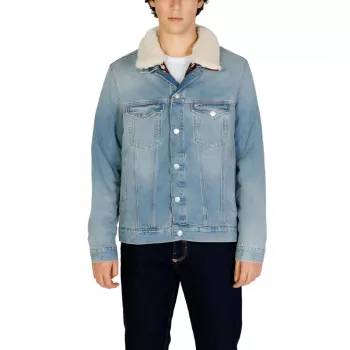
Ask for clear photos of all tags, the zipper pull, the logo embroidery, and inside seams. Compare those details to verified retail images and product listings. For a helpful reference on Tommy Hilfiger styling and what a quality light-blue cotton coat should look like, visit this Tommy Hilfiger men’s light blue cotton coat styling guide.
FAQ
What’s the easiest way to authenticate a Tommy Hilfiger jacket online?
Request close-up photos of the neck label, care tag, logo embroidery, and hardware, then compare them to official retail images. Avoid listings with blurry tag photos, missing interior shots, or unusually low prices without a clear explanation.













Leave a comment