Sonic Toothbrush Heads: Universal or Brand-Specific?
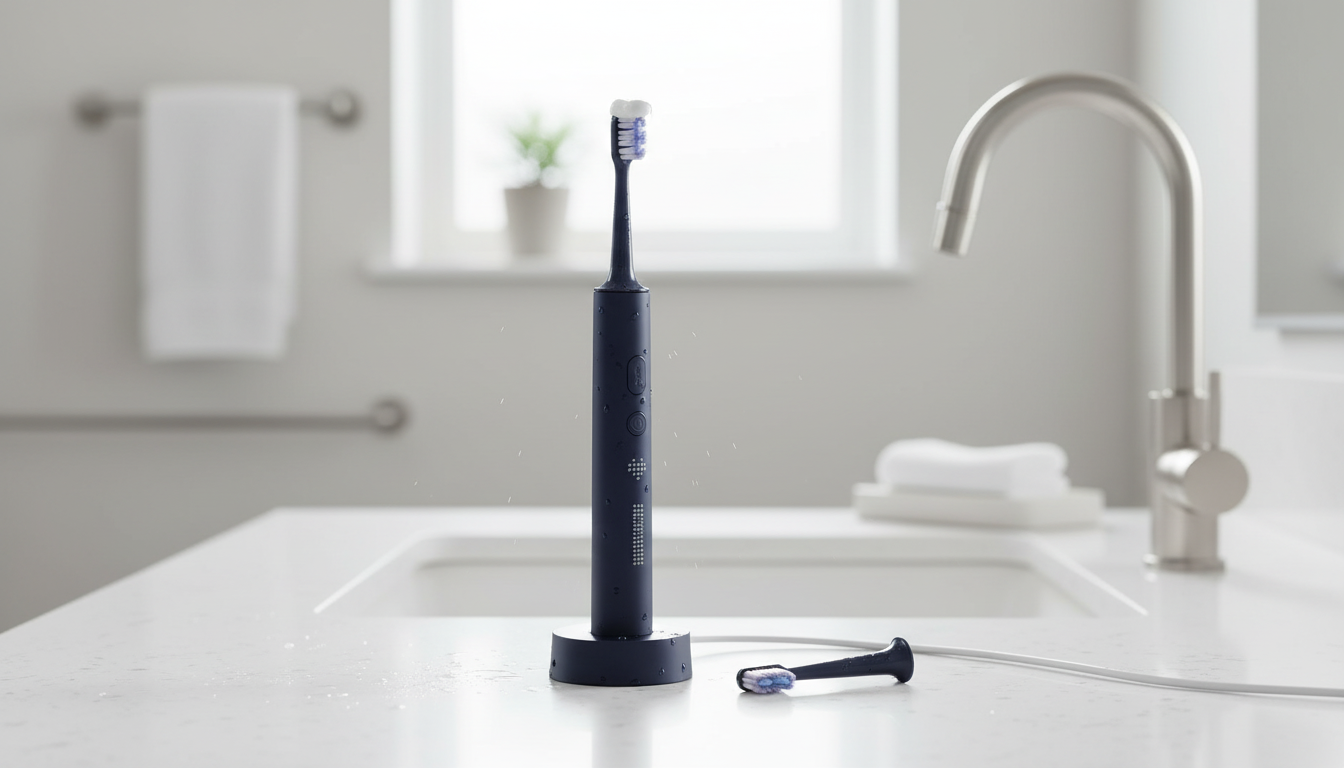
Are Sonic toothbrush heads universal?
No—sonic toothbrush heads are not universal. Even when two brush heads look similar, the connection mechanism (snap-on, screw-on, twist-lock, or proprietary latch), the stem diameter, and the internal drive shape can differ by brand and sometimes by model line within the same brand. If the head doesn’t seat fully or wobbles, it can reduce cleaning performance and may stress the handle.
Why most sonic brush heads don’t interchange
Manufacturers design brush heads to match specific handles for fit, vibration transfer, and safety. Small differences in the neck length or coupling can keep a head from locking in place. Some brands also use chips, color rings, or molded tabs to control compatibility across product generations.
What “compatible” really means when shopping
Many third-party listings say “fits Sonicare” or “fits Philips,” but that usually refers to a specific mounting style—not all sonic brushes. “Compatible” also doesn’t guarantee the same bristle quality, gum comfort, or durability. If you’re buying off-brand replacements, double-check the exact handle model and look for clear compatibility statements tied to that series.
How to confirm the right replacement head
Start with the handle brand and model name/number (often printed on the bottom or inner side of the handle). Then match the mounting type: does your current head pull straight off (snap-on), twist off, or unscrew? Finally, compare the base shape and neck length to your existing head. For a deeper compatibility breakdown and buying tips, see the full guide on whether sonic toothbrush heads are universal.
What happens if you use the wrong head
A mismatched head may not spin or vibrate correctly, can rattle loudly, and may pop off during brushing. In some cases it can wear the drive shaft or coupling over time. If the head doesn’t click in securely and sit straight, it’s better to return it and choose a confirmed match.
FAQ
How do I know which replacement brush head fits my toothbrush?
Find the handle’s exact model number and match it to the manufacturer’s compatible head list or a third-party listing that names your specific series. The head should click or lock in firmly with no wobble and remove using the same motion as your original.














Leave a comment