IPL Hair Removal: Who Should Avoid Treatment?
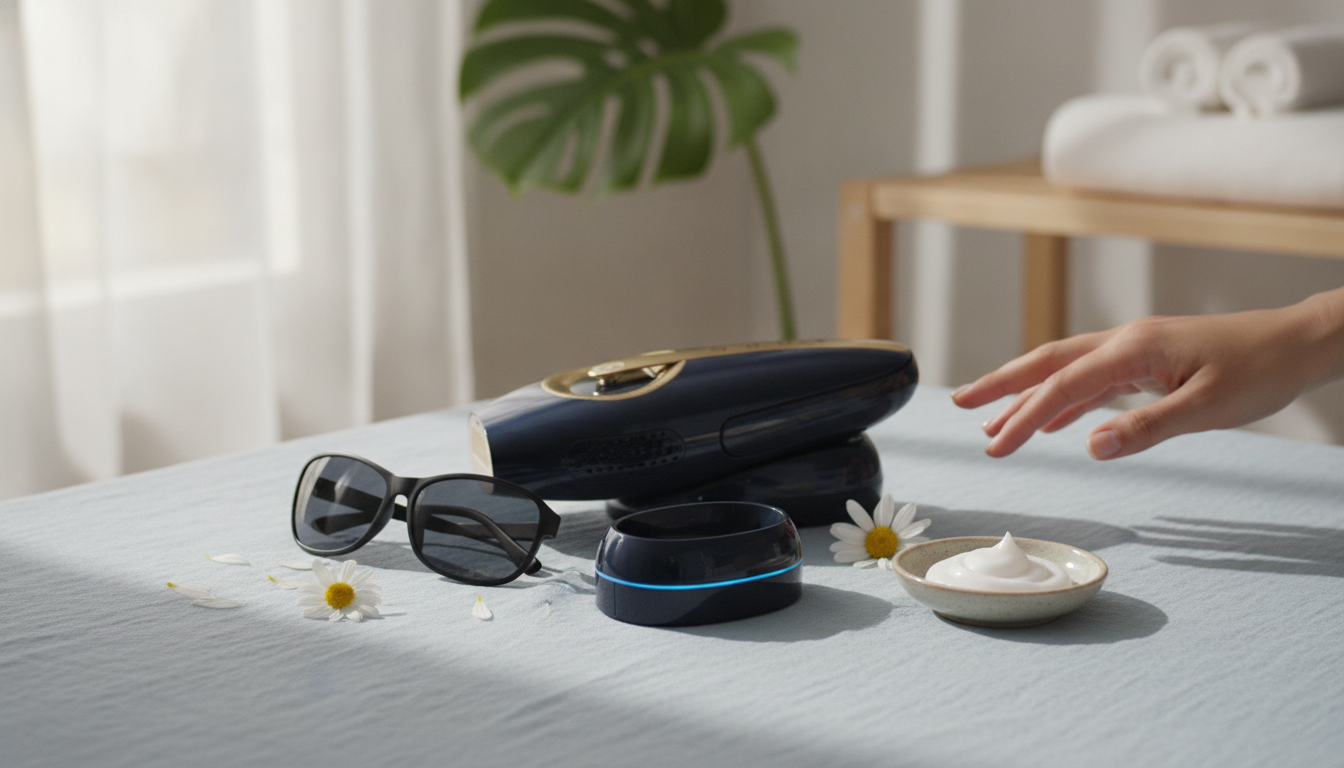
Who should not do IPL treatment?
IPL (intense pulsed light) hair removal can be convenient at home, but it isn’t a fit for everyone. Avoid IPL treatment—or get medical clearance first—if any of the situations below apply.
People who are pregnant or breastfeeding
Many device makers recommend avoiding IPL during pregnancy and, in some cases, while breastfeeding due to limited safety data and the way hormones can change skin sensitivity and hair growth patterns.
Anyone taking photosensitizing medications
Some antibiotics, acne medications, and other prescriptions can make skin more reactive to light. Using IPL while on these medications can increase the risk of burns, blistering, or lingering discoloration. Check your medication label and ask a clinician if you’re unsure.
Those with active skin infections, open wounds, or recent procedures
Skip IPL over cuts, sunburn, rashes, cold sores, eczema flares, or irritated skin. Also avoid treating areas that have been recently peeled, resurfaced, or otherwise sensitized until fully healed.
People with a history of skin cancer or suspicious lesions
Do not flash IPL over moles, dark spots that are changing, or any lesion that hasn’t been evaluated. If there’s a personal history of skin cancer, talk to a dermatologist before using IPL anywhere.
Those prone to keloids or poor wound healing
If your skin tends to form raised scars (keloids) or heals unpredictably, extra caution is warranted. Light-based treatments can trigger irritation that may worsen scarring in susceptible individuals.
People with very dark skin tones or very light/gray/red hair (device-dependent)
Many IPL devices work best when there’s high contrast between hair and skin. Very dark skin may absorb more energy, raising burn risk, while very light or red hair may not respond well. Always follow your specific device’s skin tone/hair color chart.
For practical at-home guidance—including prep, safety tips, and area-specific use—see the full guide here: portable IPL hair removal guide.
FAQ
Can you use IPL on tattoos or moles?
Do not use IPL over tattoos, permanent makeup, or prominent moles; the pigment can absorb the light and lead to burns or discoloration. Cover tattoos and avoid flashing directly on moles or dark spots.















Leave a comment