Best Waterproof Women’s Shoes: Boots, Hikers & Sneakers
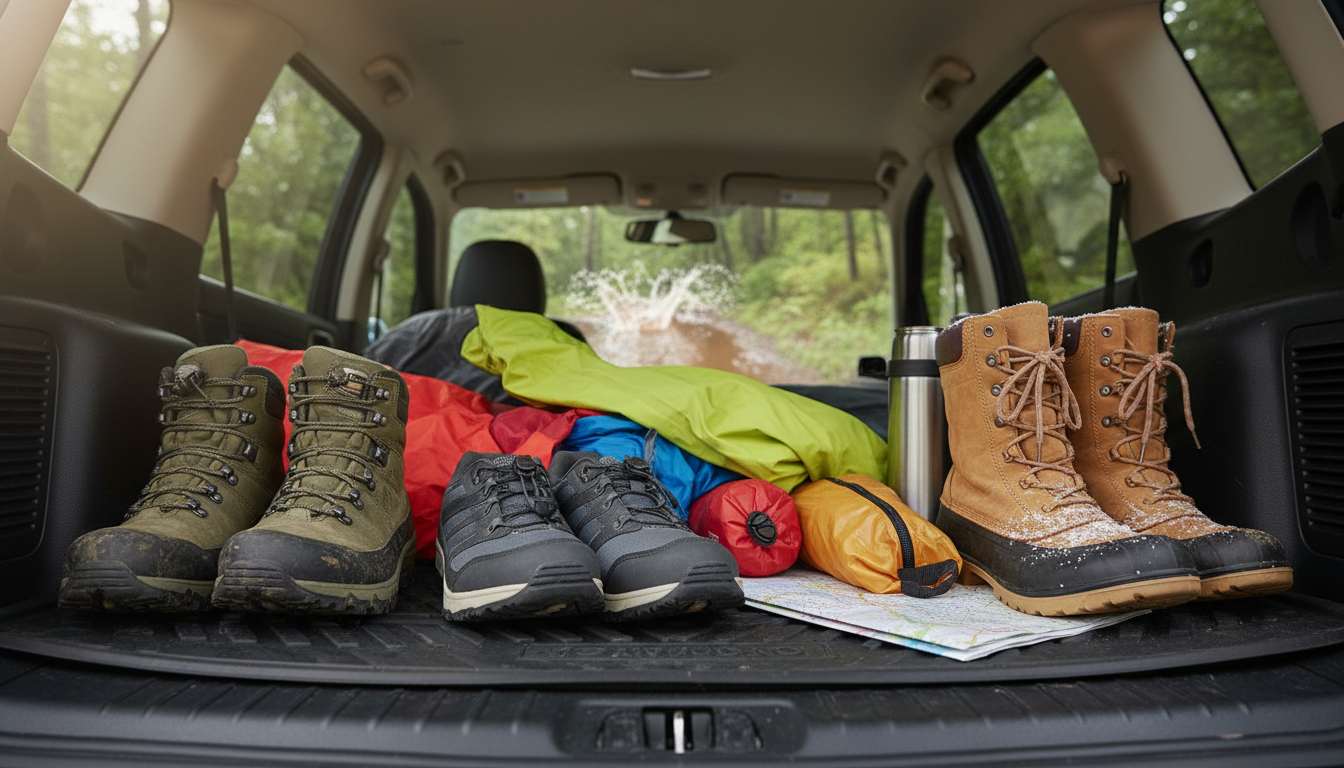
What women’s shoes are waterproof?
Women’s shoes are considered waterproof when the upper, seams, and closure system are built to keep water out—not just resist a quick splash. The most reliably waterproof options include rain boots, waterproof hiking boots, waterproof winter boots, and select sneakers or slip-ons made with waterproof membranes. Materials, construction, and labeling matter: “waterproof” typically indicates a sealed system, while “water-resistant” usually means light protection only.
Waterproof rain boots
Rain boots are the most straightforward choice because they’re often made from molded rubber or PVC with minimal seams. Look for a tall shaft if you’ll be walking through puddles, and choose a treaded outsole for wet sidewalks. Comfort features like cushioned insoles and breathable linings help for longer wear.
Waterproof hiking boots and trail shoes
Many hiking boots (and some trail shoes) use waterproof-breathable membranes such as GORE-TEX or similar technologies. These are designed for wet trails and variable conditions while still offering traction and support. For true waterproof performance, check for gusseted tongues and sealed seams so water can’t sneak in through lace openings.
Waterproof winter boots
Winter boots labeled waterproof are built to handle slush and melting snow. The best pairs combine a waterproof outer, sealed seams, and insulation, along with a lugged sole to reduce slipping. Pay attention to the cuff height—low-cut winter shoes can still let water in during deeper snow.
Waterproof sneakers and casual shoes
Some everyday sneakers and slip-ons are offered in waterproof versions, often with treated uppers or internal membranes. These can work well for commuting in the rain, but fit is important: a snug collar and solid tongue construction help prevent water entry from above.
For a deeper breakdown of materials, construction details, and what to look for on labels, visit https://spiritine.com/blog/what-women-s-shoes-are-waterproof/.
FAQ
What’s the difference between waterproof and water-resistant shoes?
Waterproof shoes are designed to block water entry using membranes, sealed seams, or molded construction. Water-resistant shoes typically repel light moisture but can soak through in steady rain or standing water.














Leave a comment