Help Kids Avoid Social Media Addiction: Parent Steps
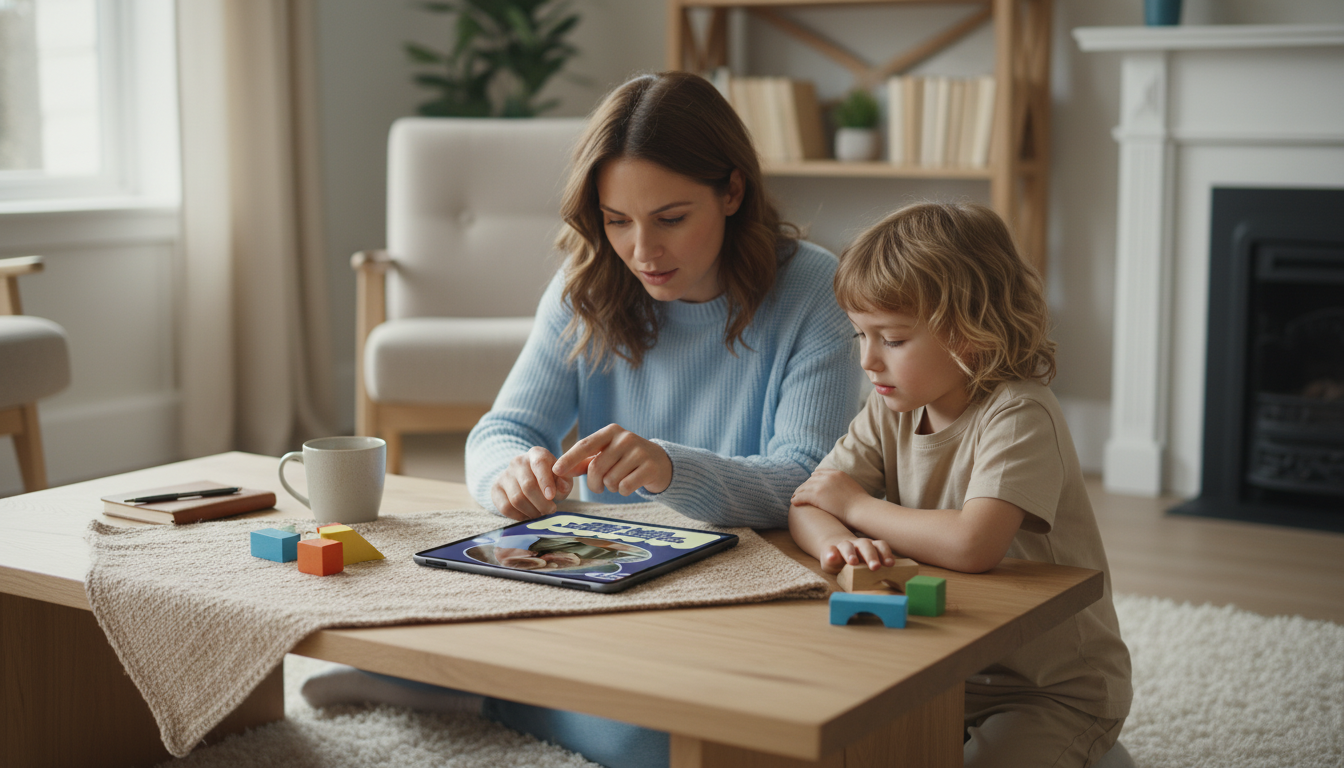
What should parents do to prevent their children from not being addicted to social media?
Prevention starts with connection, not control. Kids are far less likely to lean on social media for validation or escape when they feel understood, supported, and confident offline. Parents can lower the risk of addiction by setting clear boundaries, modeling healthy habits, and keeping communication calm and consistent.
Set simple, enforceable boundaries early
Create a short family media plan that covers where devices charge at night (ideally outside bedrooms), when social media is allowed, and what comes first (sleep, homework, chores, family time). Consistency matters more than strictness—rules that are predictable are easier for kids to follow.
Teach skills, not just rules
Help kids recognize what platforms are designed to do: keep users scrolling. Talk about algorithms, streaks, likes, and endless feeds in an age-appropriate way. Encourage “pause and check” habits—How do I feel after 10 minutes? Am I choosing this, or is it choosing me?
Keep the relationship strong with calm conversations
When parents only bring up social media during conflict, kids get defensive and hide usage. Aim for regular, low-pressure check-ins: what they enjoy, what stresses them out, and what they’re seeing. For practical conversation starters and a step-by-step approach, read this parent guide on calm social media talks with kids.
Model the behavior you want to see
Kids notice when adults say “get off your phone” while scrolling at the table. Try shared norms like “no phones during meals” or “screens down during conversations.” Small visible changes from parents can reduce power struggles and increase buy-in.
Build an “offline buffer”
Social media fills gaps: boredom, stress, loneliness. Make sure kids have offline options they genuinely enjoy—sports, art, clubs, volunteering, time with friends, or family routines. Prioritize sleep and movement, since fatigue and stress make compulsive scrolling more likely.
Watch for warning signs and intervene early
Red flags include sleep disruption, irritability when not online, slipping grades, withdrawing from friends, and hiding accounts. If these show up, tighten boundaries, increase support, and consider talking with a pediatrician or licensed therapist.
FAQ
How can I tell if my child’s social media use is becoming a problem?
Look for loss of control (can’t stop), mood changes when access is limited, sleep problems, declining school performance, or withdrawing from offline activities. Secrecy and repeated rule-breaking are also common signals.
















Leave a comment