Bagatelle: The Original Old-School Pinball Game
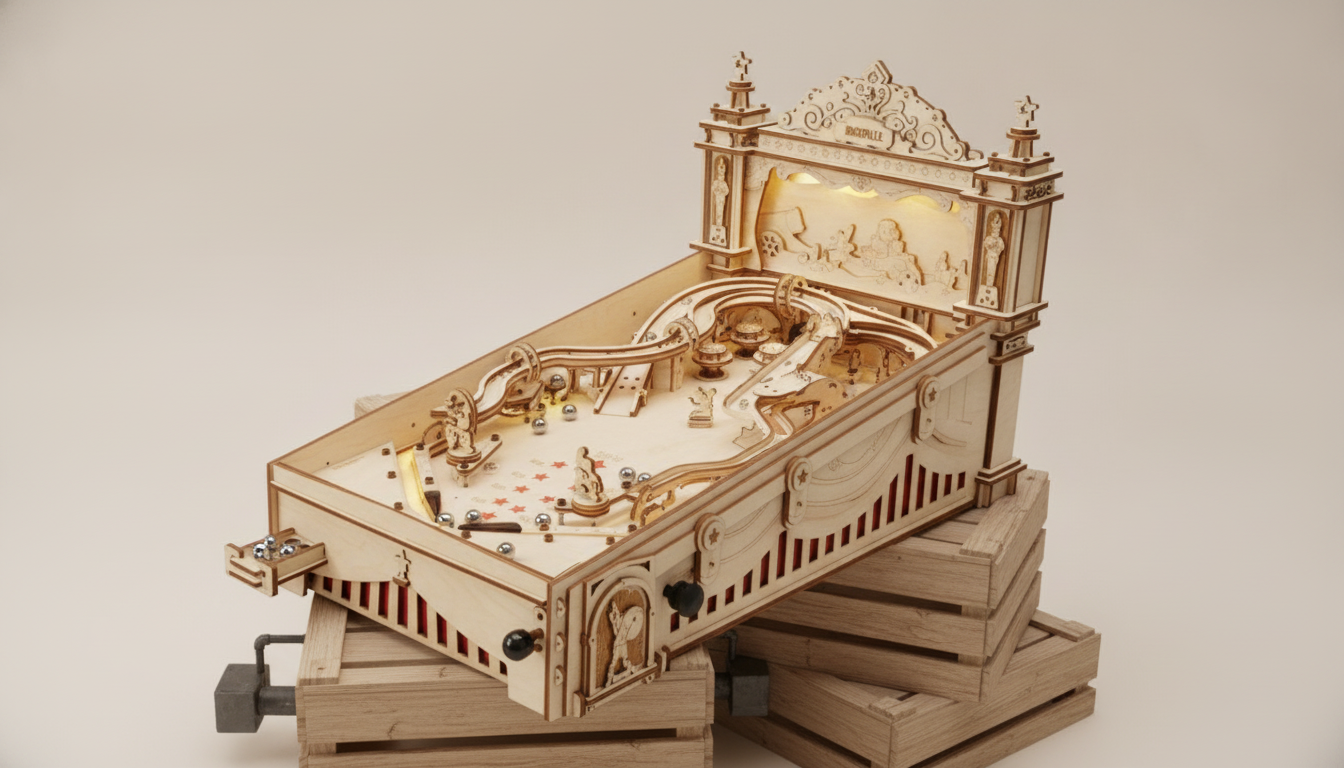
What is the old game of pinball called?
The oldest form of what most people now call “pinball” is commonly referred to as bagatelle. Long before electric lights, flippers, and score displays, bagatelle was a tabletop game where a player launched a ball and tried to land it in scoring holes or pockets using pins and angled surfaces. Over time, that basic idea evolved into coin-operated arcade games and, eventually, modern pinball machines.
Another name that often comes up in the early history is pin game (or “pinball game”), a broad term used for pre-flipper machines that relied on gravity, bumpers, and pins rather than active player-controlled flippers. These early machines set the stage for the faster, more skill-based pinball most people recognize today.
Where did the name “pinball” come from?
The term “pinball” is tied to the gameplay itself: a ball bouncing and ricocheting around a field of pins, posts, and obstacles. Early machines emphasized the ball’s path through a dense arrangement of pins, and the name stuck even as the design changed. Once electromechanical features and later solid-state electronics arrived, “pinball” became the umbrella term for the entire category, including classic and modern machines.
How did old pinball differ from today’s machines?
Early pinball-style games were often smaller tabletop designs and relied heavily on chance and careful ball launching. Many pre-flipper machines didn’t let players “save” the ball the way flippers do, so outcomes could feel more like a mix of skill and luck. Modern pinball introduced flippers, more complex rules, ramps, and multiball features that make play more interactive and strategic.
For a deeper look at the terminology and how these games developed over time, visit https://spiritine.com/what-is-the-old-game-of-pinball-called/.
FAQ
What is bagatelle?
Bagatelle is an early tabletop ball-and-pin game where players launch a ball onto a board and score by landing it in specific holes or pockets. It’s widely considered a key ancestor of modern pinball.
















Leave a comment