Best Ultralight Camping Tent: How to Choose the Right One
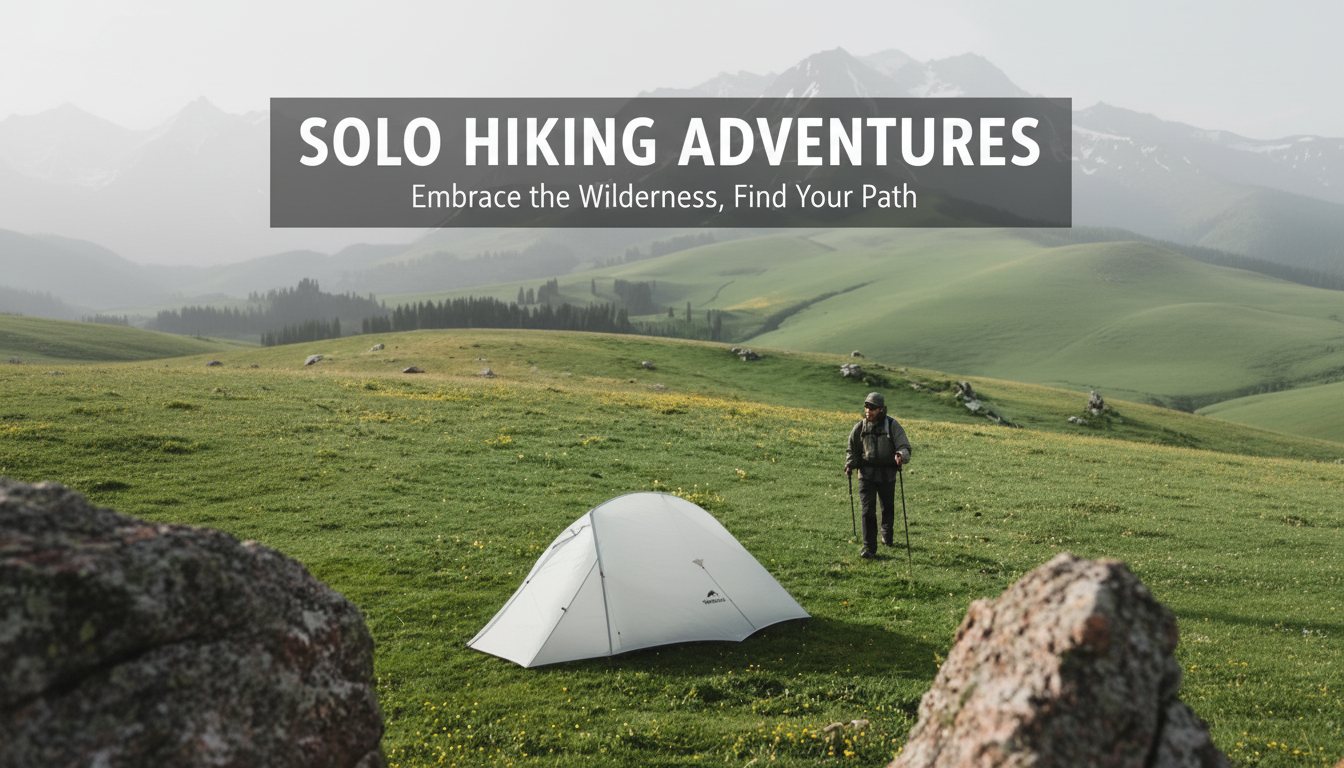
What is the best tent for ultralight camping?
The best tent for ultralight camping is the one that hits the right balance of weight, weather protection, and livable space for your specific trips. For most backpackers, that means a shelter that’s light enough to disappear in your pack, reliable in wind and rain, and sized so you can actually sleep well after a long day.
Start by choosing the style that matches your priorities. Trekking-pole tents are often the lightest option because they skip dedicated poles, but they require compatible trekking poles and solid stake-outs. Freestanding and semi-freestanding tents can be faster to pitch on rocky or hard-packed sites, usually at a small weight penalty. If you hike in buggy areas, make sure you’re getting full insect protection (not just a tarp).
Key features that matter most
Minimum weight vs. packed weight: Minimum weight can exclude stakes, stuff sacks, and pole/repair kits. Packed weight is what you actually carry—compare that number when shopping.
Floor space and peak height: Ultralight shouldn’t mean cramped. A little extra width can prevent your quilt from brushing wet walls, and a bit more height makes changing clothes far easier.
Weather performance: Look for a full-coverage rainfly, a bathtub floor, and strong guylines for wind. Ventilation (peak vents, double-wall designs, or well-placed mesh) helps reduce condensation.
Ease of setup: Simple pitch patterns save time in bad weather. Color-coded corners, fewer stakes, and intuitive tensioning are small details that add up.
How to pick the right capacity
If you’re between sizes, consider sizing up for comfort—especially on longer trips or in wet climates where you’ll spend more time inside. Solo hikers often prefer a 2-person ultralight tent for extra room, while two hikers may want a true two-person cut with practical vestibule storage.
For a deeper breakdown of top considerations and how to match a shelter to your terrain, season, and packing style, see the full guide here: https://spiritine.com/what-is-the-best-tent-for-ultralight-camping/.
FAQ
How do I reduce condensation in an ultralight tent?
Pitch in a breezy spot when possible, keep vents open, and avoid setting up right next to water. A taut pitch and leaving a small gap at the fly edge can also improve airflow and cut down on moisture buildup.












Leave a comment