Men’s Swim Short Inseam: Best Length for Swim vs Casual
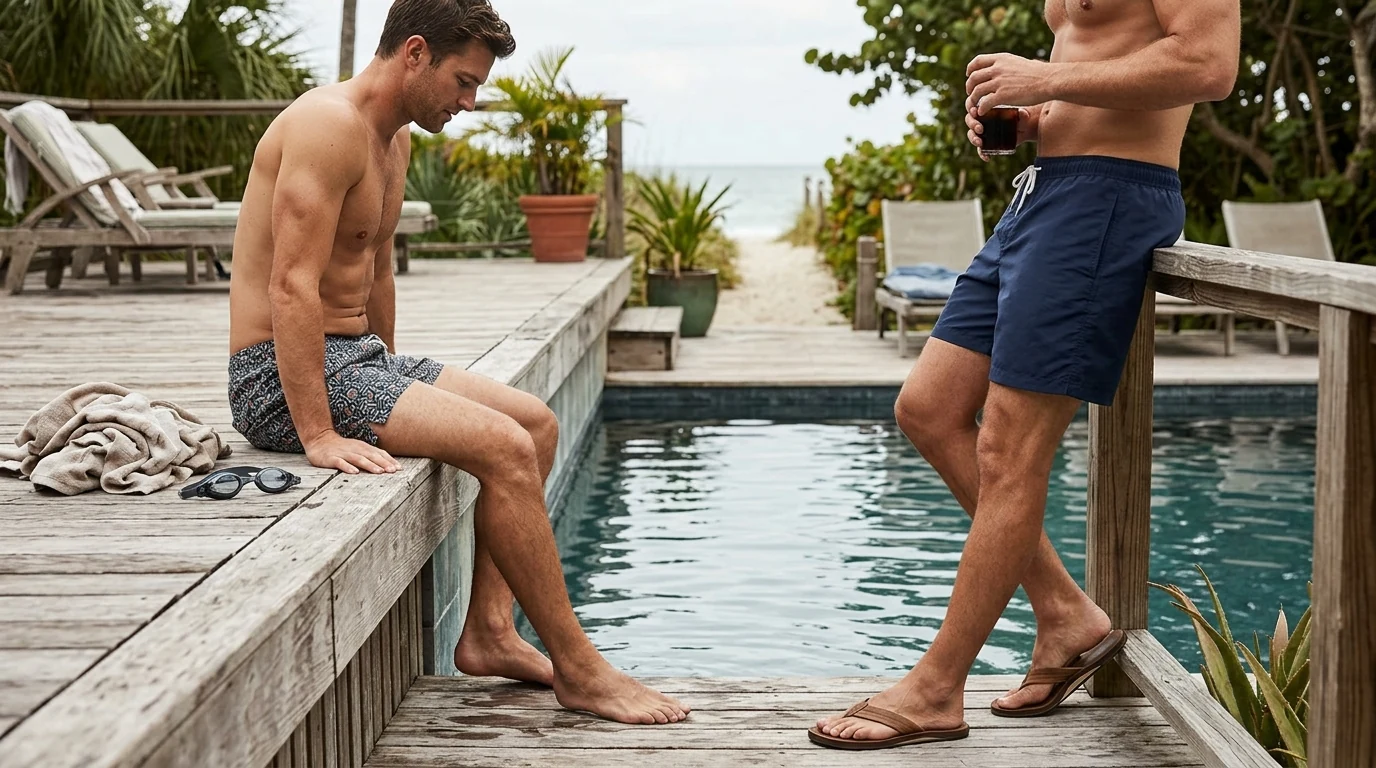
What inseam length is best for men’s swim shorts for swimming vs casual wear?
The best inseam depends on what you’ll do most: active swimming, mixed beach days, or casual wear off the sand. Inseam changes how freely you can kick, how much fabric drags in the water, and how the shorts look with everyday outfits.
Best inseam for swimming (lap swimming, ocean swims, active water sports)
For swimming performance, a shorter inseam—typically 3 to 5 inches—is the most practical. Less fabric means less resistance in the water and fewer chances the hem rides up or balloons when you push off, dive, or tread. If you’re doing anything athletic (surfing, paddleboarding, beach volleyball followed by quick dips), 5 inches is a common “sweet spot” that still feels streamlined without being too brief.
Best inseam for casual wear (boardwalk, brunch, travel, lounging)
For casual wear, 6 to 8 inches tends to look more like a standard short and provides a bit more coverage when you’re sitting, walking, or pairing swim shorts with a tee or button-down. This range also works well if you prefer a relaxed silhouette or want shorts that transition easily from pool to errands without feeling too sporty.
How to choose between the two (quick fit cues)
If you want a modern, versatile look that still swims well, aim for a 5 to 7-inch inseam. As a visual guide, hems that hit mid-thigh read sportier and swim-ready, while hems closer to the knee read more casual but can feel heavier in the water. Also consider leg shape: shorter inseams can feel freer on larger thighs, while longer inseams can reduce chafing for some wearers when walking.
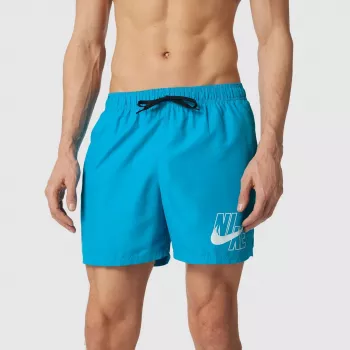
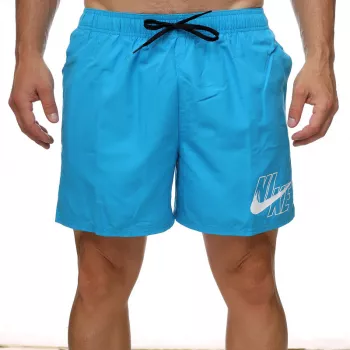
For more details on dialing in fit, comfort, and styling, visit the full guide: https://spiritine.com/guide-nike-mens-light-blue-swim-shorts-fit-care-style/.
FAQ
Do men’s swim shorts shrink in the wash?
Some can shrink slightly, especially if they’re dried on high heat. To minimize shrinkage, rinse after swimming, wash cold, and air-dry or tumble dry low.














Leave a comment