Best Gaming Mouse DPI: 800–1600 Sweet Spot by Game
What dpi is best for a gaming mouse?
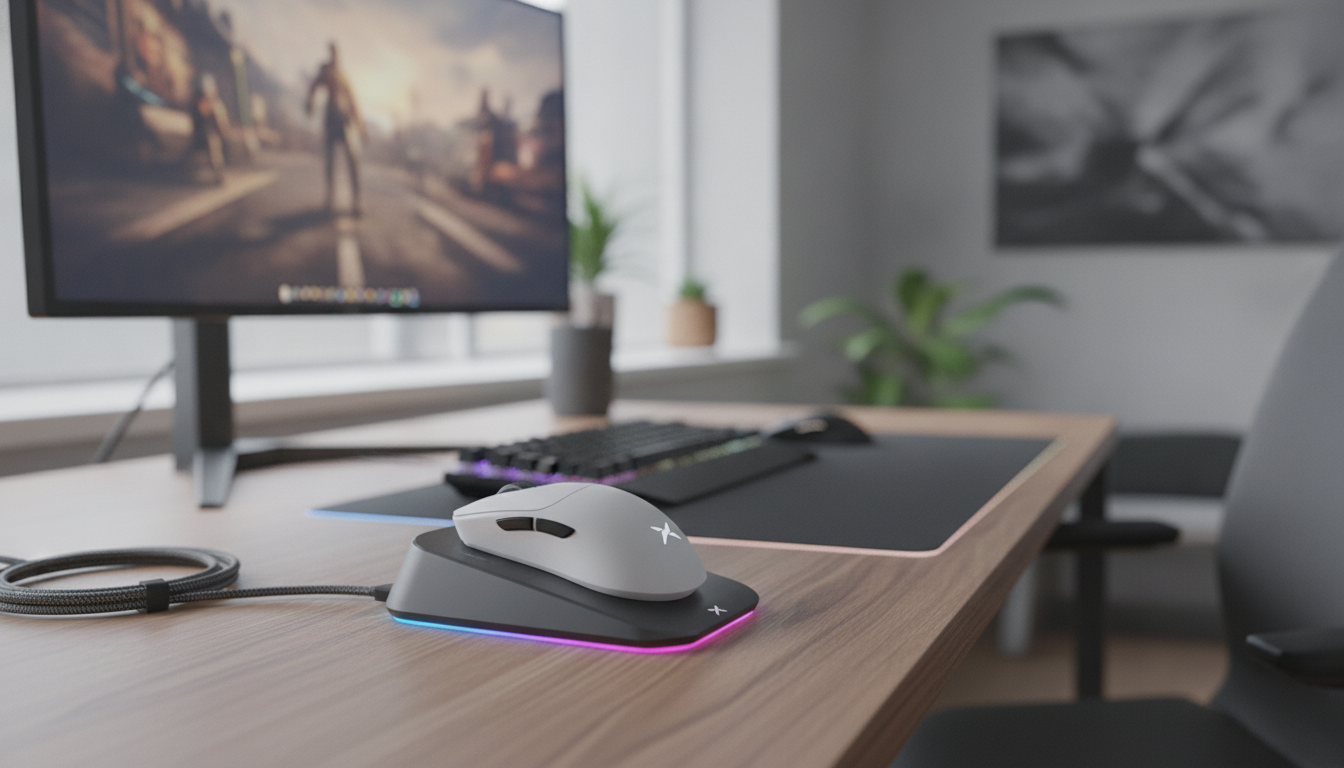
The best DPI for a gaming mouse depends on your game type, screen resolution, and how far you like to move your hand. For most players, a practical “sweet spot” lands between 800 and 1,600 DPI because it’s easy to control, works well across common sensitivities, and doesn’t amplify small hand jitters.
Recommended DPI ranges by game
FPS and tactical shooters: 400–800 DPI is a popular baseline for steadier aim and smoother micro-adjustments, especially when paired with lower in-game sensitivity. Battle royale and fast shooters: 800–1,600 DPI can feel more responsive for quick turns without becoming overly twitchy. MOBA/MMO and general gaming: 1,200–2,400 DPI is often comfortable for frequent cursor movement and ability targeting.
Match DPI to your monitor
Higher resolutions typically benefit from slightly higher DPI. On a 1080p display, 800–1,600 DPI usually feels natural. On 1440p, many players prefer 1,200–2,000 DPI. On 4K, 1,600–3,200 DPI can reduce excessive arm travel, though it may require lowering in-game sensitivity to keep precision.
Keep one DPI and adjust sensitivity
Constantly switching DPI can disrupt muscle memory. A cleaner approach is to pick one main DPI (like 800 or 1,600), then tune in-game sensitivity until turns and tracking feel consistent. If your mouse supports multiple profiles, reserve higher DPI for desktop use and keep gaming DPI stable.
For a deeper walkthrough on DPI settings, high polling rates, and setup tips for modern wireless gaming mice, visit this gaming mouse DPI and setup guide.
For Best Gaming Mouse DPI: 800–1600 Sweet Spot by Game, the best answer depends on fit, material, care instructions, and how the product will be used day to day.
FAQ
Does polling rate matter more than DPI for gaming?
Polling rate affects how often your mouse reports movement to your PC, which can reduce input latency. DPI determines how far the cursor moves per inch of physical movement, so both matter; polling rate is about responsiveness, DPI is about control and speed.















Leave a comment