Triple Bunk Bed Age Guide: Best Ages for Each Level
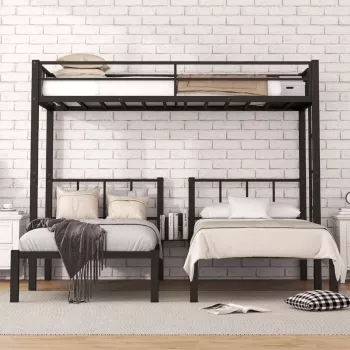
What age is a triple bunk bed for?
A triple bunk bed is typically best for school-age kids and teens, with most families starting around age 6 for the middle or lower bunks. The top bunk is generally safer for older kids—often 8+—because it requires better balance, stronger climbing skills, and more consistent rule-following at night.
That said, age is only part of the decision. Height, maturity, and sleep habits matter just as much, especially in a triple setup where movement on one level can affect the others.
Recommended ages by bunk level
Bottom bunk: Commonly appropriate for younger kids who have transitioned from a toddler bed (often 4–6+), especially if the bed is low to the ground and easy to access.
Middle bunk (if stacked three-high): Usually a good fit for kids around 6–10+, depending on ladder design, guardrails, and how confidently the child climbs.
Top bunk: Most safety guidance favors older children (often 8+). The top level should have full-length guardrails and a sturdy ladder, and the sleeper should be able to climb down safely even when groggy.
Safety and room considerations that affect the “right” age
Triple bunks place sleepers higher than standard bunk beds, so ceiling height matters. Leave enough clearance so the top sleeper can sit up without hitting the ceiling or a fan. Also consider who gets up at night for the bathroom—kids who are heavy sleepers or prone to nighttime wandering usually do better on the lower levels.
Check the manufacturer’s weight limits for each bunk and use the correct mattress thickness so guardrails remain effective. Establish clear rules: no jumping, no horseplay on ladders, and only one person on the ladder at a time.
For more detailed guidance on choosing and using a triple bunk safely, visit https://spiritine.com/what-age-is-a-triple-bunk-bed-for/.
FAQ
How tall should a room be for a triple bunk bed?
Ideally, the room should allow the top sleeper to sit up comfortably without contacting the ceiling, lights, or ceiling fan. Measure from the floor to the top bunk mattress surface and aim for ample head clearance above that point.
















Leave a comment