Prada Leather Loafer Fit: Heel Hold & Toe Room
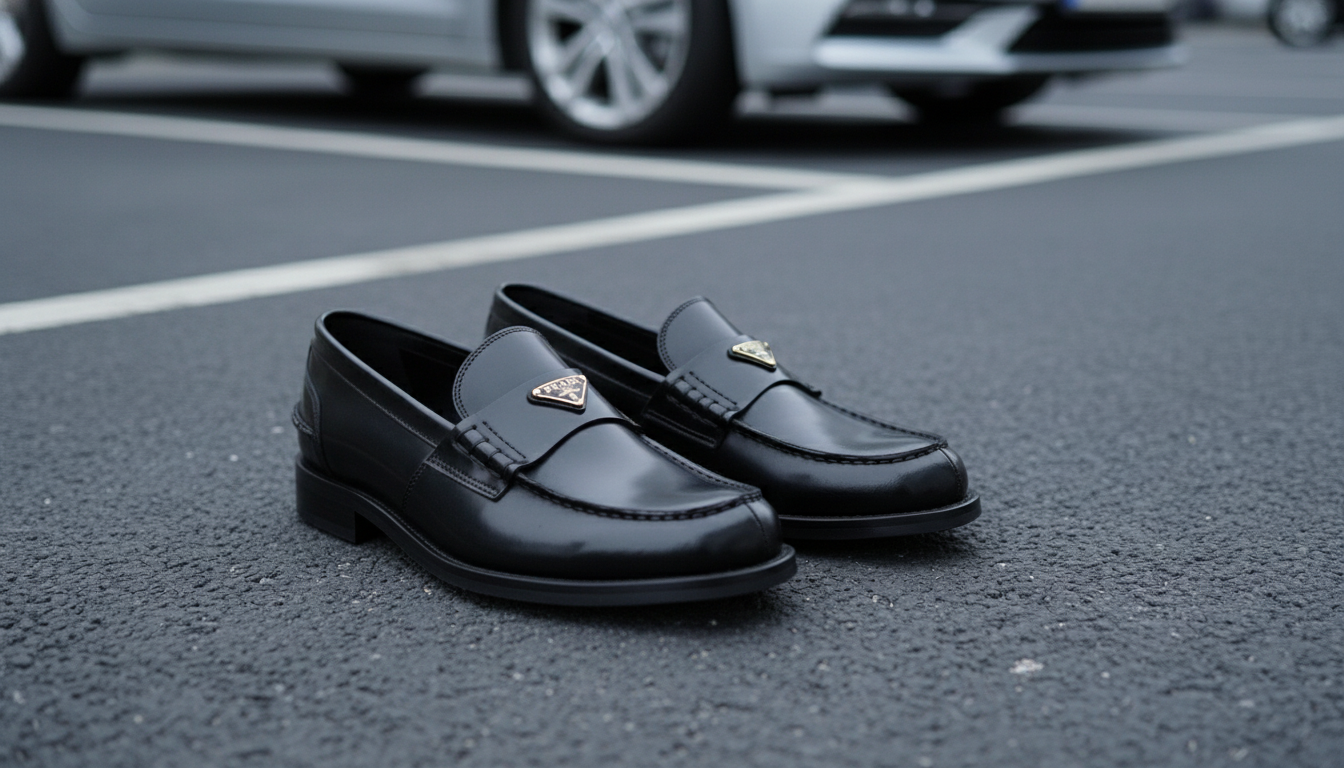
How should Prada leather loafers fit in the heel and toe box?
Prada leather loafers should feel secure at the heel without pinching, and roomy enough in the toe box to let your toes rest naturally. Because leather relaxes with wear, the goal is a fit that’s comfortably snug at first—especially around the heel and instep—while avoiding pressure points that won’t “break in” safely.
Heel fit: secure, minimal slip
In the heel, aim for a stable hold with only slight movement when you walk. A small amount of heel slip can be normal in brand-new leather loafers, particularly before the upper softens and molds to your foot. However, your heel shouldn’t lift dramatically or feel like it’s popping out with each step. If you’re clenching your toes to keep the shoe on, the heel (or overall size) is likely too big, or the vamp/instep volume isn’t right for your foot.
On the other hand, the heel should not rub aggressively from the first try-on. Persistent friction at the back of the heel usually indicates excessive slipping or a shape mismatch—both of which can lead to blisters quickly.
Toe box fit: free toes, no front pressure
In the toe box, your toes should have enough space to lie flat and wiggle slightly. Your longest toe shouldn’t press against the front of the loafer when standing. A good rule is a little breathing room at the tip, while the shoe still feels anchored at the midfoot. If you feel toe “crunching,” side pressure at the forefoot, or numbness, the toe box is too tight and unlikely to become comfortable through stretching alone.
Quick fit check before committing
Try them on later in the day (feet are slightly larger), walk on a hard surface, and pay attention to heel lift, toe clearance, and any hot spots. If you plan to wear socks, test with the socks you’ll actually use.
For a deeper sizing and fit breakdown, visit the full Prada loafer fit guide here.
FAQ
Do Prada leather loafers stretch over time?
Yes—leather typically softens and stretches slightly, especially across the vamp and width. Length changes very little, so don’t rely on break-in to fix toes hitting the front.















Leave a comment