Reflective Dog Harness Fit: Stop Rubbing & Chafing
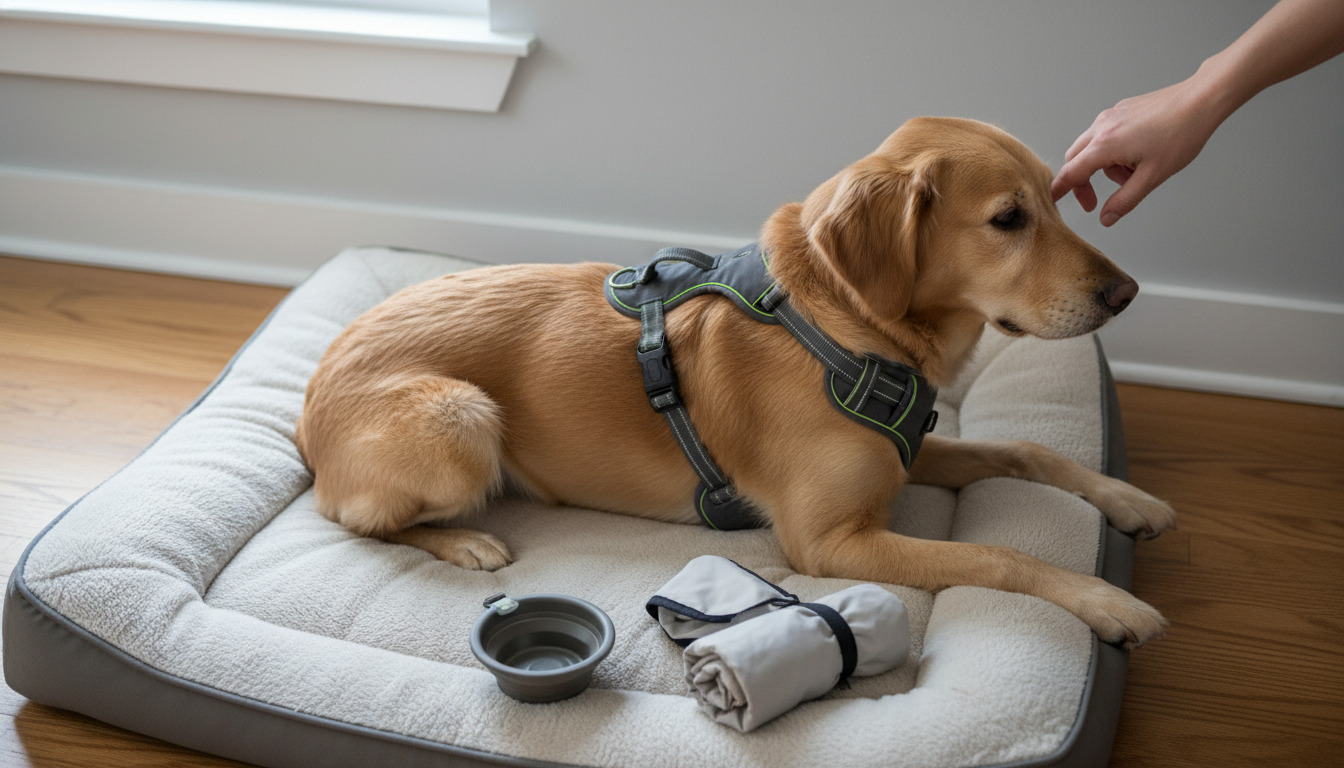
How should a reflective dog harness fit to prevent rubbing or chafing?
Start with the “two-finger” comfort check
A reflective dog harness should sit snugly against your dog’s body without pinching. A reliable rule is the two-finger test: you should be able to slide two fingers between the harness straps and your dog at the neck, chest, and girth straps. If you can’t fit two fingers, it’s too tight; if you can fit more than two easily or the harness shifts side to side, it’s too loose and may rub as your dog moves.
Keep the chest plate centered and stable
The front chest piece should lie centered on the breastbone, not pressing into the throat. When fitted correctly, your dog should be able to walk, turn, and sit without the harness riding up toward the neck. A harness that creeps upward can create friction at the armpits and along the shoulder line.
Protect the armpit area (where chafing happens most)
Straps should sit behind the front legs with visible clearance from the “armpit” crease. If a strap crosses too close to that joint, every step can grind the material against skin and short fur. After fitting, watch your dog take a few steps: the straps should stay in place without brushing into the leg’s natural swing.
Adjust evenly, then test on a short walk
Make small, balanced adjustments on both sides so the harness stays symmetrical. After a 5–10 minute walk, check for early warning signs: ruffled fur, warm spots, pink skin, or dampness under the straps. These can signal movement-related rubbing even if the harness felt fine standing still.
Choose comfort-focused details
To reduce friction, look for smooth edges, soft padding, and hardware that doesn’t press into the body. Keep fur clean and dry under the harness, and remove the harness at home to let the skin breathe. For more fit guidance and troubleshooting, visit the main article.
FAQ
How do I know if my dog’s harness is causing irritation?
Check the skin after walks for redness, thinning fur, or tender spots—especially behind the front legs and along the chest. If your dog scratches at the harness area, slows down, or seems reluctant to be harnessed, adjust the fit and reassess.
















Leave a comment