Plan Weekly Outfits Fast: Simple Mix-and-Match System
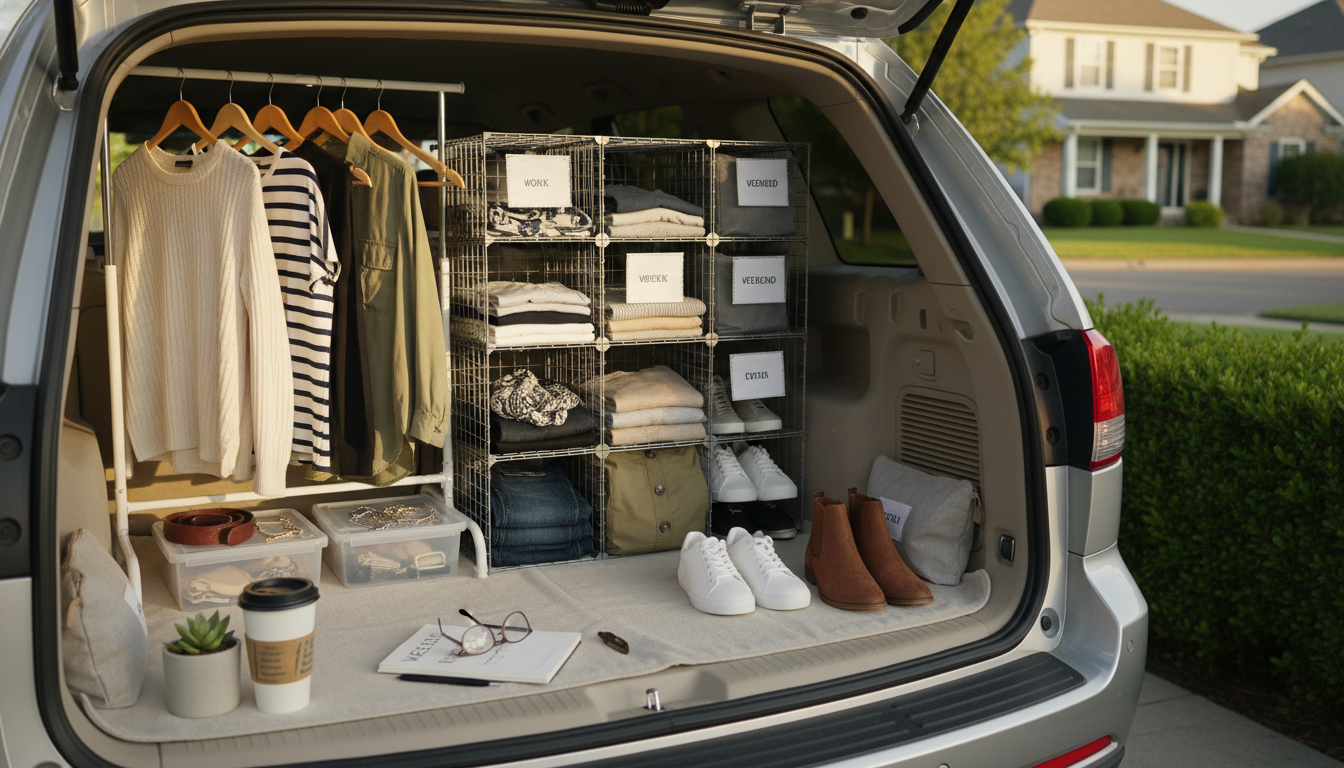
How do I plan outfit combinations for the week without overthinking?
Keep it simple by planning around repeatable building blocks, not brand-new looks every day. Start with a quick scan of your calendar and the weather, then choose a small “mini-capsule” of pieces that mix easily. The goal is to make five outfits from a handful of items, so you’re deciding once instead of re-deciding daily.
Answer
1) Pick a weekly base palette. Choose 2 neutrals (like black and denim, or navy and tan) plus 1 accent color. When everything fits a tight palette, almost any top can pair with any bottom without mental math.
2) Choose 2–3 bottoms first. Bottoms anchor outfits and are harder to swap than tops. Select two everyday options (jeans, trousers, skirt) and one comfort option (leggings, wide-leg pants). That alone can generate most of the week’s variety.
3) Add “top layers” in threes. Grab three tops that work with all chosen bottoms: one casual (tee/knit), one elevated (button-down/blouse), and one cozy (sweater). If any top only works with one bottom, it’s a sign to skip it for this week.
4) Use a simple formula for each day. Rotate a repeatable template like: top + bottom + layer + shoes. Lock shoes into two pairs (one casual, one dressier) to reduce decision fatigue and keep outfits cohesive.
5) Pre-pack “finishers.” Set aside one belt, one bag, and two pieces of jewelry that match the palette. Finishers make repeat pieces look intentional without needing a new outfit idea.
6) Leave two flex spots. Plan three “sure-thing” outfits and keep two days open for mood, laundry, or surprise plans. This prevents the plan from feeling too rigid—and keeps you from spiraling if one outfit doesn’t happen.
For a deeper step-by-step approach and examples, visit the full guide on Spiritine.
FAQ
How can I make fewer clothes feel like more outfits?
Limit your week to a tight color palette, then swap only one element at a time (shoes, layer, or accessory). Repeating the same bottom with different tops and a new layer creates variety without adding complexity.










Leave a comment