Stop the Pacifier at Age 2: A Calm, Consistent Plan
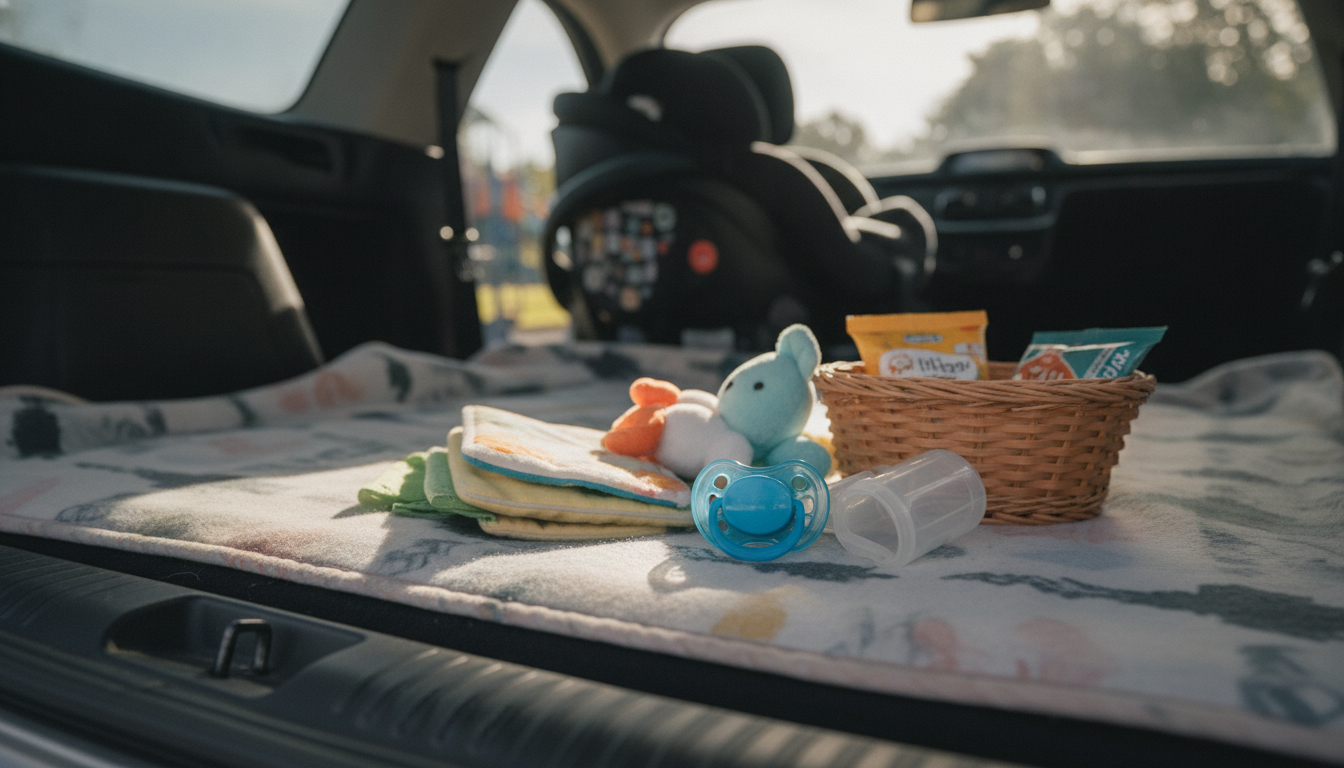
How do I get my 2 year old to stop taking a pacifier?
At age 2, many toddlers use a pacifier for comfort, especially at bedtime or during transitions. The most effective approach is usually a calm, predictable plan that replaces the pacifier with new soothing routines—without turning it into a power struggle.
1) Pick a realistic goal (nights only or fully done)
If your child uses a pacifier all day, start by limiting it to sleep and the car seat. If it’s already mostly a bedtime habit, focus on removing it at naps and nights with a simple, consistent rule: “Pacifier is all done.”
2) Set a date and talk about it ahead of time
Give a short heads-up: “In three sleeps, we’ll say bye-bye to the pacifier.” Toddlers do better with concrete timelines and repetition. Keep the explanation simple: “Big kids’ mouths grow strong without pacifiers.”
3) Use a “bye-bye” ritual that feels positive
Many families have success with a pacifier “send-off” (boxing them up, trading them for a small comfort item, or “donating” to a new baby). The goal is closure, not negotiation—once it’s gone, it stays gone.
4) Replace the soothing, not just the object
Add comforting substitutes: a lovey, a special blanket, a bedtime story routine, a nightlight, or a short lullaby. Offer extra cuddles the first few nights and praise effort: “You fell asleep without it—great job.”
5) Expect a tough 2–4 nights and stay consistent
Some protesting is normal. If you return the pacifier “just this once,” the habit often resets. Stay calm, keep bedtime steady, and use the same phrases each time.
For more detailed tips and step-by-step strategies, read the full guide here: https://spiritine.com/how-do-i-get-my-year-old-to-stop-taking-a-pacifier/.
FAQ
What can I give my toddler instead of a pacifier at night?
Try a comfort object (lovey or blanket), a bedtime story routine, and a consistent calming cue like a lullaby or gentle back rub. If your child likes oral soothing, a straw cup of water at bedtime can help with the transition.
















Leave a comment