Simple Color Palette: Build Cohesive Outfits Daily
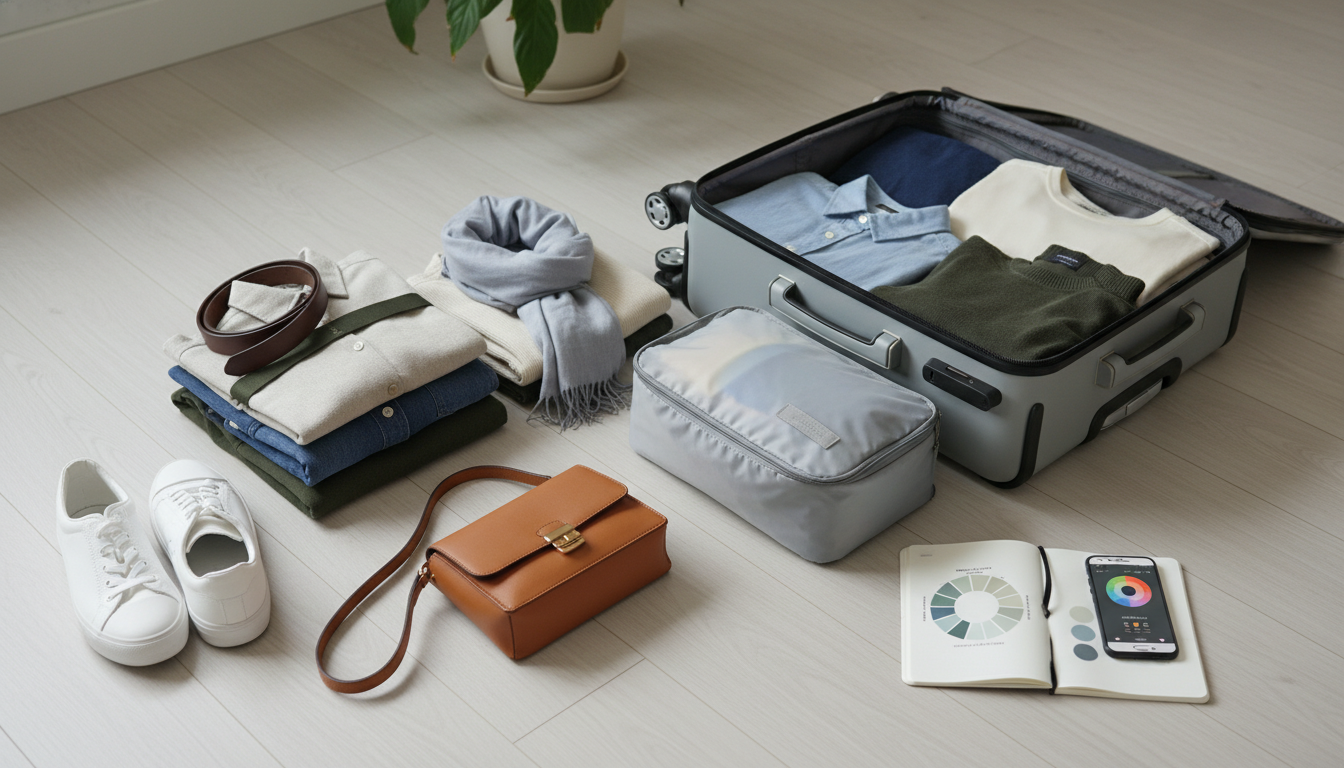
How do I choose a simple color palette so my outfits look cohesive every day?
A simple color palette is a small set of shades that all work together, so getting dressed feels more like mixing-and-matching than starting from scratch. The easiest way to build one is to start with neutrals you actually wear, add one or two supporting tones, then choose a single accent color that makes your outfits feel like you.
1) Start with 2–3 dependable neutrals
Pick neutrals that match your lifestyle and the colors you already own: black, navy, charcoal, gray, taupe, beige, cream, or white. Aim for two “base” neutrals (like navy and cream) plus one optional third (like gray). Neutrals will cover most of your pants, outerwear, shoes, and bags, so choose ones you’re happy to repeat often.
2) Add 1–2 supporting colors that blend easily
Supporting colors are the bridge between neutrals and your accent. Think muted, wearable shades like olive, denim blue, rust, burgundy, or dusty pink. If you’re unsure, choose supporting colors that already show up in your favorite patterns (stripes, plaid, florals) so everything connects naturally.
3) Choose 1 accent color for personality
Your accent is the “pop” used in smaller doses: tops, scarves, jewelry, sneakers, or a bag. Pick one color you enjoy seeing often and that complements your neutrals. Limiting accents to one keeps outfits cohesive even when you mix different pieces.
4) Use a simple ratio to keep outfits balanced
A reliable formula is 70% neutrals, 25% supporting color, 5% accent. This prevents outfits from feeling busy while still looking intentional.
5) Build a quick compatibility check
Lay out 8–12 items you wear weekly. If most pieces can pair with at least three others (without looking “off”), your palette is working. For a deeper walkthrough and examples, see the full guide here.
FAQ
How many colors should be in a capsule wardrobe palette?
A practical range is 3–5 total colors: 2–3 neutrals, 1–2 supporting colors, and 1 accent. This is enough variety to avoid boredom while keeping everything easy to combine.













Leave a comment