Balance Outfit Proportions: Top vs Bottom Styling Tips
How do I balance proportions (top and bottom) to make an outfit look put-together?
Balancing proportions comes down to creating a clear shape: if one half of your outfit is roomy, keep the other half more defined. This contrast helps your look feel intentional instead of accidental, and it makes it easier to highlight your waistline, legs, or shoulders—whatever you want to emphasize.
Answer
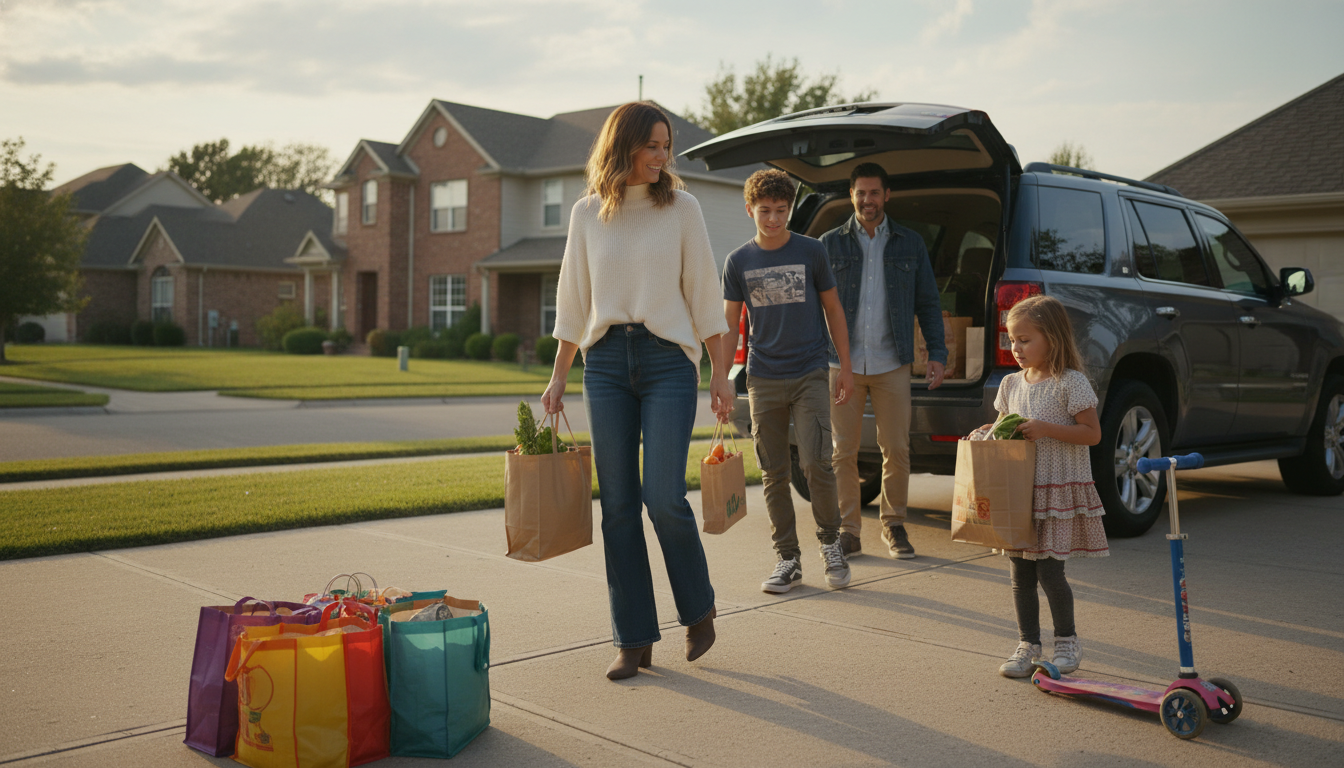
Start by deciding whether your outfit’s “volume” will live on top or on bottom. If you’re wearing a relaxed or oversized top (think boxy tee, chunky sweater, or a slouchy button-down), pair it with slimmer bottoms like straight jeans, leggings, a pencil skirt, or tailored trousers. If your bottoms are wide or flowy (wide-leg pants, full midi skirt, baggy jeans), choose a more fitted or structured top—ribbed knit, bodysuit, tucked-in tee, or a cropped jacket—to keep your silhouette from looking shapeless.
Use waist definition to look intentional
A simple tuck (full tuck, half-tuck, or French tuck) instantly signals “put-together.” Belts help even more, especially with high-rise pants or skirts. If you don’t want a tuck, try a shorter top layer (cropped denim jacket, fitted blazer) so your waist area still reads clearly.
Match rise and hemline for cleaner lines
High-rise bottoms generally pair best with tucked or shorter tops because they lengthen the legs. Longer tops work better with slimmer pants and a visible hemline break (like ankle jeans) so your outfit doesn’t become one long column. With skirts, watch where the hem hits: midi lengths often look sharp with a more fitted top and a defined waist.
Balance visually with shoes and layers
Chunky shoes add weight at the bottom, which can balance an oversized top. Sleeker shoes can refine wide-leg pants. Layers also help: a long cardigan over slim jeans elongates, while a cropped jacket over wide-leg pants gives structure.
For more outfit formulas and examples, visit the complete guide on balancing proportions.
FAQ
What should I do if both my top and bottom are oversized?
Add structure with a tuck, belt, or cropped outer layer, and keep at least one element sleek—like fitted shoes or a streamlined bag—to avoid an all-over “swallowed” effect.










Leave a comment