Outfit Planning: Style One Statement Piece, No New Buys
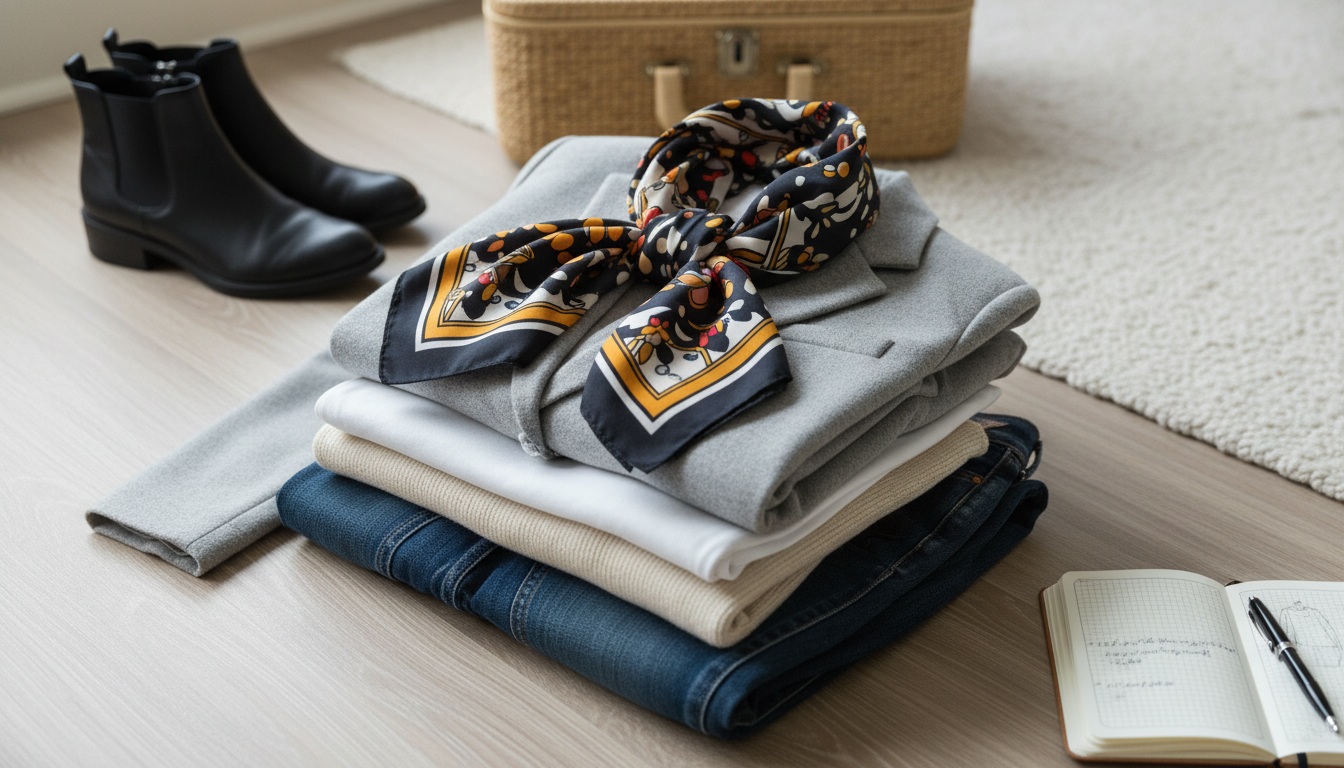
How can I plan outfits around one statement piece without buying extra clothing?
Start by choosing the “anchor” role
Decide what job your statement piece will do: add color, create structure, or bring in texture. When the piece has a clear role (a bold blazer, metallic skirt, graphic boots, or a standout bag), everything else can stay simple and familiar—think solid tees, classic denim, neutral knits, and basic shoes you already own.
Build a quick “capsule” from your closet
Pull 8–12 basics you already reach for: two bottoms, two tops, a layering piece, and two shoe options. Keep the colors quiet (black, white, denim, beige, gray) so the statement item always looks intentional. This makes outfit planning feel like mix-and-match instead of starting from scratch each time.
Use the “repeat and rotate” formula
Wear the statement piece multiple times, but rotate one element per outfit: swap the base color (white tee vs. black turtleneck), change the silhouette (wide-leg pants vs. straight jeans), or switch the vibe (sneakers for daytime, heeled boots for night). Repetition is what makes a standout item feel like part of your wardrobe, not a one-off.
Balance the volume and the shine
If the statement piece is oversized (an exaggerated coat or wide-leg trousers), keep the rest fitted or streamlined. If it’s glossy or sequined, pair it with matte textures like cotton, denim, or wool. One focal point is enough—let everything else support it.
Finish with low-effort styling tricks
Tuck, half-tuck, cuff sleeves, or add a belt you already own to change proportions without buying anything. Even a simple hairstyle change or switching to a different bag strap length can make the same core pieces feel fresh.
For more outfit-mapping ideas and examples, visit the main guide.
FAQ
How do I make a statement piece work for both casual and dressy occasions?
Keep the statement item the same and change the supporting cast: sneakers and denim for casual, or sleek shoes and a structured layer for dressy. Small upgrades like a crisp tuck and polished accessories can shift the mood fast.









Leave a comment