Year-Round Car Maintenance Checklist for Every Season
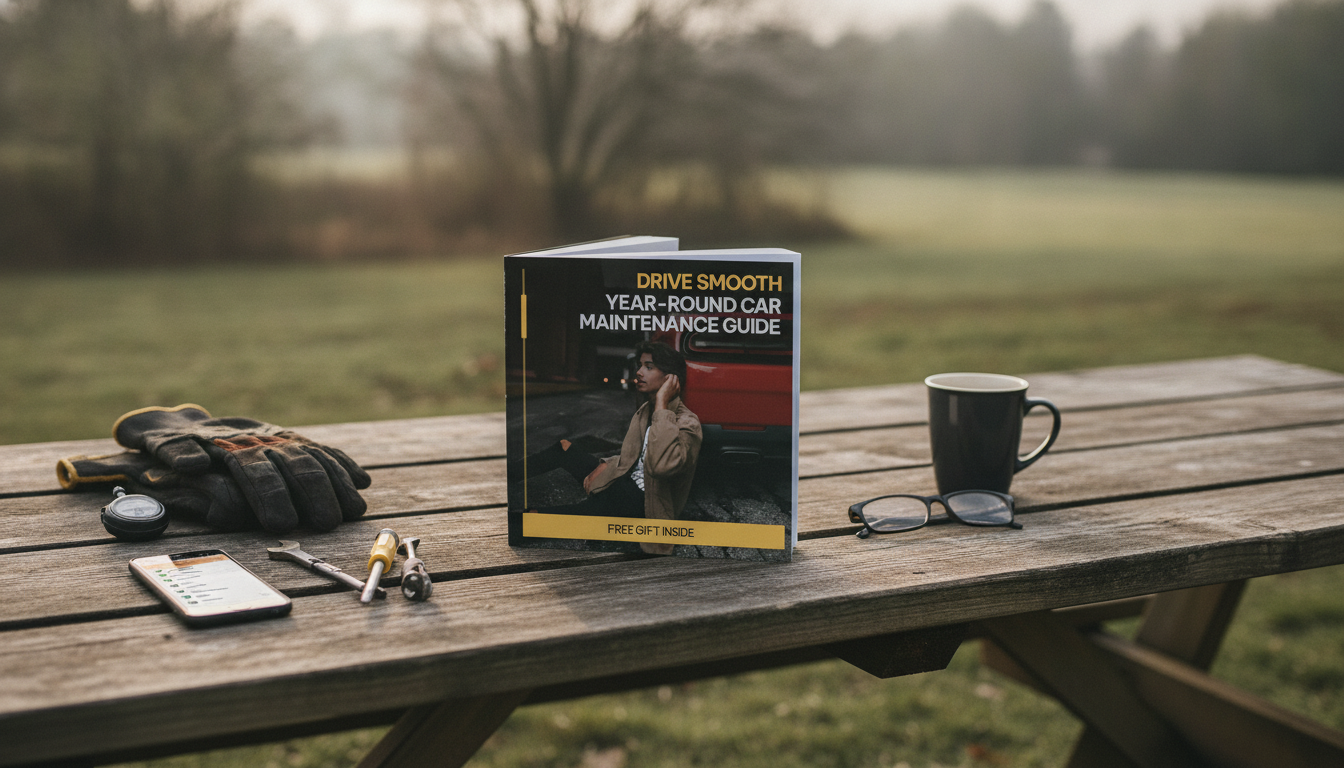
Drive Smooth: A Year-Round Car Maintenance Plan for Every Season
A reliable car care routine changes with the weather. Heat, cold, rain, road salt, and long holiday drives all stress different systems—tires, battery, fluids, brakes, and visibility. A seasonal plan keeps the workload small and predictable, helps you catch issues early, and can extend the life of expensive components.
For general best practices and safety guidance, it helps to cross-check your routine with authoritative resources like NHTSA’s vehicle maintenance overview and FuelEconomy.gov maintenance tips.
A simple rhythm that keeps maintenance from piling up
The easiest way to stay consistent is to use three layers of routine, each with a clear purpose:
- Monthly walk-around checks for fast problem-spotting (tires, fluids, lights, wipers).
- Seasonal refresh tasks at each season change to address weather-specific stress (salt, heat, rain, freezing temps).
- Mileage-based services from your owner’s manual for wear items and fluids that age with use.
Track two triggers at the same time: time (months/seasons) and distance (miles). This prevents the common trap of “I don’t drive much, so I don’t need maintenance,” which can still lead to degraded fluids, dying batteries, and dry-rotted rubber.
Prioritize safety and downtime prevention first: tires, brakes, lights, wipers, battery health, and fluid levels. Then log what was done, when, and with what parts/fluids—useful for avoiding duplicate work and supporting resale value.
Your year-at-a-glance seasonal checklist
Treat each season change as a standing appointment: a 30–60 minute inspection that prevents many common surprises. Adjust for local climate—“winter” could mean snow and salt in one area, and weeks of heavy rain in another. If your car sits for long periods, add battery tender checks, tire pressure checks, and fuel stabilizer considerations.
Seasonal maintenance quick plan
| Season | Focus areas | Checklist highlights | Common warning signs |
|---|---|---|---|
| Spring | Post-winter recovery | Wash undercarriage; check brakes; inspect tires for uneven wear; top off washer fluid; replace wipers if streaking | Brake squeal; vibration; rust spots; low tire pressure after cold months |
| Summer | Heat protection | Test A/C performance; check coolant level/condition; inspect belts/hoses; confirm tire pressure when cold; check battery terminals | Overheating; weak A/C; cracked hoses; tire bulges |
| Fall | Prep for cold and rain | Battery test; check lights; replace wiper blades; inspect tread depth; verify heater/defrost; top off antifreeze mix | Slow starts; dim lights; poor defrost; hydroplaning feel |
| Winter | Traction and visibility | Consider winter tires; keep washer fluid rated for freezing; check tire pressure more often; inspect brakes; keep emergency kit | Longer stopping distances; wiper icing; battery struggles; ABS/traction warnings |
Monthly essentials: five minutes that prevents big repairs
- Tires: Check pressure when cold; look for nails, sidewall bubbles, and uneven wear (often an alignment or suspension clue).
- Fluids: Engine oil level, coolant overflow level, brake fluid level, washer fluid. If a fluid drops repeatedly, assume there’s a leak until proven otherwise.
- Lights and visibility: Headlights, brake lights, turn signals; wipers for streaking; windshield chips before they spread.
- Under-hood glance: Corrosion at battery terminals; cracked belts; wet spots near hoses and reservoirs.
- Listen and feel: New squeaks, grinding, pulling, vibration, or delayed starts—write down when it happens (cold start vs. hot, braking vs. cruising).
Mileage-based services that should not be seasonal
Some maintenance isn’t tied to the calendar—it’s tied to wear, heat cycles, and time-in-service. Use your owner’s manual as the rulebook, including any “severe service” schedule if you do short trips, towing, lots of idling, or drive in extreme temperatures.
- Oil and filter changes: Follow the specified interval and oil spec (viscosity and rating). Short trips can justify shorter intervals.
- Tire rotation and alignment checks: Rotate on schedule; align when wear looks uneven or after significant pothole impacts.
- Brake inspections: Pad thickness and rotor condition matter more than season; inspect at least once or twice per year.
- Cabin and engine air filters: Replace when restricted; signs include weak HVAC airflow or reduced fuel economy.
- Transmission, coolant, and brake fluid services: Use the correct fluid types and follow the manufacturer’s intervals.
Season-by-season deep dives
Spring: undo winter’s damage
Summer: focus on cooling, pressure, and UV
Fall: set up for rain and cold starts
Winter: traction, visibility, and battery resilience
Smart planning: turning a checklist into a system
If you want a structured, ready-to-use format that combines monthly checks, seasonal refresh tasks, and mileage-based services in one place, consider Drive Smooth: Year-Round Car Maintenance Guide and Smart AI Car Care Checklist. For frequent travelers, a practical add-on for organizing cables, documents, and essentials on the go is the Waterproof Anti-Theft Laptop Backpack with USB Charging Port – Fits 15.6″ Laptop.
Common mistakes that shorten vehicle life
FAQ
How often should tire pressure be checked during winter?
Check at least monthly and before long drives. Cold weather lowers tire pressure, so measure when the tires are cold and inflate to the door-jamb specification, not the number on the tire sidewall.
What should be inspected before a long road trip in hot weather?
Verify coolant level/condition, inspect hoses and belts, and ensure the A/C works consistently. Check tire pressure (cold), tread, and brakes, and confirm the battery is healthy; overheating warnings, sweet smells, or rising temperature gauges should be addressed before departure.
Is it better to follow time-based or mileage-based maintenance intervals?
Use both: mileage-based intervals track wear items, while time-based intervals account for fluid aging and rubber degradation. Follow the owner’s manual and use the severe-service schedule if you drive short trips, tow, idle often, or face extreme temperatures.

















Leave a comment