Use AI for Personal Style: Closet Workflow + 7-Day Reset
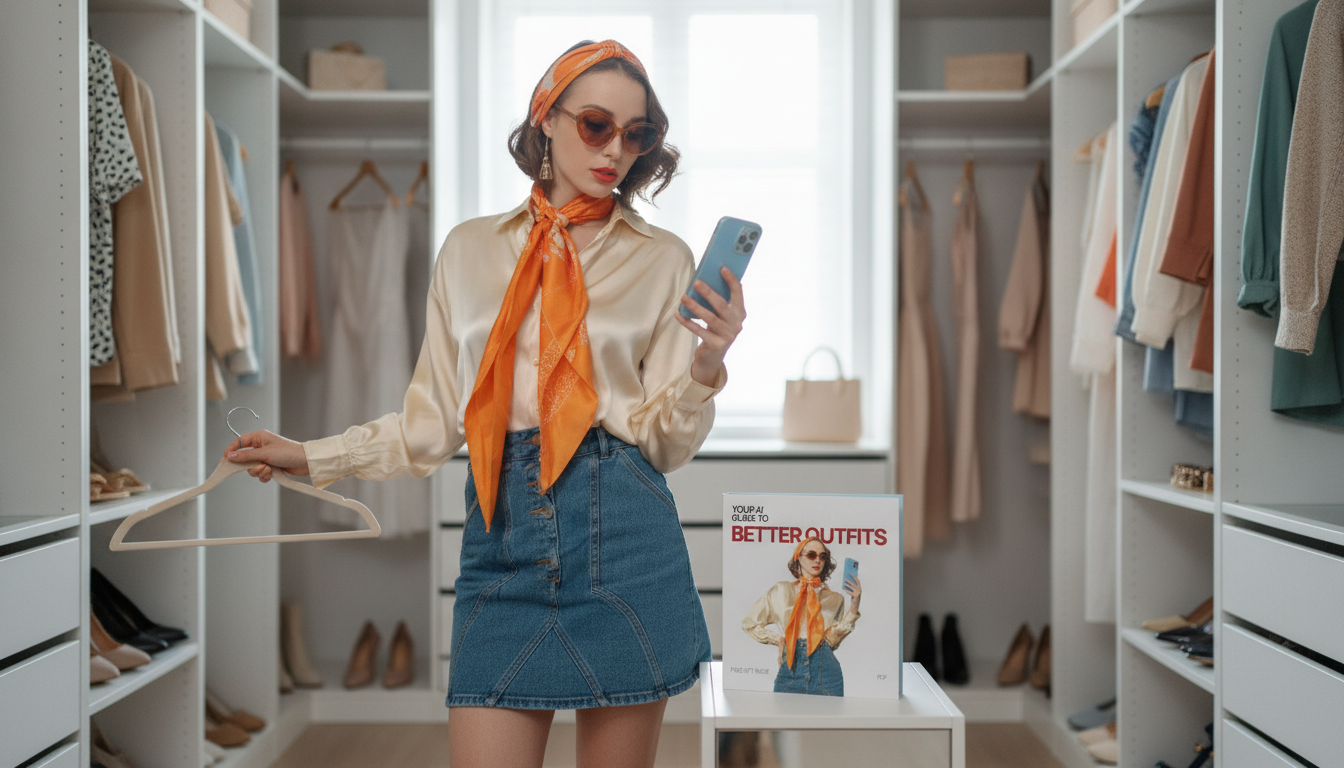
What AI Can (and Can’t) Do for Personal Style
AI is at its best when you treat it like a fast styling assistant: it can generate lots of outfit combinations, spot easy color pairings, turn inspiration into a shopping list, and build repeatable capsule-friendly “formulas” you can lean on when you’re busy. It’s also surprisingly useful at working around real-life constraints—dress codes, weather swings, comfort needs, budgets, and even the reality of “I need to rewear this blazer twice a week.”
Where it struggles is anything that requires touch-and-feel precision: the true quality of fabric, how a seam sits on your shoulder, or whether a specific workplace expects suits vs. smart casual without you telling it. The sweet spot is human taste plus AI iteration: let AI give you options and consistency, then keep what actually feels like you once you move around in the outfit.
Set Up Your Style Profile in 15 Minutes
Better outputs start with better inputs. A quick style profile helps AI stop guessing and start matching your lifestyle, comfort, and aesthetic. Begin with a simple goal such as “polished casual,” “creative professional,” “minimal streetwear,” or “romantic neutrals,” then anchor it with 8–12 reference images that look like your real life (commute, climate, and typical settings), not a once-a-year fantasy version.
Add practical notes that influence whether you’ll actually wear the look: preferred silhouettes, sensory comfort (itchy fabrics, tight waistbands, scratchy tags), footwear requirements, and even laundry habits. Finish with a small, workable palette—3–5 core colors and 2 accents—plus a short list of rules that keep suggestions aligned with your taste.
| Input | Examples to provide | Why it matters |
|---|---|---|
| Lifestyle + occasions | office days, school runs, dates, travel | prevents unrealistic suggestions |
| Fit preferences | high-rise, relaxed leg, fitted shoulders | reduces try-on failures |
| Comfort constraints | no wool, breathable fabrics, supportive shoes | keeps outfits wearable |
| Color direction | navy/cream/olive + gold accents | improves mix-and-match |
| Budget + shopping rules | no fast fashion, under $150 per item | keeps recs actionable |
Turn Your Closet Into Data (Without Overcomplicating It)
A closet “inventory” doesn’t need to become a weekend-long project. A fast method is to photograph your tops, bottoms, layers, and shoes on a bed or on hangers in consistent lighting. For each item, capture just three details: color, material, and vibe (sporty, tailored, romantic, edgy, classic). That’s enough for AI to start building coherent outfits instead of random pairings.
Next, identify your hero items (the pieces you reach for constantly) and your problem items (the ones that never quite work). Ask AI to style around both—hero items to create dependable weekly rotations, and problem items to see whether they need a different pairing or simply don’t fit your current life. If you shop often, track returns with one sentence about why something failed (too sheer, wrong neckline, pulls at hips) so suggestions improve over time.
A Simple AI Workflow for Daily Outfits
Personalization Levers That Change Everything
- Silhouette: pick 2–3 best shapes (for example, relaxed bottom + fitted top; straight leg + structured layer).
- Proportion: balance volume—an oversized top usually needs a streamlined bottom, and vice versa.
- Color contrast: low contrast reads sleek; high contrast reads bold. Choose intentionally for mood and setting. Color perception can influence how an outfit is read—learning the basics can help you pick palettes with intention (American Psychological Association: color psychology overview).
- Texture stacking: denim + knit + leather or linen + cotton + suede adds depth without relying on loud prints.
- Accessory logic: choose one focal point (earrings, belt, bag, or shoes) so the look feels intentional, not busy.
Use AI to Shop Less, Not More
To reduce duplicates, have AI list items that overlap in function (two similar black sweaters, three nearly identical white tees) and choose the best keeper based on fit, fabric, and how often you actually reach for it. Clothing care also affects what’s worth buying; understanding labels helps you avoid high-maintenance items you won’t wear (FTC consumer guidance on care labeling).
Privacy, Photos, and Realistic Expectations
If recommendations feel off, improve the inputs: clarify style adjectives, add reference images that match your body proportions and typical settings, and state hard “no” rules. For a practical overview of personal AI risk considerations, see NIST guidance on AI risk management.
Put It All Together: A 7-Day Style Reset
A Ready-Made Guide to Start Faster
If you want a structured, step-by-step approach you can follow without overthinking, use Your AI Guide to Better Outfits: How to Use AI to Find Stylish, Personalized Looks as a reference while you set up your style profile, closet inventory, and weekly outfit workflow.
For quicker weekday decisions once your basics are in place, pair it with Your Daily Outfit Shortcut: Time-Saving Outfit Combinations for Effortless Style to build repeatable combinations that still feel like you.
FAQ
What should be included in an AI style profile?
Lifestyle needs, fit preferences, comfort constraints, a small color palette, and a few reference looks that match real settings are the core inputs that keep recommendations realistic and wearable.
How can AI help if the closet is mostly basics?
It can generate outfit formulas that change silhouette, add layering, introduce texture, and use one focal accessory so simple pieces look intentional rather than unfinished.
How do you stop AI recommendations from feeling generic?
Give clearer constraints (hard no’s), use consistent reference images, and run quick feedback loops: choose one good option and request specific tweaks until the results match your personal rules.












Leave a comment