School Bullying: A Step-by-Step Parent Response Plan
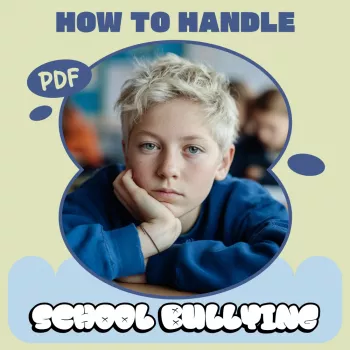
Dealing With School Bullying: A Practical Parent & Caregiver Guide to Respond With Confidence
Bullying can scramble a family’s sense of safety—especially when a child downplays what’s happening or worries things will get worse if adults step in. A confident response doesn’t require perfect words in the moment. It comes from understanding what bullying is, documenting patterns calmly, and following a step-by-step plan that protects your child while building skills that reduce future risk.
What bullying is (and what it isn’t)
Bullying usually has a recognizable pattern: repeated behavior, an intent to harm, and a power imbalance. That imbalance can be physical (size/strength), social (status or group influence), situational (older students targeting younger ones), or digital (a larger online audience, group chats, or accounts used to amplify harm).
It helps to separate bullying from conflict. Conflict can be serious, but it tends to be a disagreement between peers with more balanced power. Bullying is more one-sided: a child is singled out, pressured, humiliated, or threatened—often with the expectation that it will continue.
Bullying can show up in several forms: verbal (name-calling, threats), social (exclusion, rumors), physical (pushing, damaging belongings), and cyber (screenshots shared, impersonation, group chat pile-ons). Bias-based harassment (race, religion, disability, gender identity) should be treated as urgent—document carefully and use the school’s formal channels. Prioritize immediate safety when there are threats of violence, stalking, sexual harassment, or extortion. For clear definitions, see StopBullying.gov.
Early signs a child may be targeted
Many kids don’t announce bullying directly. Instead, it leaks out through body and behavior: headaches, stomachaches, sleep disruption, anxiety before school, or a sudden mood shift after school. Watch for avoidance patterns—asking to stay home, changing routes, skipping clubs, “forgetting” devices, or a noticeable drop in grades or engagement.
Social signals can be subtle: fewer friends, sitting alone, being blocked from group chats, or unexplained exclusion from parties and teams. Some indicators are hidden in plain sight: torn clothing, missing items, repeated requests for extra money, secrecy about screens, or deleting messages quickly.
If your child is the one bullying, respond early with firm boundaries and skill-building. Frequent fights, blaming others, enjoying dominance, or a spike in disciplinary notes can signal a need for supervision, empathy coaching, and consistent consequences—ideally with school support.
First 48 hours: stabilize, listen, and gather facts
Start with a calm check-in at a low-pressure time (a car ride, a walk, folding laundry together). Lead with observations rather than accusations: “I’ve noticed you seem tense before school,” or “You’ve been quiet after practice.” Make safety explicit: “You don’t deserve that,” “You’re not in trouble,” and “It’s my job to keep you safe.”
A practical plan to work with the school
Ask for measurable actions: increased supervision in hotspots, seating changes, a bus plan, a bathroom/locker pass plan, and scheduled check-ins with a counselor. Clarify the school’s bullying policy, reporting procedure, investigation timeline, and how outcomes will be communicated while respecting student privacy. If the response is vague, follow up in writing and ask about district-level supports or formal complaint pathways. Guidance from the CDC reinforces that consistent adult monitoring and clear reporting routes reduce bullying over time.
| Bring | Request/Ask | Why it helps |
|---|---|---|
| Incident log (dates, times, locations, witnesses) | Written safety plan for hotspots (hallway, bus, lunch) | Turns concerns into actionable steps |
| Screenshots/photos and device metadata | Supervision changes and specific adult points of contact | Improves monitoring and accountability |
| Child impact notes (sleep, grades, attendance) | Follow-up timeline (e.g., 1 week) and communication method | Prevents the issue from fading |
| Any prior reports or emails | Clarification of policy and reporting pathway | Aligns actions with school obligations |
Confidence scripts for kids: what to say and do in the moment
When it’s more serious: mental health and legal considerations
Seek urgent help if your child mentions self-harm, suicide, severe panic, or if there are threats of violence. Notify the school and use local emergency resources right away. Consider a pediatrician or therapist when bullying affects sleep, appetite, school attendance, or daily functioning. The American Academy of Pediatrics offers practical guidance on supporting children and recognizing when added help is needed.
A practical guide to keep on hand
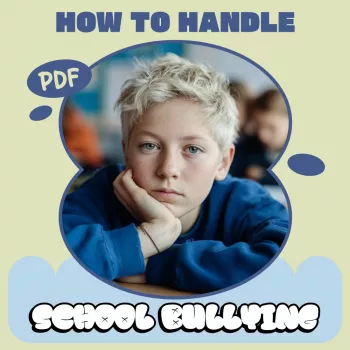
If you want a structured resource that covers both in-person and online bullying, consider Dealing With School Bullying – A Practical Parent & Caregiver Guide | How to Deal With School Bullying With Confidence. For kids who process experiences through journaling or storytelling, Creative Writing Exercises eBook | Creative Writing Exercises for Writers, Storytelling Prompts, Character & Plot Development Guide can support healthy expression. And if stolen or tampered-with belongings are part of the problem, a more secure bag like the Waterproof Anti-Theft Laptop Backpack with USB Charging Port – Fits 15.6″ Laptop may help reduce daily stress while the school plan is put in place.
FAQ
What should be documented when bullying happens at school?
Write down dates, times, locations, exact words/actions, witnesses, and whether an adult was nearby. Save screenshots, photos, and message timestamps, and keep copies of emails or reports along with notes on impacts like missed school, falling grades, or health symptoms.
Should a parent contact the other child’s parents?
Usually, start with the school to reduce conflict and retaliation risk and to ensure the situation is handled through policy. Parent-to-parent contact is best only when the school advises it and the conversation can stay factual, calm, and brief.
How can a child respond confidently without escalating?
Use short phrases like “Stop,” “Not okay,” or “Leave me alone,” in a steady voice, then exit toward a safer area or an adult. Practice scripts and routes ahead of time so your child can act quickly instead of freezing in the moment.
















Leave a comment