Reflective Dog Harness & Leash Set: Fit, Safety, Control
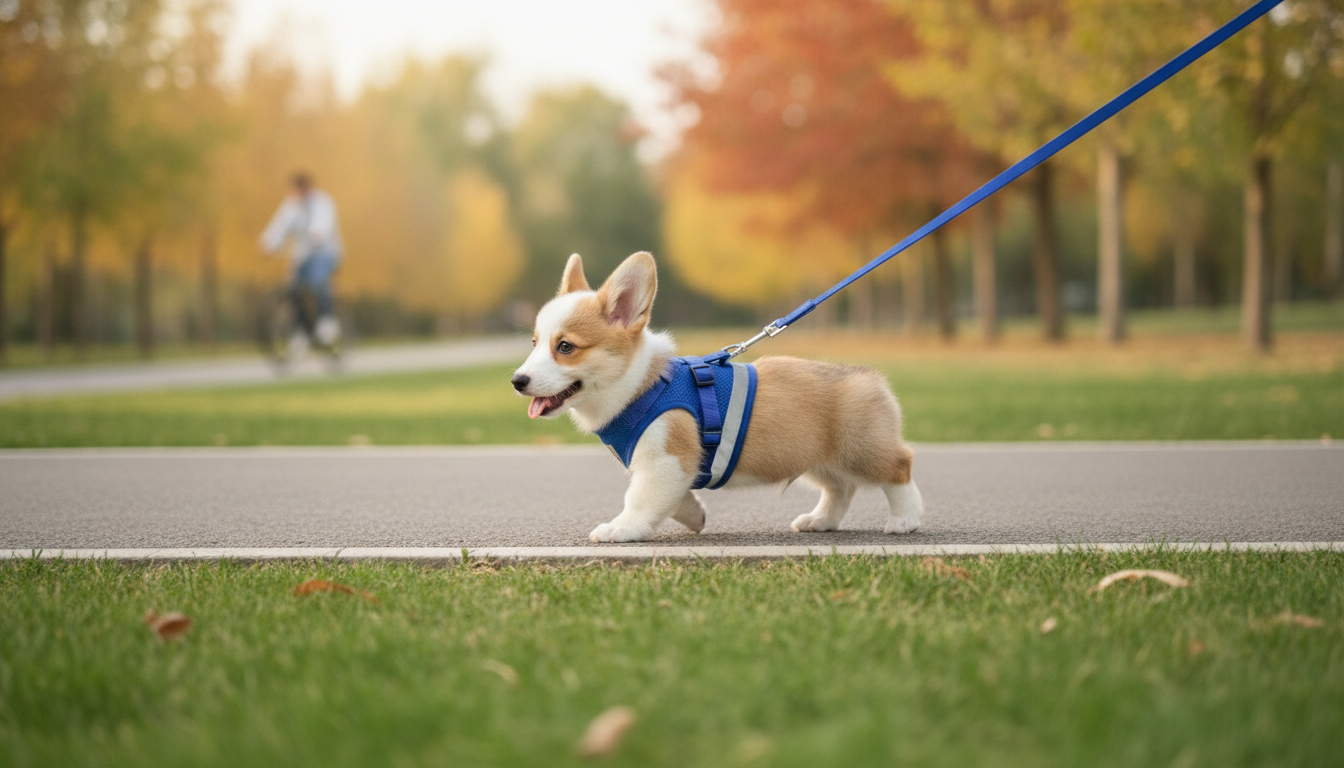
Reflective Dog Harness with Leash: Safer Walks, Better Control, and Everyday Comfort
Night walks, early-morning potty breaks, and busy sidewalks all demand better visibility and reliable control. A reflective dog harness with leash helps reduce strain on the neck, improves handling during pulls or quick stops, and makes the dog easier to spot in low light. Below are the practical features that matter most, plus a fast fitting routine and care tips so reflective details keep doing their job. For more guidance, see 5 Best Dog Harnesses of 2026 – Consumer Reports.
What a Reflective Harness-and-Leash Set Does Better Than a Collar
Collars are convenient, but they’re not always ideal for daily walking—especially for dogs that pull, startle, or zig-zag to sniff. A well-fitted harness-and-leash set can make walks more comfortable and predictable. For further reading, see Choosing the Right Harness for Your Dog – American Kennel Club.
- Spreads pressure across the chest and shoulders instead of concentrating it on the neck
- Adds visibility for drivers, cyclists, and other pedestrians during dawn, dusk, or nighttime walks
- Offers steadier control for training, crossing streets, and managing sudden lunges
- Can reduce slipping out compared with many standard collars when properly fitted
- Simplifies getting out the door with a matched harness and leash ready to go
If the goal is a safer walk with fewer “yank and gasp” moments, a harness can be a straightforward upgrade. For training help that complements better equipment, the American Kennel Club’s guide to leash training your dog is a reliable starting point.
Visibility and Safety: Reflective vs. Light-Up Options
Reflective gear works differently than light-up gear, and knowing the difference helps set realistic expectations.
- Reflective trim brightens when hit by headlights or streetlights; it does not emit light on its own
- For very dark areas, pairing reflective gear with an LED clip light improves visibility from multiple angles
- Choose high-contrast colors when possible; visibility is about both reflection and daytime conspicuity
- Keep reflective surfaces clean; dirt and wear can reduce how much light is returned
Think of reflective trim as a “return signal” for external light. If the route includes unlit roads or trails, adding a small light can make a meaningful difference. For additional everyday safety reminders (like staying alert at driveways and intersections), the ASPCA’s dog walking tips offer a solid checklist.
Fit and Comfort Checklist (Quick Test Before Every Walk)
Even the best harness won’t help much if it’s too loose, too tight, or sitting in the wrong place. A 20-second check before leaving the house helps prevent chafing and escape attempts.
- Two-finger rule: two fingers should slide under straps without forcing; no gaping or pinching
- Strap placement should avoid rubbing behind the front legs (a common chafe zone)
- Chest panel should sit centered; twisted straps can cause hot spots and uneven pressure
- Check buckles and adjustment points for slippage after a few minutes of walking
- For dogs that back out of gear, prioritize snug, secure fit and consider additional safety attachment to a collar
A helpful habit: after the first minute of walking, pause and look. If the harness slides to one side, the adjustments are usually uneven—or the girth strap is too loose.
Materials and Hardware That Hold Up
Daily walks put stress on webbing, stitching, and rings. Over time, small weaknesses become the reason a harness fails—usually at the worst moment (a squirrel sprint, a surprise skateboard, or a door opening).
- Nylon webbing is common and durable; look for smooth edges to reduce rubbing
- Stitching should be tight and even in high-stress areas (D-rings, strap junctions)
- Metal D-rings tend to resist wear better than lightweight plastic under frequent pulling
- A comfortable leash handle improves control during street crossings and crowded areas
- If the dog gets wet often, choose materials that dry quickly and resist odor buildup
For a broader overview of walking equipment and training basics, VCA Animal Hospitals has a practical explainer on leash training and walking equipment.
Choosing the Right Size and Style
Harness-and-Leash Set Buying Guide at a Glance
| Dog & walking situation | What to prioritize | Why it helps |
|---|---|---|
| Early-morning or night walks | Reflective trim + optional LED clip | Improves visibility to traffic and other pedestrians |
| Strong puller | Secure fit, sturdy D-ring, comfortable leash grip | Better handling and less strain during sudden tugs |
| Sensitive skin or short coat | Smooth webbing, good strap placement, correct tightness | Reduces rubbing and hot spots |
| Escape artist | Accurate sizing and snug adjustments | Helps prevent backing out during surprise moments |
How to Put It On and Adjust It (Fast Routine)
Care and Maintenance to Keep Reflective Gear Effective
Reflective Dog Harness with Leash: Everyday Value for Safer Walks
If you’re ready to upgrade your walk setup, see the Reflective Dog Harness with Leash for current pricing and availability.
More in-stock picks
- Waterproof Anti-Theft Laptop Backpack with USB Charging Port – Fits 15.6″ Laptop
- Creative Writing Exercises eBook | Creative Writing Exercises for Writers, Storytelling Prompts, Character & Plot Development Guide
- Your Daily Outfit Shortcut: Time-Saving Outfit Combinations for Effortless Style
FAQ
Do reflective harnesses work in complete darkness?
Reflective material needs an external light source (like headlights, streetlights, or a flashlight) to shine back. In very dark areas, add an LED clip light so your dog is easier to see from farther away.
How tight should a dog harness be?
Use the two-finger rule under each strap: it should be snug enough that it won’t shift or allow backing out, but not so tight that it pinches or restricts shoulder movement. Re-check after a few minutes of walking to confirm nothing loosens.
Can a harness reduce pulling?
A harness can improve control and reduce neck strain during tugs. Pulling behavior usually improves most with consistent leash training, and some designs (such as front-attachment options) may help redirect forward drive.
















Leave a comment