Printable Couples Conflict Workbook: Listen, Repair & Trust

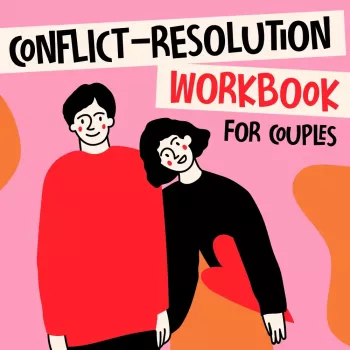
Conflict-Resolution Workbook for Couples: Printable Exercises to Improve Listening, Reduce Arguments, and Rebuild Trust
Recurring arguments often follow the same pattern: one partner feels unheard, the other feels blamed, and the original issue gets buried under tone, assumptions, and defensiveness. A printable conflict-resolution workbook can turn heated moments into structured conversations—helping couples slow down, name what’s happening, and choose skills that lead to repair. The sections below outline practical, step-by-step ways to use a relationship communication eBook to improve listening, resolve arguments more respectfully, and rebuild trust after conflict.
Why conflicts repeat (and what changes the pattern)
Many couples aren’t “arguing about dishes” or “arguing about money” as much as they’re stuck in a repeatable loop: a trigger happens, it gets interpreted quickly, emotions spike, and each person reaches for a protective move (withdrawing, criticizing, justifying). Once protection kicks in, escalation is easy—especially if either partner starts mind-reading, interrupting, or keeping score.
A useful shift is separating content from process. Content is the topic (chores, intimacy, in-laws). Process is how the conversation is handled (tone, contempt, defensiveness, piling on old issues). The process is often what drives the intensity and leaves both people feeling unsafe or devalued. Most fights hide two core needs underneath: to feel safe and to feel valued.
What breaks the cycle isn’t perfect agreement—it’s structure, shared language, and repair steps that work even when compromise is still forming. A workbook format helps because it externalizes the problem: instead of “fixing” each other, partners work on the pattern together.
What to expect from a printable conflict-resolution workbook
A good printable workbook reduces the pressure to improvise during emotional moments. Instead of trying to remember the “right words” mid-argument, you lean on guided prompts and scripts that keep things respectful and clear.
- Guided prompts that slow the pace and reduce spiraling.
- Active listening exercises (reflecting, validating, clarifying) that replace debate with understanding.
- Argument debrief pages to identify triggers, unmet needs, and what actually helped (or didn’t).
- Trust-repair activities focused on accountability, consistency, and follow-through.
- Print-anytime flexibility: keep a binder, run weekly check-ins, or reprint the toughest pages whenever the same argument returns.
A simple couple’s routine: use the workbook like a guided session
Consistency beats marathon talks. A short, repeatable routine makes it easier to start—even when one partner is tired, guarded, or worried the talk will explode.
- Set a time boundary (often 20–40 minutes) so the conversation has an end.
- Start with an emotional check-in: one word plus intensity (1–10) reduces surprises.
- Choose one issue only; park extra topics on a “later list.”
- Use turn-taking: one speaks while the other reflects back before responding.
- End with a next step (one small action each) plus a repair gesture (appreciation, touch, apology, reassurance).
Example weekly structure (printable workflow)
| Step | Time | Goal | Workbook page idea |
|---|---|---|---|
| Warm-up check-in | 5 min | Lower defensiveness; name emotions | Mood + needs prompt |
| Pick one topic | 2 min | Prevent piling-on | Agenda/parking lot |
| Speaker/Listener round 1 | 10 min | Understand before solving | Active listening script |
| Speaker/Listener round 2 | 10 min | Balance perspectives | Validation + clarifying questions |
| Problem-solve | 8 min | Agree on one small experiment | Options list + pros/cons |
| Repair + close | 5 min | Restore connection | Repair statement + appreciation |
Listening skills that cool arguments fast
When couples say “You never listen,” they often mean “You’re replying faster than you’re understanding.” The fastest way to lower heat is to prioritize comprehension over rebuttal.
- Reflect first, respond second: summarize what you heard without adding your counterpoint.
- Validate feelings without agreeing with conclusions: “That makes sense you’d feel ___ given ___.”
- Ask precision questions to shrink assumptions: “When you say ‘never,’ can you name the last two times?”
- Swap “why” for “what”: “What felt most upsetting?” lands softer than “Why did you do that?”
- Track body cues: raised voice, shutting down, pacing—treat them as signals to slow the conversation.
De-escalation tools for the moment things get heated
Rebuilding trust after conflict: repair, accountability, consistency
For research-based guidance on conflict patterns and repair, resources like the Gottman Institute and the American Psychological Association offer helpful relationship education. If conflict ever involves fear or emotional unsafety, use professional support resources such as NIMH’s guide to finding help.
Who this workbook helps most (and when to add extra support)
Printable setup tips to make follow-through easier
Recommended printables and eBooks (in stock)
- Conflict-Resolution Workbook for Couples | Printable Relationship Communication eBook — designed to guide calmer conversations with listening scripts, de-escalation tools, and trust-repair exercises.
- Creative Writing Exercises eBook | Creative Writing Exercises for Writers, Storytelling Prompts, Character & Plot Development Guide — a useful companion for partners who want journaling-style prompts to organize thoughts before hard talks.
- Your Daily Outfit Shortcut: Time-Saving Outfit Combinations for Effortless Style — a practical add-on for reducing morning friction and decision fatigue so check-ins start with less stress.
FAQ
How is a conflict-resolution workbook different from just “talking it out”?
A workbook adds structure: turn-taking, prompts that turn feelings into clear requests, and repair steps that prevent topic-hopping. That structure reduces defensiveness and makes it more likely you’ll leave with a next step instead of a new wound.
How often should couples use a communication workbook?
A weekly check-in is a realistic baseline, with extra use as needed when conflict pops up. Short, consistent sessions work best—stick to one issue at a time so you don’t overload the conversation.
Can a workbook help rebuild trust after repeated arguments?
Yes, especially when it includes repair statements, accountability plans, and a way to track follow-through over time. If conflict involves fear, coercion, or emotional unsafety, professional support is recommended alongside any workbook practice.
















Leave a comment