Face Shape Haircut Guide: Best Cuts, Bangs & Lengths
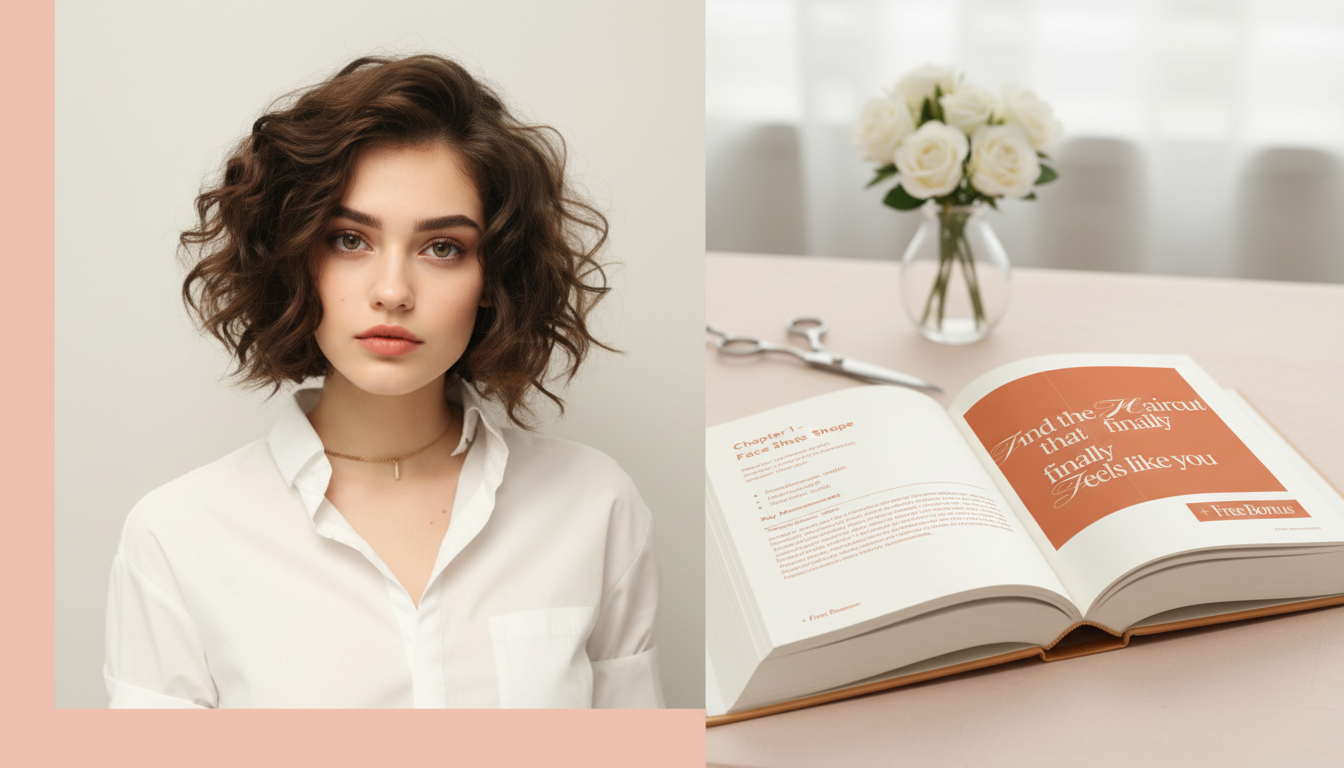
Find the Haircut That Finally Feels Like You: A Face Shape Haircut Guide
A haircut can flatter, balance, and “click” the moment it works with natural proportions—not against them. The goal isn’t to “fix” your face; it’s to choose structure (length, layers, fringe, and parting) that makes your features look intentional and effortless. Start with face shape for the overall geometry, then fine-tune for hair texture, density, growth patterns, and day-to-day styling reality.
If you want a step-by-step, saveable reference you can bring to your stylist, the Face Shape Haircut Guide (digital guide) is designed for quick decisions without second-guessing.
Start With Your Face Shape (and Don’t Overthink It)
Pull your hair back, stand in good light, and focus on your outline—not tiny details. Compare four areas: forehead width, cheekbone width, jaw width, and chin shape. Most people are a blend, so aim for the closest match and prioritize your main goal (soften a jaw, balance a forehead, reduce length, add height).
Face shape is a shortcut to understanding where volume should sit and where lines should land. Personal features still matter: a higher forehead, prominent cheekbones, or a sharper jaw angle can shift which version of a cut feels best.
Quick Measuring Method That Works
You can measure with a soft tape measure, or visually compare widths in the mirror:
- Forehead: measure the widest point.
- Cheekbones: measure across the fullest part.
- Jawline: measure from jaw corner to jaw corner.
- Face length: hairline to chin.
Common patterns:
- Round: similar width and length with a softer jaw.
- Square: strong jaw with similar widths.
- Oval: longer than wide with a gentle jaw.
- Heart: wider forehead, narrower chin.
- Diamond: widest at cheekbones.
- Oblong/Long: noticeably longer than wide.
If you’re stuck between two shapes, choose the haircut “rules” that solve your main concern (add width, add length, soften angles, or balance forehead/jaw).
The Core Rules: Where Volume, Length, and Lines Should Land
Length placement changes proportions
Where the perimeter hits affects what gets emphasized. Cuts ending at the chin spotlight the jaw and lower face; below the collarbone can read longer and sleeker; cheekbone-length layers pull attention to the mid-face.
Volume placement balances your outline
Add volume where you want width, and reduce bulk where you want sleekness. For example: reducing density around the jaw helps many round faces; keeping temples flatter can help diamond shapes look less top-heavy.
Lines create “mood”
Blunt lines feel graphic and sharpen features; soft layers and curves diffuse angles. Neither is “better”—it depends on whether you want structure (clean edges) or softness (movement).
Parting and fringe are powerful
Center parts emphasize symmetry and length; side parts add lift and asymmetry. Bangs can shorten the appearance of a long face or balance a wider forehead quickly—often with less commitment than a dramatic length change.
Face Shape Haircut Cheat Sheet
Use this as a starting point, then adjust for texture, density, and maintenance tolerance.
| Face shape | Most flattering focus | Haircuts that tend to work | Usually avoid |
|---|---|---|---|
| Oval | Keep balance; highlight features | Lob, long layers, blunt bob, curtain bangs | Overloading one area with volume (unless intentional) |
| Round | Add length; create vertical lines | Collarbone+ cuts, long layers, side-swept bangs, angled lob | Chin-length blunt bob; heavy width at jaw |
| Square | Soften jaw; add movement | Textured lob, long layers, face-framing layers, wispy fringe | One-length blunt jawline cuts (if you want softer) |
| Heart | Balance forehead; add fullness near jaw/chin | Lob with ends turned out, chin-to-collarbone layers, curtain bangs | Too much height at crown with no jaw balance |
| Diamond | Balance cheekbone width; soften angles | Chin-length bob with soft layers, side part, curtain bangs | Big volume at cheekbones without length/softness |
| Oblong/Long | Reduce visual length; add width | Shoulder cuts, waves, bangs (curtain or blunt), fuller sides | Extra-long, ultra-flat styles with no fringe |
Choosing Bangs and Fringe Without Regret
Match the Cut to Hair Texture, Density, and Growth Patterns
For hair and scalp basics that support healthy styling and cutting routines, see the American Academy of Dermatology Association hair care guidance.
Bring the Idea to the Salon: What to Ask For
Want to reduce decision fatigue in more than just hair? Pair a fresh cut with a simplified wardrobe plan like Your Daily Outfit Shortcut: Time-Saving Outfit Combinations for Effortless Style.
Styling Tweaks That Make the Same Haircut Look Completely Different
If you’re curious why certain lines “read” sharper or softer, it helps to understand the underlying facial structure at a basic level; Britannica’s overview of the human face is a helpful reference.
A Simple Decision Flow to Land on the Right Cut
For a quick, bring-to-the-salon version of this flow (plus examples and adjustment tips), keep the Find the Haircut That Finally Feels Like You | Face Shape Haircut Guide on your phone.
FAQ
What if the recommended haircut for my face shape doesn’t match my hair texture?
Use face shape to choose the silhouette (length and where the weight sits), then use texture and density to decide layering and edge softness. For example, a lob can stay blunt for fine hair or become more textured with internal layers for thick hair while keeping the same face-flattering outline.
Can one haircut work for more than one face shape?
Yes—many cuts are adjustable. A collarbone lob can suit multiple shapes by changing the part, shifting where face-framing layers start, and tweaking bang length to balance forehead, cheekbones, and jaw.
How do I know if chin-length is flattering for me?
Chin-length cuts emphasize the jaw and lower face, which is great when you want structure. If you’re unsure, test the look by tucking hair to chin level or choose an angled bob or longer lob for a softer, more flexible first step.














Leave a comment