Car Reliability Checklist: Simple Maintenance Planner
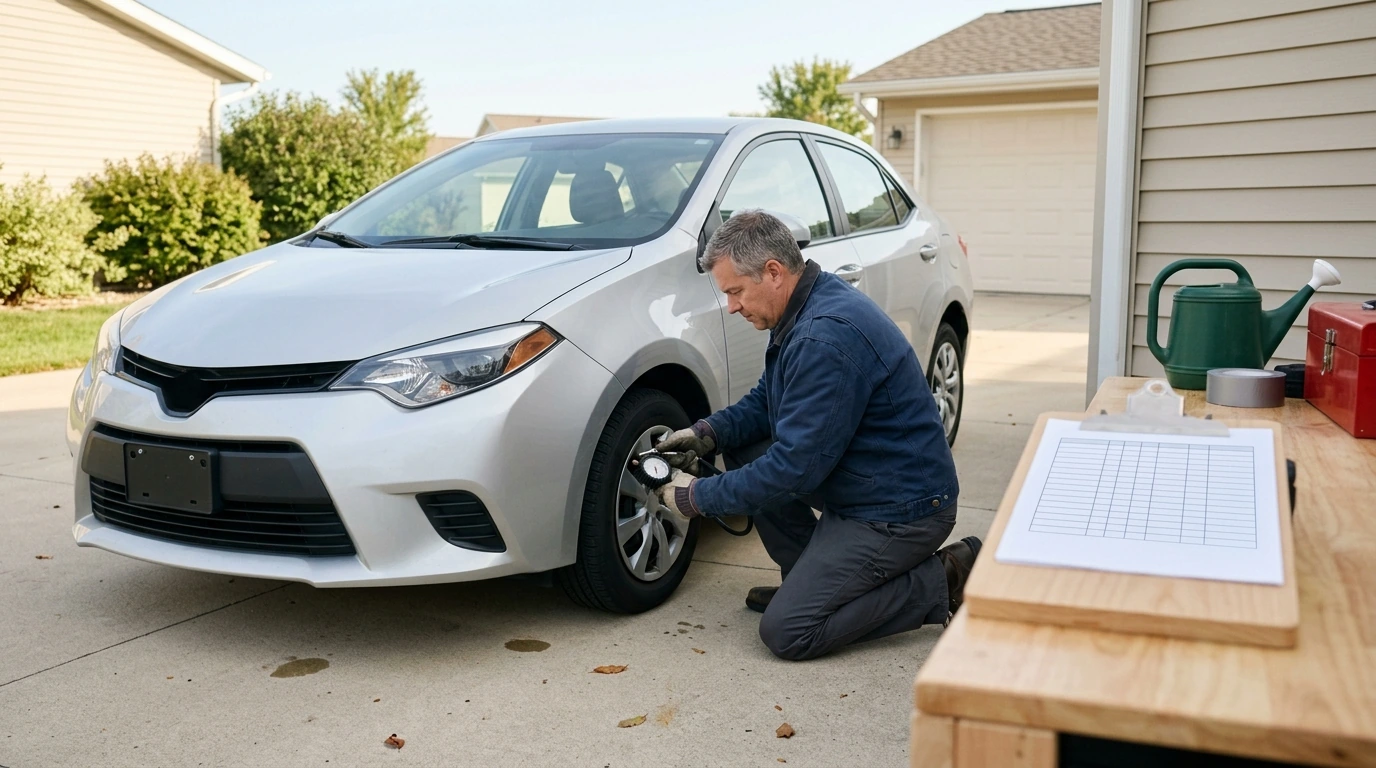
Factors That Affect Car Reliability: A Simple Checklist and Maintenance Planner for Real Life
Car reliability is rarely about luck. It’s usually the result of small, repeatable habits: checking fluids before they’re low, catching tire wear before it becomes a blowout, and keeping service intervals from drifting. Our printable vehicle care planner turns those “I’ll do it later” tasks into a clear checklist you can follow week to week—so your car starts when it should, stops when it must, and costs less over time.
What “reliability” really depends on (and what quietly ruins it)
If a car feels unpredictable, the root cause is often something simple that went untracked for too long. Here are the biggest forces shaping reliability in real life:
- Preventive maintenance consistency: the same vehicle can feel “unreliable” when oil changes, inspections, and wear-item replacements slip past their intervals.
- Fluids and heat management: engine oil, coolant, brake fluid, transmission fluid, and power steering fluid all reduce friction and overheating. Low or dirty fluid accelerates wear fast.
- Tires and alignment: uneven wear, low pressure, and alignment issues strain suspension parts and reduce fuel economy and control.
- Electrical health: weak batteries, alternator issues, corroded terminals, and aging wiring can cause no-starts and intermittent warning lights.
- Brake system condition: pad thickness, rotor condition, fluid age, and caliper issues affect safety and can turn a small fix into an expensive one.
- Driving patterns: short trips, hard acceleration, stop-and-go traffic, heavy loads, and towing increase heat cycles and wear.
- Environment: road salt, extreme temperatures, dust, and humidity speed corrosion and degrade rubber components.
How to use the checklist as a vehicle care planner (without overcomplicating it)
Our team built this planner to be realistic—something you can stick with even on busy weeks.
- Pick a rhythm: set a weekly “quick check,” a monthly “deeper check,” and a seasonal review (every 3–6 months).
- Keep one record: note dates, mileage, and what was done so nothing gets duplicated or forgotten.
- Start with today’s baseline: mark what’s already in good shape and what needs attention soon.
- Use “next due” prompts: whenever you complete a task, write the next target date/mileage immediately.
- Build a glovebox routine: keep a printed copy in your glovebox (or the file on your phone) for quick checks at fuel-ups or charging stops.
Reliability checklist: the non-negotiables to track
When you’re short on time, these are the items that most often prevent breakdowns and surprise repair bills:
- Oil and filter: check level/condition regularly; follow an interval that matches your driving style and manufacturer guidance.
- Coolant: watch level and contamination; treat overheating as urgent to prevent major engine damage.
- Brake pads/rotors and brake fluid: track pad wear and fluid age; old brake fluid can reduce braking performance.
- Tire pressure and tread depth: measure tires cold; rotate on schedule to prevent premature wear.
- Battery and terminals: corrosion and weak starts are early warnings—battery issues are a common breakdown trigger.
- Air filters (engine/cabin): clogged filters affect performance, HVAC efficiency, and interior air quality.
- Lights and wipers: easy to overlook and easy to fix—set a monthly reminder.
- Belts/hoses and leaks: small seepage becomes a big repair when ignored; a quick visual check goes a long way.
Maintenance rhythm planner (customize to your vehicle)
| Frequency | Quick checks | Plan-ahead tasks | What to record |
|---|---|---|---|
| Weekly | Tire pressure; look for new leaks; check dashboard warnings | Top off washer fluid; note any new noises or vibration | Date + mileage + any symptoms |
| Monthly | Oil level/condition; lights; wipers; tire tread glance | Clean battery terminals if needed; check spare tire pressure | What was checked + what needs service soon |
| Every 3 months / season change | Inspect brakes visually (if possible); check coolant level; inspect belts/hoses | Tire rotation (as needed); cabin/engine air filter review | Service performed + next due date/mileage |
| Every 6–12 months | Full fluid review (incl. brake/coolant condition); alignment check if wear is uneven | Replace worn wipers; plan for battery replacement window if aging | Receipts + part brands + technician notes |
Common reliability “slip-ups” the planner helps prevent
Set up your printable checklist in 10 minutes
When to switch from DIY tracking to professional help
Digital download benefits for busy schedules
Recommended downloads from our store
- Factors That Affect Car Reliability Checklist (Printable Vehicle Care Planner) — a practical, repeatable system for weekly/monthly/seasonal tracking.
- Creative Writing Exercises eBook — a focused way to build a daily practice when you want structured prompts and skill-building.
Trusted maintenance guidance (worth bookmarking)
- NHTSA — Vehicle Maintenance and Safety
- Car Care Council — Maintenance Schedule and Tips
- AAA — Car Maintenance Tips
FAQ
How often should reliability checks be done if the car isn’t driven much?
Even low-mileage vehicles benefit from time-based checks: do a quick weekly walkaround for tires/leaks, a monthly look at fluids, battery health, and lights, and a seasonal review for deeper wear items. Sitting cars still lose tire pressure, batteries still drain, and fluids and rubber components still age.
Does a maintenance checklist replace the owner’s manual schedule?
No—use the checklist to track, remember, and document what you’re doing, while the owner’s manual remains the source for critical intervals and specifications. If your driving includes frequent short trips, extreme temperatures, or towing, you may need the “severe” schedule in the manual.
What should be tracked to make future repairs cheaper and easier?
Record the date, mileage, symptoms, parts/brands used, where the service was done, and the next due date/mileage. Clear history helps technicians diagnose faster and can support warranty or goodwill conversations.

















Leave a comment