Best Ear Tips for Planar IEMs: More Bass & Isolation
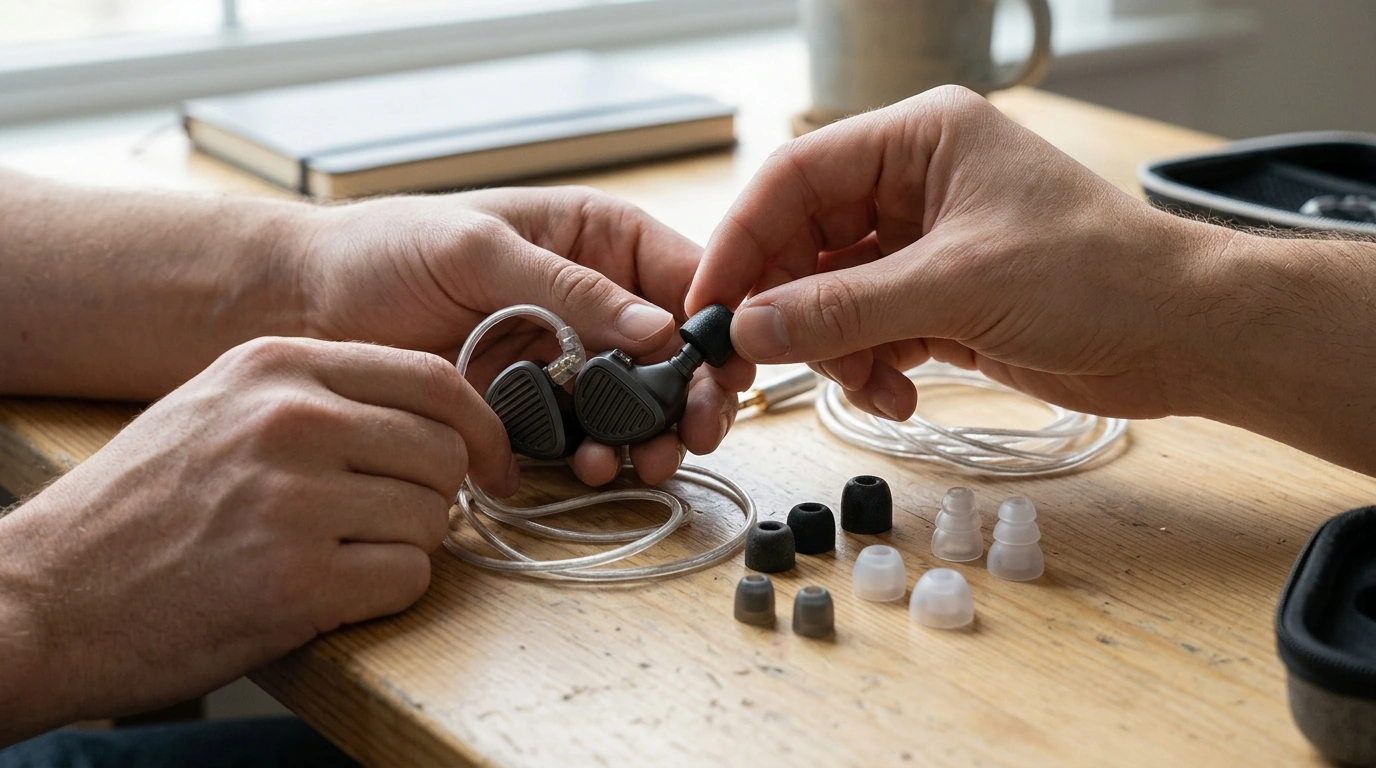
How do I choose the right ear tips for planar IEMs to improve isolation and bass response?
Planar IEMs can sound fast and detailed, but they’re also unforgiving about fit. The “right” ear tip is the one that seals consistently without pressure hot spots, because seal quality is what drives both isolation and bass weight.
Start with size: seal beats comfort “almost right”
Use the largest size that stays comfortable for a full listening session. If tips feel secure but bass is thin or the sound changes when you open your jaw, go up one size. If you feel soreness or the tip slowly pushes out, go down a size or switch to a softer material.
Pick a material based on what you want to fix
Foam tips usually give the biggest jump in isolation and sub-bass presence because they expand to fill gaps. They can slightly soften treble and reduce perceived “air,” which may be a plus on brighter planars.
Silicone tips preserve clarity and transient snap. For more bass and isolation, choose a softer silicone or a wider sealing skirt; for more openness and slightly less bass pressure, a firmer silicone can help.
Pay attention to bore and shape
Narrow-bore tips tend to increase bass density and tame upper treble. Wide-bore tips often sound more open and can reduce mid-bass emphasis, but they demand a better seal to keep sub-bass from dropping off.
Double-flange or longer tips can improve isolation if your ear canals are deeper or if standard tips leak. If you feel pressure or “plugged ear” discomfort, try a shorter tip or a vented foam style.
Match tips to nozzle fit and insertion depth
Planar IEM nozzles vary in diameter; a tip that’s too loose leaks and kills bass. Make sure the tip core grips firmly and sits flush. A slightly deeper insertion often improves isolation and bass consistency, especially on planars with lighter mid-bass tuning.
For more fit and power considerations that affect planar IEM performance, see the full guide here: https://spiritine.com/guide-planar-iems-wood-faceplates-fit-sound-power/.
FAQ
Do planar IEMs need more power than dynamic IEMs?
Many do benefit from more voltage/current headroom to sound punchier and cleaner at higher volumes, but it depends on sensitivity and impedance. If bass sounds flat or transients feel blunted, a stronger source can help.















Leave a comment