Learn Calligraphy Alphabets: Strokes, Groups, and Drills
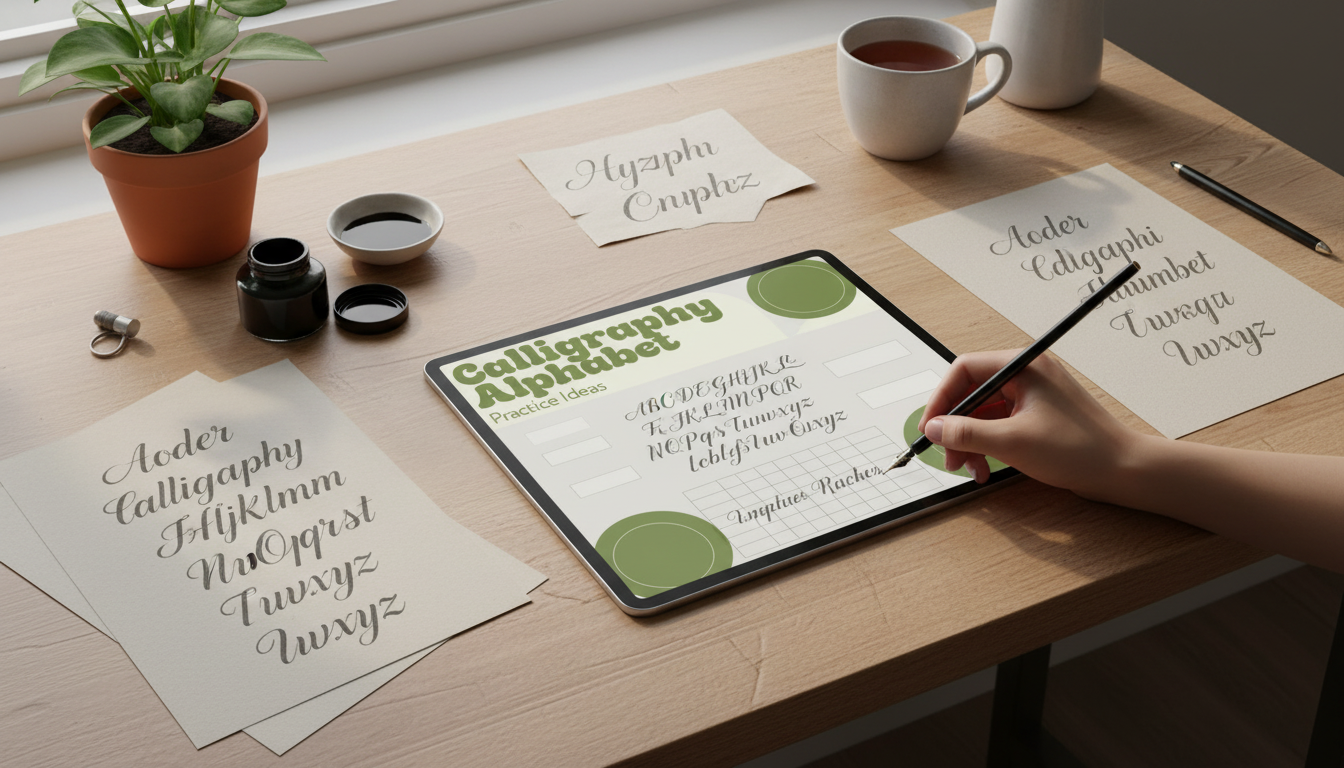
How to learn calligraphy alphabets?
Learning calligraphy alphabets is mostly about building reliable muscle memory: consistent pressure changes, steady spacing, and repeatable letter shapes. Start with a beginner-friendly style (modern calligraphy is a common choice), then practice in short, focused sessions so your strokes stay intentional instead of rushed.
1) Get the right basics before you start
Pick one tool and stick with it for a while—either a brush pen (easier for many beginners) or a pointed nib and ink. Use smooth paper so the tip doesn’t fray or snag, and print a few guideline sheets to keep letter height and slant consistent.
2) Master strokes before full letters
Calligraphy alphabets are built from a handful of foundational strokes. Practice downstrokes with pressure (thick) and upstrokes with light pressure (thin). Once the contrast feels natural, add compound strokes like ovals, turns, and entry/exit strokes.
3) Learn the alphabet in groups
Instead of memorizing A–Z in order, practice letters that share shapes. For example, many lowercase letters use oval forms (a, o, d, g, q), while others rely on tall stems (b, h, k, l). Grouping speeds up learning and keeps your style cohesive.
4) Use drills and a simple routine
Do 5 minutes of warm-ups, 10 minutes of stroke drills, and 10 minutes of letters or words. Keep your practice consistent (even 15 minutes a day) and review yesterday’s work to spot one thing to improve today.
5) Follow a structured practice guide
For printable drills, letter practice ideas, and routine tips, use this step-by-step resource: modern calligraphy alphabet practice drills and routines.
For Learn Calligraphy Alphabets: Strokes, Groups, and Drills, the best answer depends on fit, material, care instructions, and how the product will be used day to day.
Checking those details first helps avoid a poor match and keeps the choice practical after delivery.
FAQ
How long does it take to learn calligraphy?
Most beginners notice cleaner strokes within 1–2 weeks of consistent practice. Building a confident alphabet and spacing usually takes a few months, depending on how often you practice.
















Leave a comment