Best Budget Gaming Mouse: What to Look For
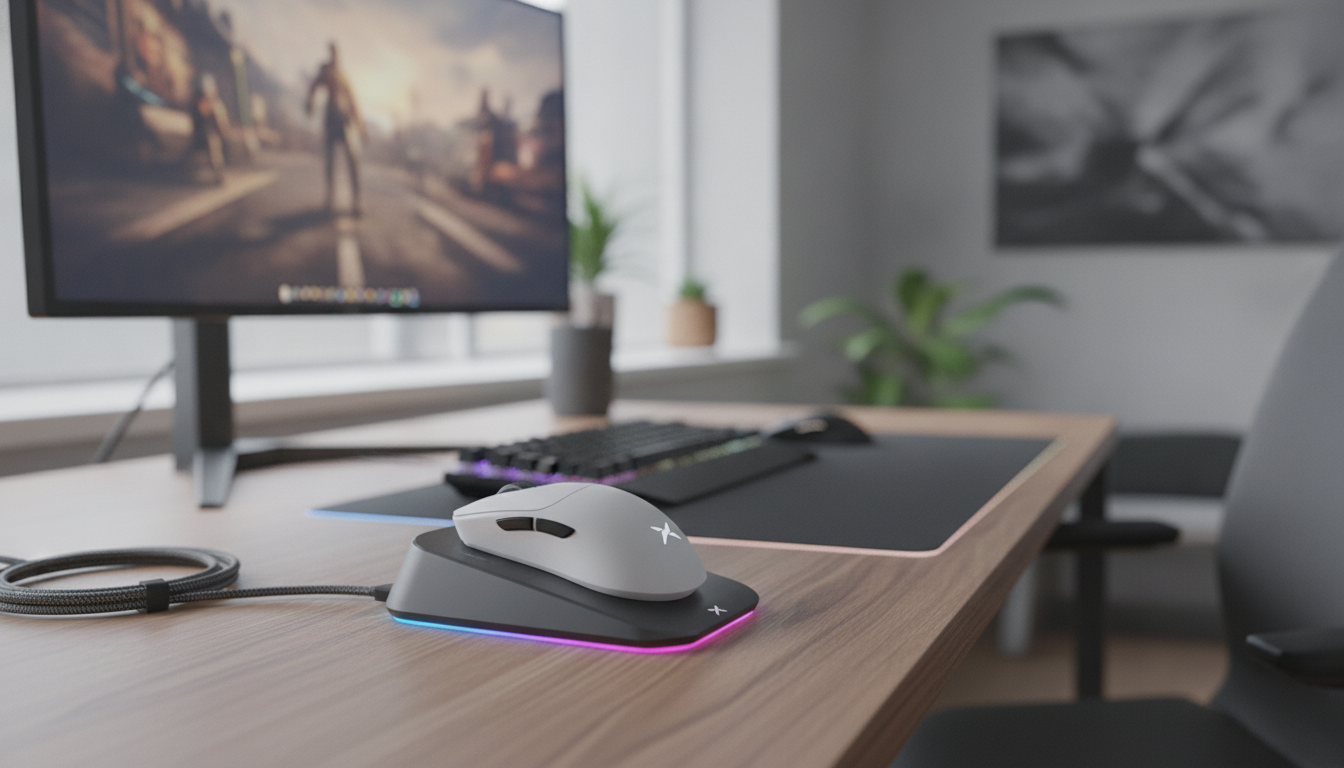
What is the best budget mouse for gaming?
The best budget gaming mouse is the one that nails the essentials for your playstyle: a reliable sensor, a comfortable shape for long sessions, and low-lag connectivity (wired or wireless) without paying for features you’ll never use. In most cases, a great “budget” pick lands in the sweet spot where tracking feels consistent, clicks feel crisp, and the mouse doesn’t fatigue your hand.
Start with the sensor and performance basics. Look for a modern sensor with stable tracking, adjustable DPI, and a solid polling rate (1,000Hz is a common target). These specs matter more than flashy lighting because they directly affect aim consistency and responsiveness in shooters, MOBAs, and fast-paced games.
Next, prioritize shape and weight. A lighter mouse can feel faster and easier to control, but comfort is highly personal—especially if you use palm, claw, or fingertip grip. If possible, choose an ergonomic shell that matches your hand size and grip, and make sure the side buttons are easy to reach without accidental presses.
Finally, decide between wired and wireless. Wired is often the cheapest way to get dependable performance, while newer budget wireless options can be excellent if they include a strong 2.4GHz connection, good battery life, and a stable receiver setup. If you’re curious about what to look for in a higher-performance wireless option—like ultra-high polling, ergonomic design, charging dock convenience, and setup tips—see the full guide here: https://spiritine.com/guide-8k-wireless-ergonomic-gaming-mouse-dpi-rgb-dock-setup/.
Bottom line: the best budget gaming mouse is the one that feels right in your hand and delivers consistent tracking at the sensitivity you actually use, with buttons and build quality that hold up to daily play.
FAQ
What matters more for gaming: DPI or polling rate?
Polling rate usually has a bigger impact on responsiveness, while DPI is mainly about how fast the cursor moves. A reasonable DPI setting plus a solid polling rate tends to feel more consistent in-game.














Leave a comment