Hi-Res Audio IEM Certification: Phone Listening Explained
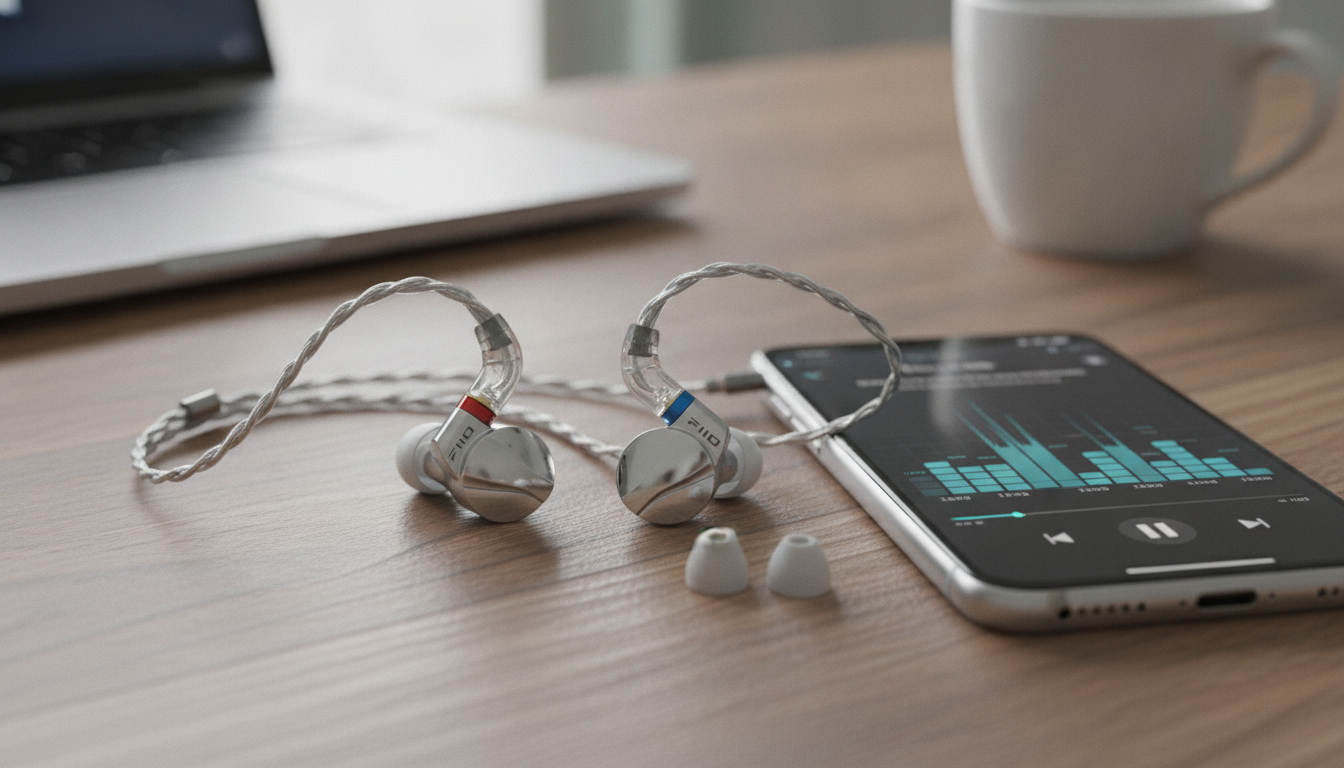
What does Hi-Res audio certification mean for in-ear earphones, and will I hear a difference on my phone?
Hi-Res audio certification on in-ear earphones (often labeled “Hi-Res Audio”) is a standards-based badge that says the earphones are capable of reproducing higher-frequency content and handling higher-quality audio signals than basic earbuds. In practice, it usually means the IEMs meet certain performance targets, such as extended frequency response beyond the conventional 20 kHz limit, and are designed to work well with high-resolution sources.
What it does not guarantee is that the earphones will automatically sound better in every setup. Tuning, driver quality, fit, and isolation can matter more than a certification logo. Many certified IEMs do sound excellent, but the badge itself is more about capability than a promise of a specific sound signature.
Will you hear a difference on your phone?
Sometimes—if the rest of the chain supports it. Most phones can play lossless or high-bitrate audio, but you’ll hear the biggest change when you use: (1) high-quality files/streams (lossless or “HiFi” tiers), (2) a decent DAC/adapter (especially if your phone’s built-in output is weak or noisy), and (3) IEMs that seal well in your ears.
On a typical phone using standard Bluetooth codecs and compressed streaming, the difference between “Hi-Res certified” and “not certified” may be subtle. The improvements you’re more likely to notice are cleaner detail, more controlled bass, and smoother highs—provided the ear tips fit well and the recording is good.
For a deeper look at how driver size, detachable MMCX cables, and deep-bass tuning come together in real-world IEM choices, see the full guide here: https://spiritine.com/guide-13-8mm-hi-res-iems-detachable-mmcx-cable-deep-bass/.
FAQ
Do I need a DAC to benefit from Hi-Res IEMs?
Not always, but a good dongle DAC can help if your phone’s output is underpowered or adds hiss. If you listen to lossless audio and use wired IEMs, a DAC/amp can improve headroom and clarity.














Leave a comment