Most Durable Ceramic Dinnerware: Porcelain vs Stoneware
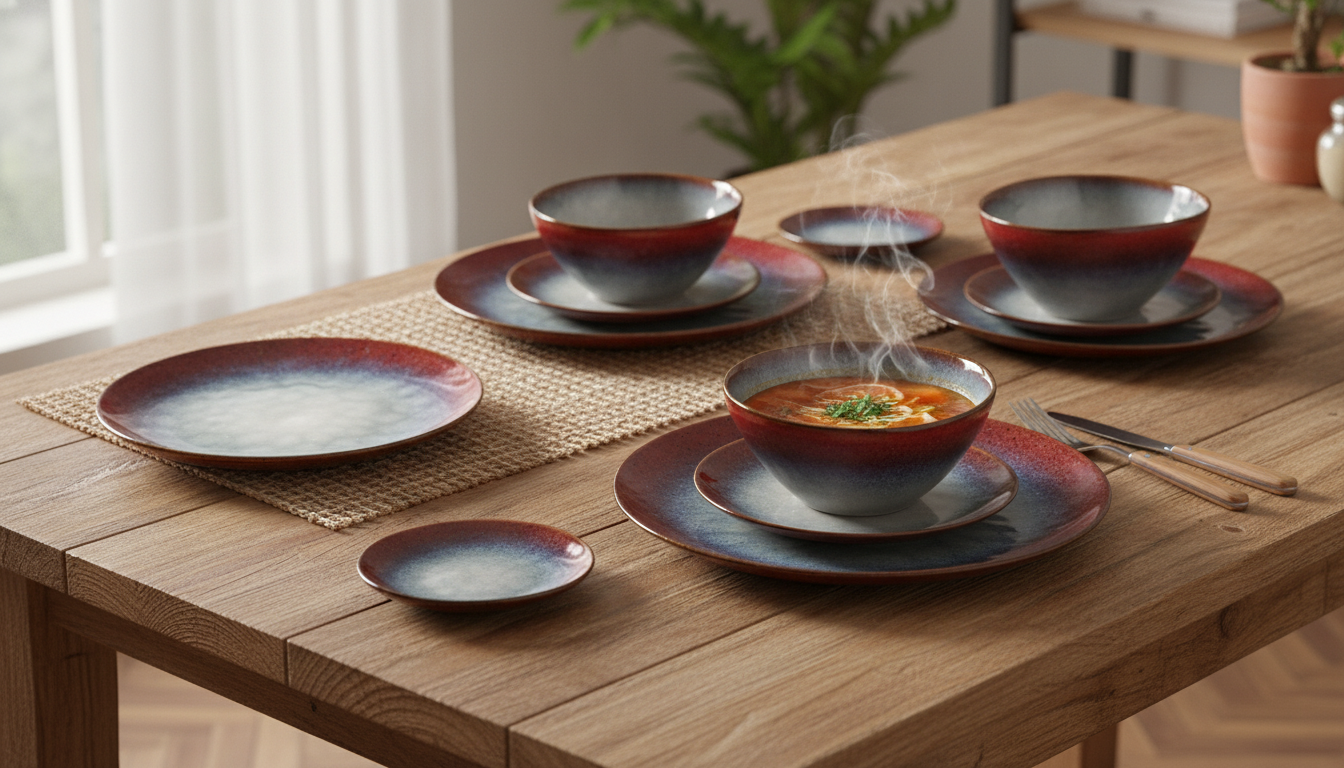
What is the most durable ceramic dinnerware?
The most durable ceramic dinnerware is typically high-quality porcelain or fully vitrified stoneware. Both are fired at high temperatures that make the body dense and less porous, which helps resist chipping, cracking, and staining during everyday use.
Porcelain: the toughest “ceramic” for daily wear
Porcelain is often the top pick for durability because it’s fired hotter than many other ceramics, creating a tight, glass-like structure. That density helps it handle repeated dishwasher cycles, temperature changes, and stacked storage with fewer chips. If durability is the priority, look for porcelain labeled as “vitrified” or “hotel/restaurant grade,” which usually indicates an even denser build.
Vitrified stoneware: sturdy, family-friendly, and practical
Stoneware can be extremely durable when it’s fully vitrified (meaning it absorbs little to no water). It’s generally heavier than porcelain and can feel more substantial in the hand, making it a popular choice for households that want a dependable everyday set. The key is quality: well-made stoneware holds up far better than porous, low-fire ceramics.
What to avoid if you want maximum durability
Earthenware is usually the least durable ceramic dinnerware because it’s fired at lower temperatures and remains more porous, which can make it more prone to chipping and crazing (fine surface cracks). Also, highly reactive shapes—like razor-thin rims, sharp corners, and oversized plates—can chip more easily regardless of material.
How to choose a durable set that fits your routine
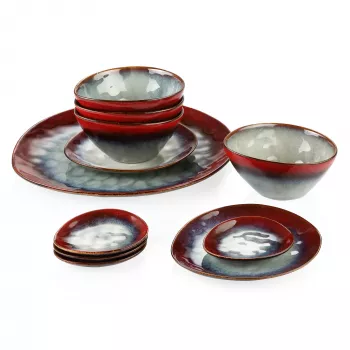
Look for a smooth, even glaze; consistent thickness at the rim; and clear care labels for microwave and dishwasher use. If you like bold designs and a cohesive set, this Starry Red 11-Piece Ceramic Dinnerware Set guide breaks down what to look for in a practical, everyday collection.
For Most Durable Ceramic Dinnerware: Porcelain vs Stoneware, the best answer depends on fit, material, care instructions, and how the product will be used day to day.
FAQ
Is stoneware or porcelain better for everyday use?
Porcelain is usually more chip-resistant due to its denser body, but fully vitrified stoneware is also excellent for daily use and often feels heavier and more substantial.













Leave a comment