Kids and Social Media: Yes, With Boundaries
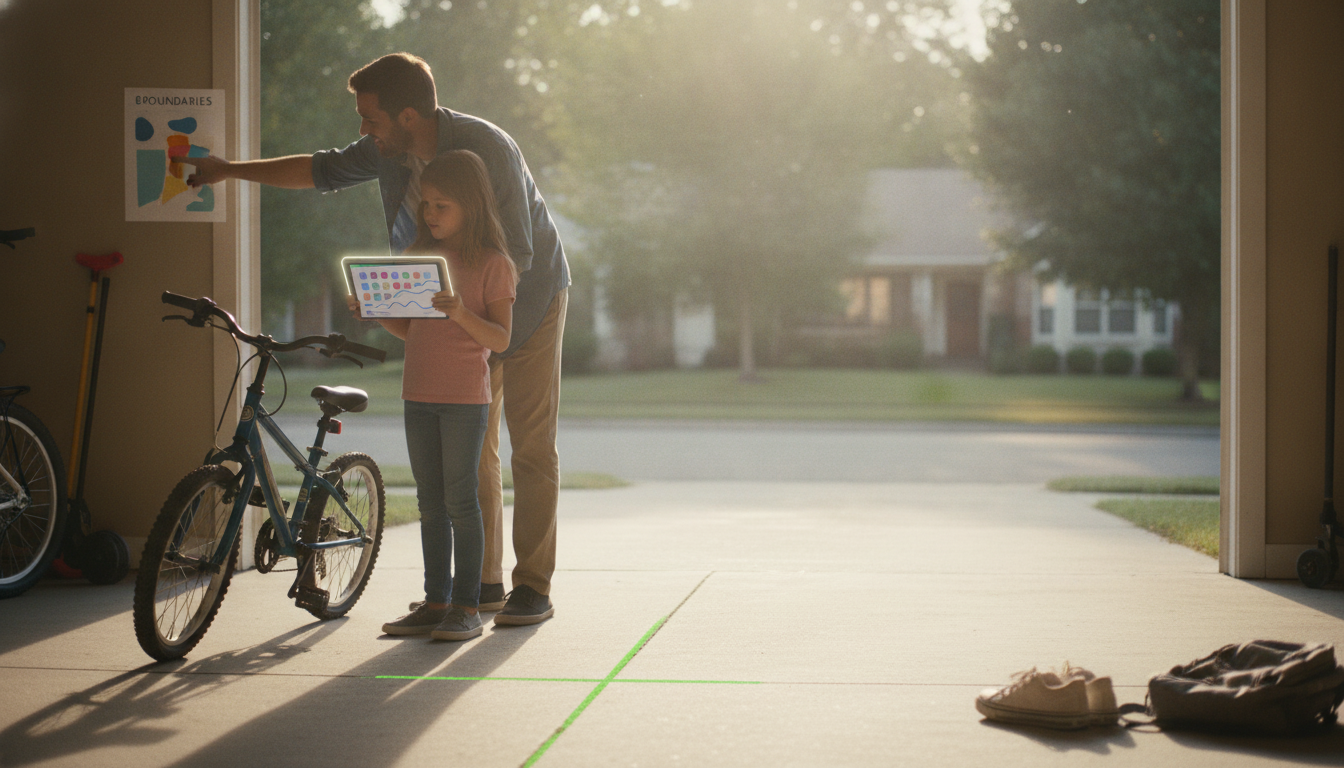
Should parents let their kids have social media?
Parents can allow social media, but it works best as a guided, gradual privilege—not an all-or-nothing decision. Social platforms can help kids stay connected, explore interests, and learn digital skills. They can also expose them to bullying, inappropriate content, unrealistic comparisons, and pressure to share more than they should.
A practical approach is to start with readiness rather than age alone. Look for signs your child can follow rules, handle conflict, and talk honestly about mistakes. If those basics aren’t there yet, delaying access is often kinder than granting it and constantly punishing slip-ups.
What “yes, with boundaries” can look like
Clear guardrails reduce risk without turning social media into a secret activity. Consider a trial period with specific expectations: private accounts, approval before new followers, limited screen-time windows, and no devices behind closed doors at night. Keep passwords when kids are younger, and let privacy grow as responsibility grows.
Also set rules about posting: no sharing school names, addresses, schedules, or location tags; no posting others without permission; and no responding to strangers. Make it normal to screenshot and show anything that feels creepy, threatening, or confusing.
The conversation matters as much as the rules
Kids are more likely to come to a parent when they feel heard. Ask what they like about certain apps, what they’ve seen friends deal with, and what worries them. Instead of only focusing on “don’t,” talk about how to use social media well: kindness, critical thinking, and stepping away when it stops feeling good.
For a step-by-step way to keep discussions calm and productive—especially when emotions run high—see this parent guide to calm social media talks with kids.
FAQ
How can I set social media rules without constant fighting?
Agree on a short list of non-negotiables, write them down, and connect access to demonstrated responsibility. Review the rules on a schedule (like every 30 days) so your child sees a path to more freedom.

















Leave a comment